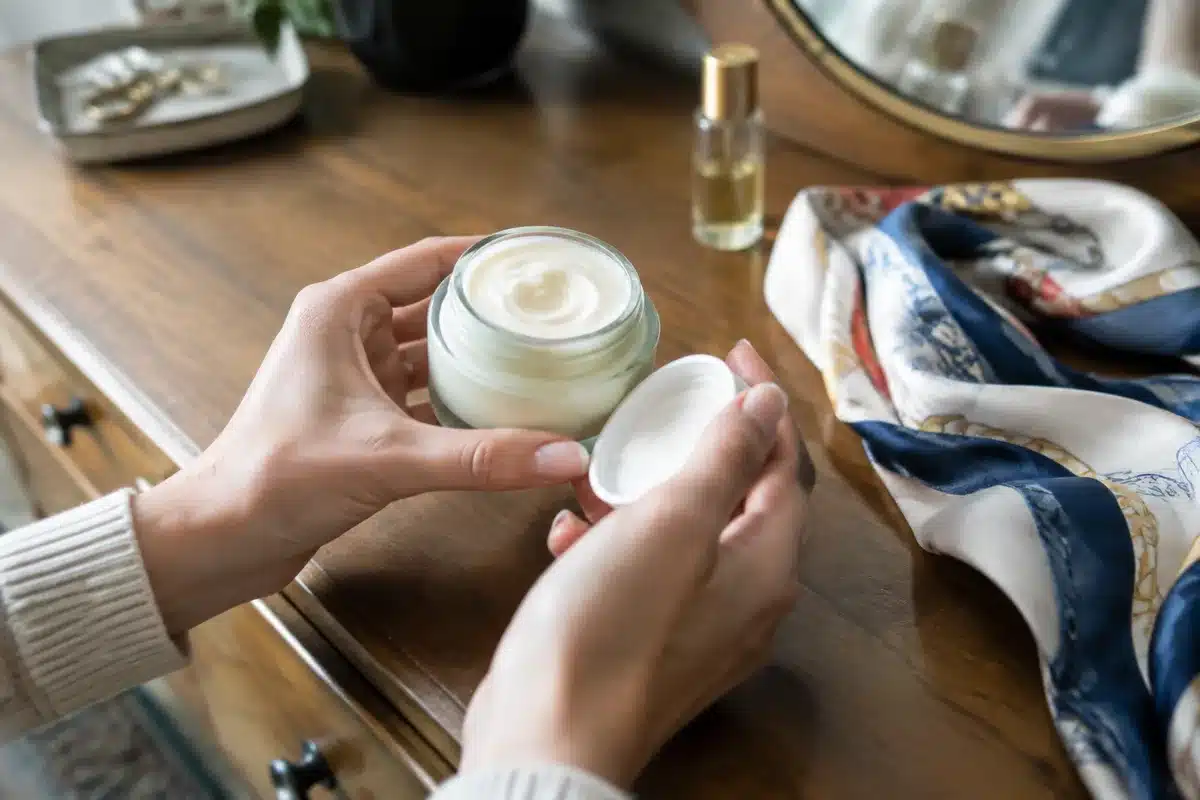
Learn how to pick an anti-wrinkle cream after age 70 to hydrate, nourish, and firm mature skin.
NASA issues chilling warning: life on Earth won’t be possible after this date
This bizarre French customer habit is driving shop owners crazy
The right texture
After menopause, your skin’s processes slow down. Collagen and elastin production drops, sebum output decreases, and the stores of hyaluronic acid shrink. The result is skin that becomes less supple, less elastic, and more fragile. Mature skin is often dehydrated—sometimes dry or combination, but rarely oily—and above all it needs comfort. The best choice is a nourishing texture rich in hydrating and regenerating ingredients that fortify the skin barrier and help maintain suppleness.
Key active ingredients
Hyaluronic acid to restore volume
In your 70s, wrinkles deepen due to tissue laxity and reduced elasticity. That makes day and night creams containing hyaluronic acid a smart pick to “plump” the skin. In fact, hyaluronic acid is now found in many formulations, as dermatologist Dr. Laurence Netter notes.

This ingredient is a star in skincare because of its exceptional ability to retain moisture. Naturally present in the body, it becomes scarcer with time—studies estimate roughly a 6% decline every ten years—so replacing it topically is important. There are different forms: high–molecular-weight hyaluronic acid hydrates the skin’s surface, while low–molecular-weight forms penetrate deeper layers. Ideally, choose a product that combines both types for a dual protective and restorative effect, the dermatologist advises.
Retinol to repair and renew
Another cornerstone for mature-skin formulas is retinol, which stimulates dermal fibroblasts responsible for producing collagen and elastin, the structural proteins of the dermis. Retinol is often better tolerated in your 70s than it might have been at 40 or 50. It can be applied as a serum and followed by a rich, nourishing cream—keeping in mind that it may cause mild irritation depending on skin sensitivity, explains Dr. Netter.
Antioxidants to defend
As skin ages it becomes more vulnerable to external stressors, so antioxidants remain essential to neutralize free radicals that accelerate aging. Vitamin C is especially valuable: it protects, supports collagen synthesis, and brightens the complexion. Other helpful antioxidants include vitamin E, niacinamide (an active form of vitamin B3), and folic acid (vitamin B9).
How to apply it
For best absorption, always apply your anti-wrinkle cream to thoroughly cleansed skin, taking time to massage the product in—preferably using smoothing motions from the center of the face outward.
That said, it can be worth mixing up your routine and trying new techniques. Very popular at the moment, the jade roller and the Gua Sha tool are excellent allies for mature skin. Drawn from Asian beauty rituals, these easy-to-use tools complement each other: the jade roller boosts circulation and helps stimulate cellular activity, while the Gua Sha works deeper to tone tissues and create a lifting effect using traditional scraping movements. Want to give them a try?
Thanks to Dr. Laurence Netter
Similar Posts
- Ultimate Anti-Wrinkle Product for Over 50s You’ve Been Missing!
- Experts Warn: This Common Habit After 60 Accelerates Aging!
- Former Pharmacy Advisor Reveals the One Anti-Wrinkle Treatment She Swears By!
- French Anti-Wrinkle Serum Outperforms All Others, Says 60 Million Consumers
- Grape Seed Peptides: Why They’re Better Than Retinol for Wrinkles — Perfect for Sensitive Skin

Ellis McDowell is a trend analyst with a sharp eye for spotting the next big thing in entertainment. With years of experience in digital media and trend forecasting, Nora tracks the movements of influencers, viral content, and entertainment trends. Her insights help shape the stories that captivate our audience.