Have you gotten into the habit of having soup for dinner to shed a few pounds? If that light meal seems like the perfect way to keep your figure, a common mistake in how it’s put together could actually undermine your goals. And it’s more widespread than you might expect.
NASA issues chilling warning: life on Earth won’t be possible after this date
This bizarre French customer habit is driving shop owners crazy
When people want to lose some weight, soup often becomes the go-to evening meal. Warm, comforting, and generally low in calories, it checks a lot of boxes for anyone trying to slim down without giving up the pleasure of a satisfying dinner. Still, beneath its airy appearance lies a pitfall many fall into without noticing. While soup can be a helpful ally for weight loss, its benefits depend entirely on how you make it. A choice that seems reasonable at first glance can actually backfire.
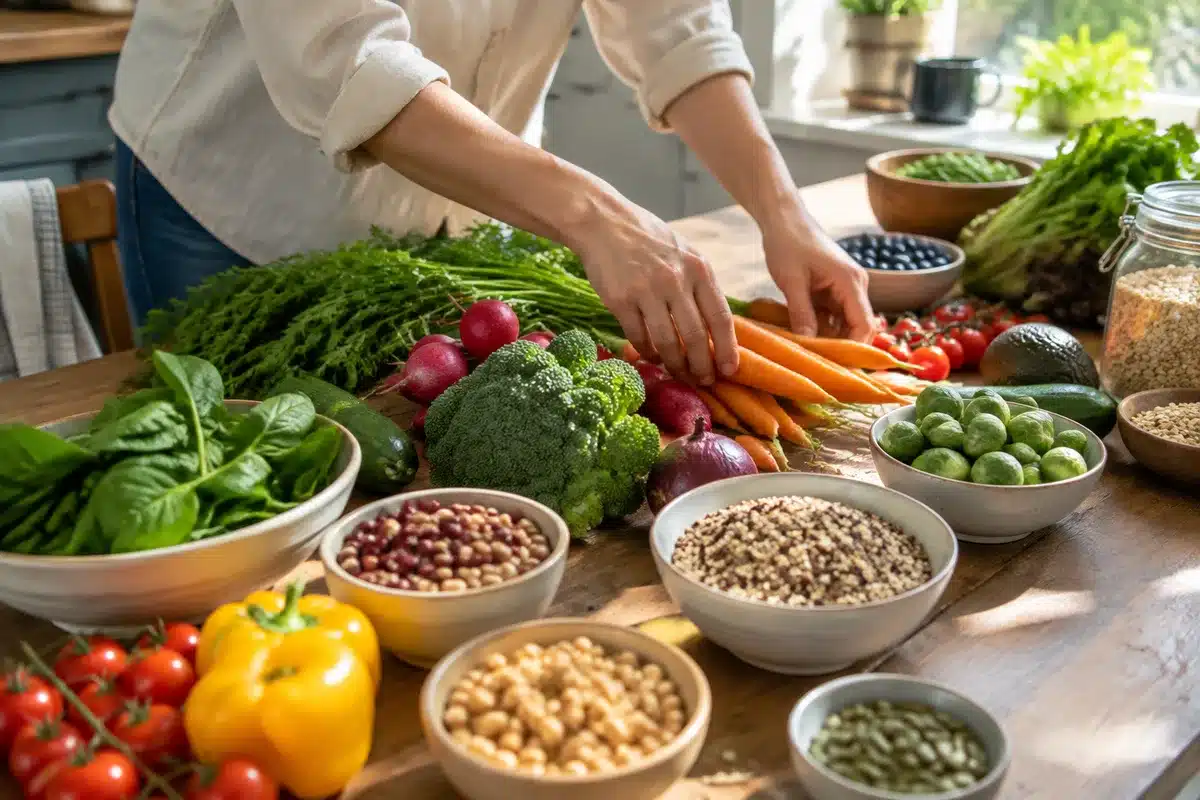
With its high water content and abundance of vegetables, soup naturally appeals to those watching their waistlines. Zucchini, leeks, carrots, pumpkin—these ingredients bring vitamins, minerals and fiber while staying relatively low in calories. Another plus: soup fills a lot of stomach volume, which can create a quick sense of fullness during the meal. But that feeling can be misleading. Have you ever finished a bowl of soup feeling satisfied, only to find yourself nibbling or feeling hungry an hour or two later?
That response makes sense. Despite their bulk, some soups don’t supply the nutrients needed to curb hunger over the longer term. And that’s the issue.
The common misstep is making a soup out of just vegetables and water, leaving out a real protein source. In the effort to keep dinner as low-calorie as possible, you might end up with a meal that’s simply too insubstantial to keep you satisfied. Protein is key to lasting fullness and also helps preserve muscle mass—an important consideration when you’re trying to lose weight. As a result, a soup that’s nutritionally skimpy can trigger evening cravings and make you reach for cookies, cheese, or other snacky foods.
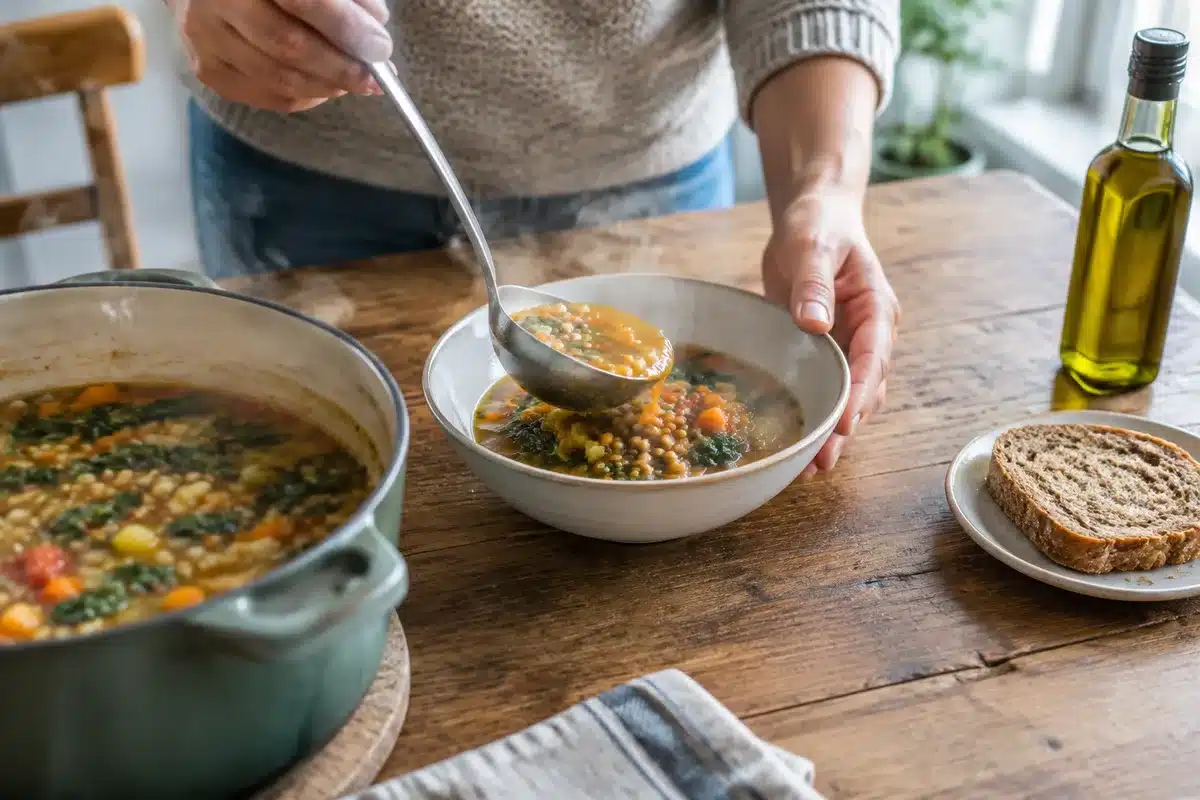
Fortunately, it takes only a few tweaks to turn your broth into a more complete dinner. Red lentils are a particularly smart addition: high in fiber and plant-based protein, they blend nicely with carrots or pumpkin. You could also stir in chickpeas, white beans, tofu, or some shredded chicken. A hard-boiled or poached egg served alongside works well, too. Depending on your hunger level, a modest portion of starch—like a small scoop of rice or a slice of whole-grain bread—and a drizzle of olive oil can round out the meal.
So the trick isn’t to make the lowest-calorie soup possible, but to prepare one that actually keeps you full. For sustainable weight loss, it’s better to focus on balanced dinners than to rely on overly restrictive evening meals.
Similar Posts
- Cabbage Soup Diet: Fat-Burning Miracle or Just a Fad? Find Out!
- Lose Weight After 60: This Summer Fruit Curbs Cravings Longer Than You Think!
- Ultimate Vegetable Soup Recipe – Healthy & Delicious!
- This Raw Vegetable Burns Belly Fat in No Time, According to Dieticians
- Eating Habits to Avoid If You Want to Lose Weight, Experts Say

Ellis McDowell is a trend analyst with a sharp eye for spotting the next big thing in entertainment. With years of experience in digital media and trend forecasting, Nora tracks the movements of influencers, viral content, and entertainment trends. Her insights help shape the stories that captivate our audience.