
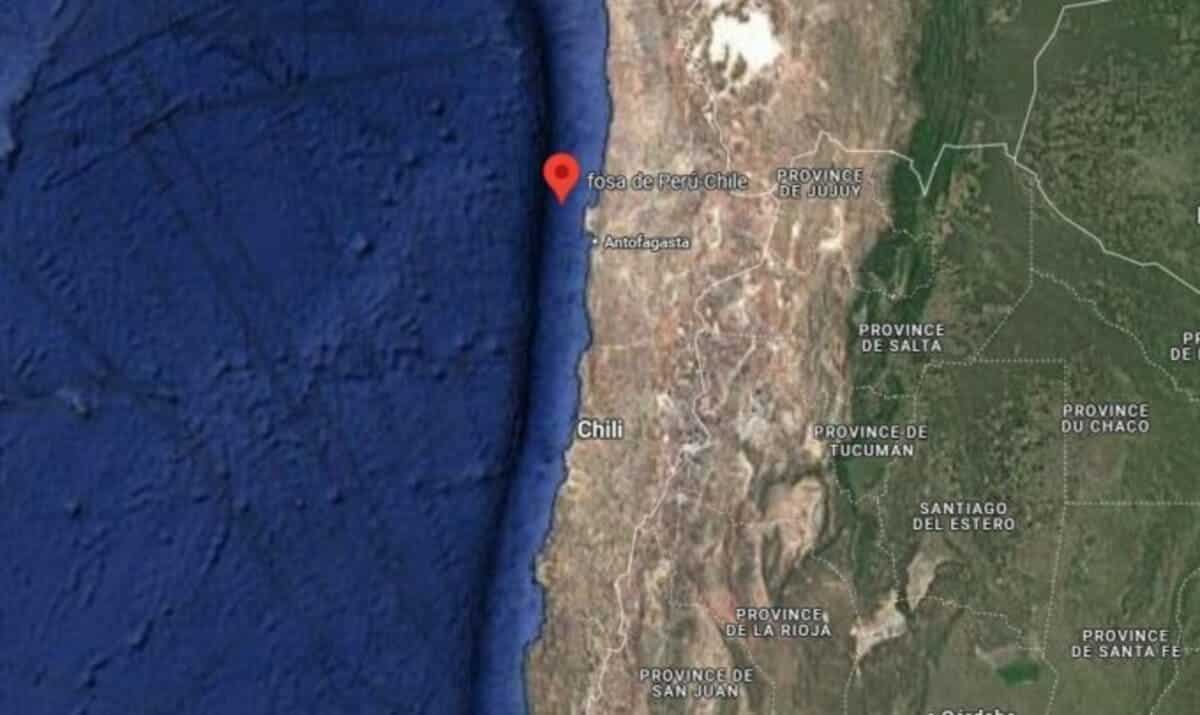
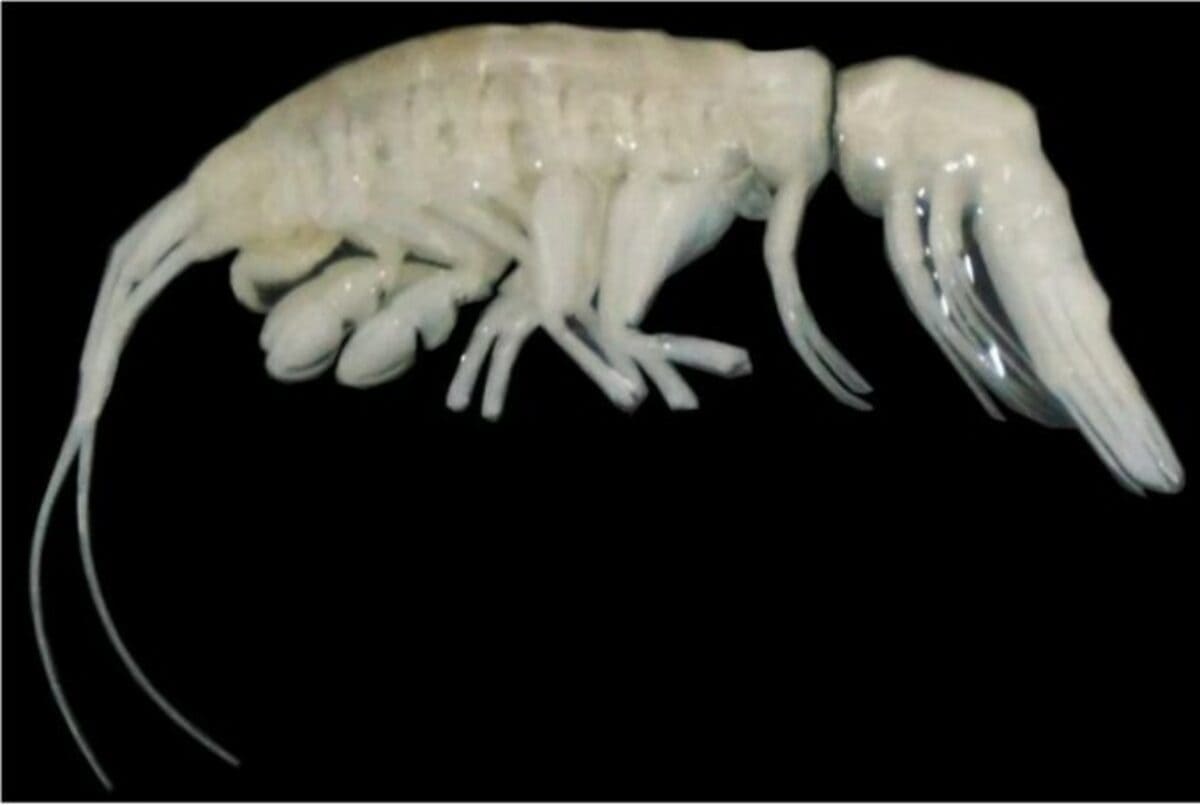
The depths of the ocean never cease to amaze, and this latest discovery is no exception. Deep beneath the surface, in the hadal zones (those extreme parts of the ocean that are found between 6 and 11 kilometers below the surface), researchers have uncovered a brand-new predator—a creature previously unknown to science. This predatory amphipod, Dulcibella camanchaca, was discovered in the Atacama Trench, off the coast of Chile and Peru. But don’t worry—it’s not quite as menacing as it sounds. Despite its fearsome behavior, this creature is, in fact, a shrimp-like critter.
He thought he was rescuing a sheep—but it turned out to be something else
This bizarre French customer habit is driving shop owners crazy
But this isn’t just any shrimp. Dulcibella camanchaca is a specialized hunter, perfectly adapted to thrive in one of the most extreme environments on Earth. Here’s what makes this new predator so fascinating.
A Fearsome Miniature Hunter in the Deep
Despite measuring only about 4 centimeters in length, Dulcibella camanchaca is a formidable predator. With specialized appendages, similar to the claws of fleas, it actively hunts other small amphipods in the utter darkness of the ocean floor. It’s hard to imagine anything thriving in such a bleak environment, yet this tiny creature has evolved perfectly for the challenge.
Johanna Weston, a co-director of the study from the Woods Hole Oceanographic Institution (WHOI), explains the significance of its name. “We named it after the word for ‘darkness’ in Andean languages,” she says, referring to the creature’s natural habitat, which is enveloped in near-total darkness. This predatory shrimp is not only a predator but also a remarkable swimmer, adapted for high-speed hunting in the deep, dark waters.
During an expedition in 2023 called IDOOS (Integrated Deep-Ocean Observing System), four specimens of this new species were captured. The research team from the Instituto Milenio de Oceanografía in Chile conducted an array of morphological and genetic analyses to confirm the species as both new and belonging to an entirely new genus—a category broader than a species but still a major taxonomic distinction.
What Makes This Discovery So Important ?
This discovery is significant not just because it’s a new species, but because it’s an entirely new genus. In the biological world, a genus is a step above a species and often groups multiple closely related species. For instance, lions, tigers, and leopards all belong to the genus Panthera. By discovering a new genus, scientists are essentially uncovering an entirely new branch of life on the evolutionary tree. In this case, Dulcibella camanchaca represents a completely new lineage in the deep-sea ecosystem.
For those unfamiliar with taxonomy, the importance of this discovery is clear. Every time a new genus is discovered, it opens up the possibility that more creatures—potentially radically different from anything we know—are still lurking in the ocean’s depths. It’s like opening a new chapter in a book we thought we had already read.
As Carolina González, co-director of the study, points out, this discovery highlights the need for continued research in places like the Atacama Trench. “The hadal zones are far from being a barren wasteland,” González says. “In fact, they’re teeming with a unique biodiversity that we’re just beginning to understand.”
Why We Should Care About the Hadal Zones ?
The discovery of Dulcibella camanchaca underscores the importance of protecting our oceans—especially the deep-sea ecosystems. These ecosystems may seem remote and distant from human activity, but they are far from untouched. The biodiversity in these regions is still largely unexplored, and each new finding suggests that there are many more species out there waiting to be discovered.
The hadal zones—characterized by extreme depths and pressure—are home to creatures that have adapted in ways unimaginable to those of us living at the ocean’s surface. As our understanding of these unique environments grows, so too does our responsibility to safeguard them from the threats of human activity, including deep-sea mining, pollution, and climate change.
The Unseen World of the Ocean’s Depths
So, what can we learn from Dulcibella camanchaca and its discovery? For one, it’s a reminder of how much of our planet remains unknown. Even in the most inhospitable environments, life finds a way to thrive in surprising ways. For the scientists involved in the discovery, it’s a call to keep pushing the boundaries of exploration, even in the darkest, most remote corners of the world.
The creatures that inhabit these depths are not just curiosities; they play a vital role in the health of our oceans and can offer insights into biological processes that might someday benefit us in ways we can’t yet predict. So the next time you hear about a new deep-sea discovery, remember: we’ve only just begun to scratch the surface of what the ocean’s depths have to offer.
In the case of Dulcibella camanchaca, we’ve learned that sometimes, the smallest creatures can hold the biggest surprises—both in terms of their remarkable adaptations and their potential for expanding our understanding of life on Earth.
Similar Posts
- Scientists Discover a Massive Ocean 700km Below Earth’s Surface
- Scientists left speechless : underwater volcano releases over a million giant eggs in sudden eruption
- Mysterious Venomous Creature With 24 Eyes Found at the Bottom of a Hong Kong Pond
- 48 light-years away, the first true ocean planet finally confirmed by new discovery
- Discovery of a giant snake sparks questions: could it be the biggest ever?

Felix Marlowe manages Belles and Gals’ vibrant social media platforms. With expertise in social engagement and viral marketing, Felix creates content that sparks conversation and keeps followers coming back for more. From celebrity news to trending challenges, Felix makes sure our social media stays at the forefront of pop culture.


