
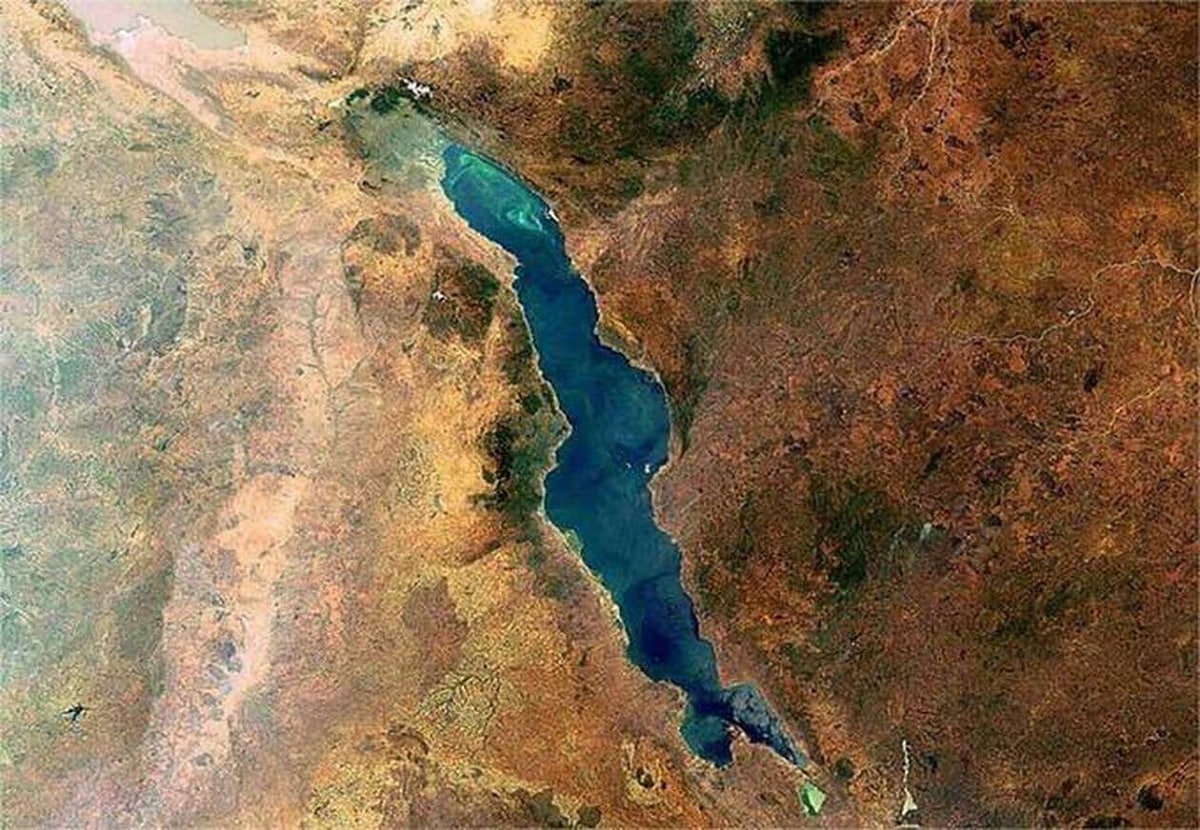
A remarkable geological transformation is unfolding in East Africa, where a growing rift is paving the way for the birth of a new ocean. Once thought to be millions of years in the making, new scientific findings suggest this dramatic shift could happen much sooner than anticipated.
He thought he was rescuing a sheep—but it turned out to be something else
This bizarre French customer habit is driving shop owners crazy
The Rift That’s Reshaping Africa
In the scorching Afar region of Ethiopia, where temperatures often soar to 50°C and rain is a rare visitor, the Earth is undergoing a profound change. This remote area, situated at the junction of three major tectonic plates, is where the African continent is literally splitting apart.
The plates in question—the Nubian, Somalian, and Arabian plates—are gradually drifting apart, creating a massive fissure in the Earth’s crust. According to the Centre National de la Recherche Scientifique (CNRS), this process has been underway for 25 million years.
However, a violent event in 2005 accelerated this geological drama. A series of 420 earthquakes triggered a 60-kilometer-long rift in just a few days—a process that typically takes hundreds of years. This rupture, which is now 10 meters deep, continues to widen at an increasing rate.
The Birth of a New Ocean
According to Cynthia Ebinger, a geophysicist at Tulane University, this rift will eventually give rise to a vast body of water. “Think of it as an extension of the Red Sea,” she explained.
While the Arabian plate is moving away from Africa at a rate of 2.5 centimeters per year, the Nubian and Somalian plates are drifting at slower rates of about half a centimeter annually. These shifts will ultimately carve the continent into two separate landmasses, connected by a saltwater ocean fed by the Red Sea and the Gulf of Aden.
Sooner Than Expected
Previously, scientists estimated that this transformation would take millions of years. However, recent studies published in the journal Tectonophysics suggest a much faster timeline. Using 3D geological models, researchers, including Ebinger, now predict that the new ocean could form within less than a million years—perhaps even half that time.
“Large earthquakes or significant volcanic eruptions could further accelerate the process,” Ebinger noted.
A Unique Geological Window
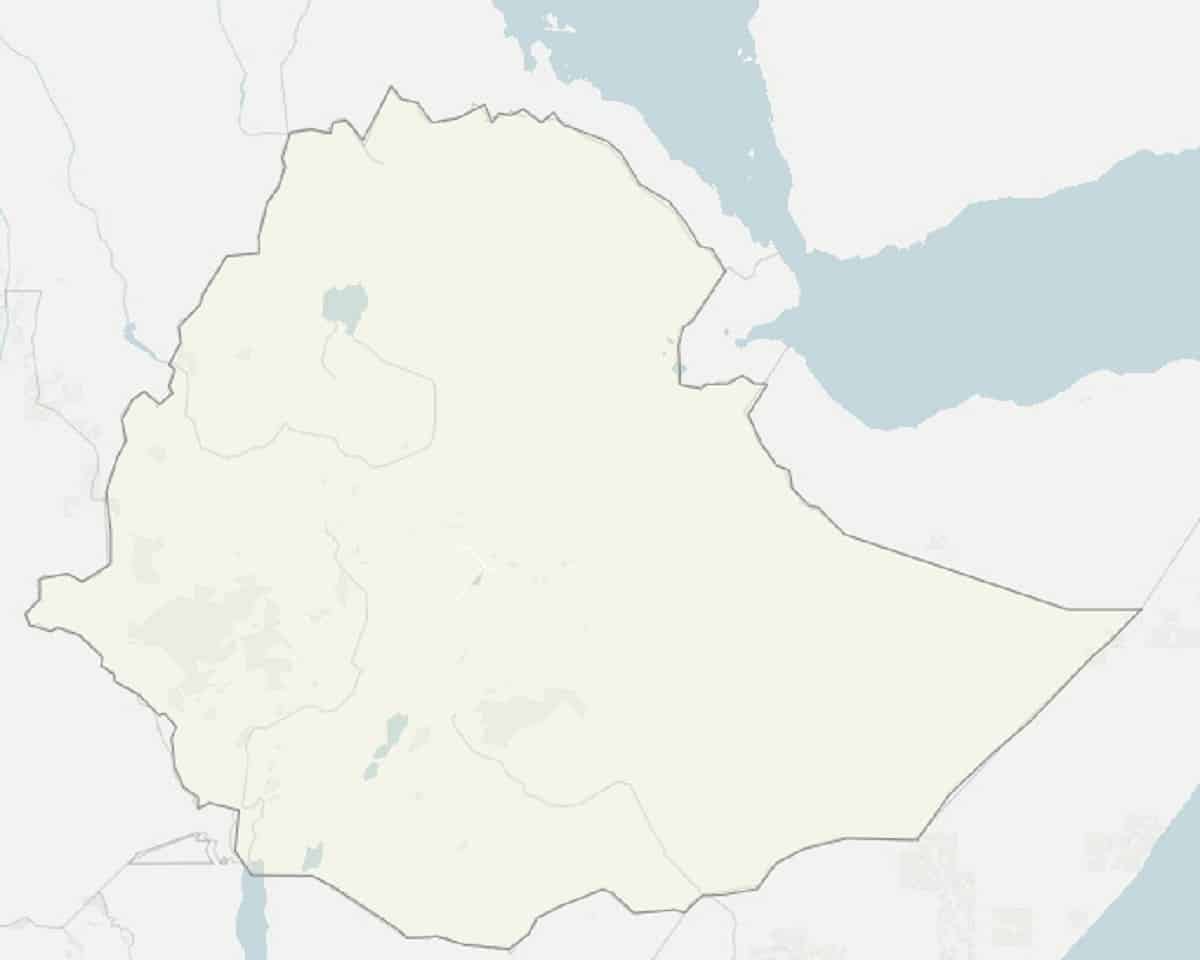
This region offers a rare glimpse into the process of continental breakup and the formation of new oceanic crust. “It’s the only place on Earth where you can see this happening,” said Christopher Moore, a researcher at the University of Leeds.
As the rift continues to expand, it serves as a living laboratory for scientists, helping them understand the forces that shape our planet.
The Future of Africa’s Landscape
In the distant future, Africa will be split into two distinct landmasses: one encompassing most of the continent, and the other consisting of parts of East Africa, including Ethiopia, Somalia, and portions of Kenya. Between them will lie an expansive ocean, altering the region’s geography forever.
While this transformation won’t occur in our lifetimes, it underscores the dynamic nature of Earth’s crust and the ongoing forces that shape our world. The creation of a new ocean in Africa is a testament to the planet’s ever-changing landscape—and a reminder of the powerful geological processes at work beneath our feet.
Similar Posts
- Scientists Discover a Massive Ocean 700km Below Earth’s Surface
- This map predicts Earth’s future in 250 million years—and France might come out lucky
- NASA Sounds the Alarm: Unknown Forces Beneath Earth Spark Global Anomaly
- Scientists left speechless : underwater volcano releases over a million giant eggs in sudden eruption
- Breathtaking video shows three orcas hunt and feast on a great white shark in South Africa

Felix Marlowe manages Belles and Gals’ vibrant social media platforms. With expertise in social engagement and viral marketing, Felix creates content that sparks conversation and keeps followers coming back for more. From celebrity news to trending challenges, Felix makes sure our social media stays at the forefront of pop culture.


