He thought he was rescuing a sheep—but it turned out to be something else
This bizarre French customer habit is driving shop owners crazy
At the supermarket or local farmer’s market, find yourself some deliciously fragrant melons!
When you visit the market, you suddenly become a connoisseur of scents. Moving from stall to stall, you spend several minutes sniffing each melon, under the watchful, sometimes amused, sometimes impatient eyes of the vendors. With the seriousness of selecting a new fragrance at a boutique, you compare the aromas until you find your perfect melon. After a good fifteen minutes, you finally pay, eagerly anticipating the taste. On your way home, however, you wonder about the vendors’ smirking smiles. Perhaps they found it amusing that you took so much time to pick just one melon? Or worse: they might have noticed that the melon you chose wasn’t even ripe yet!
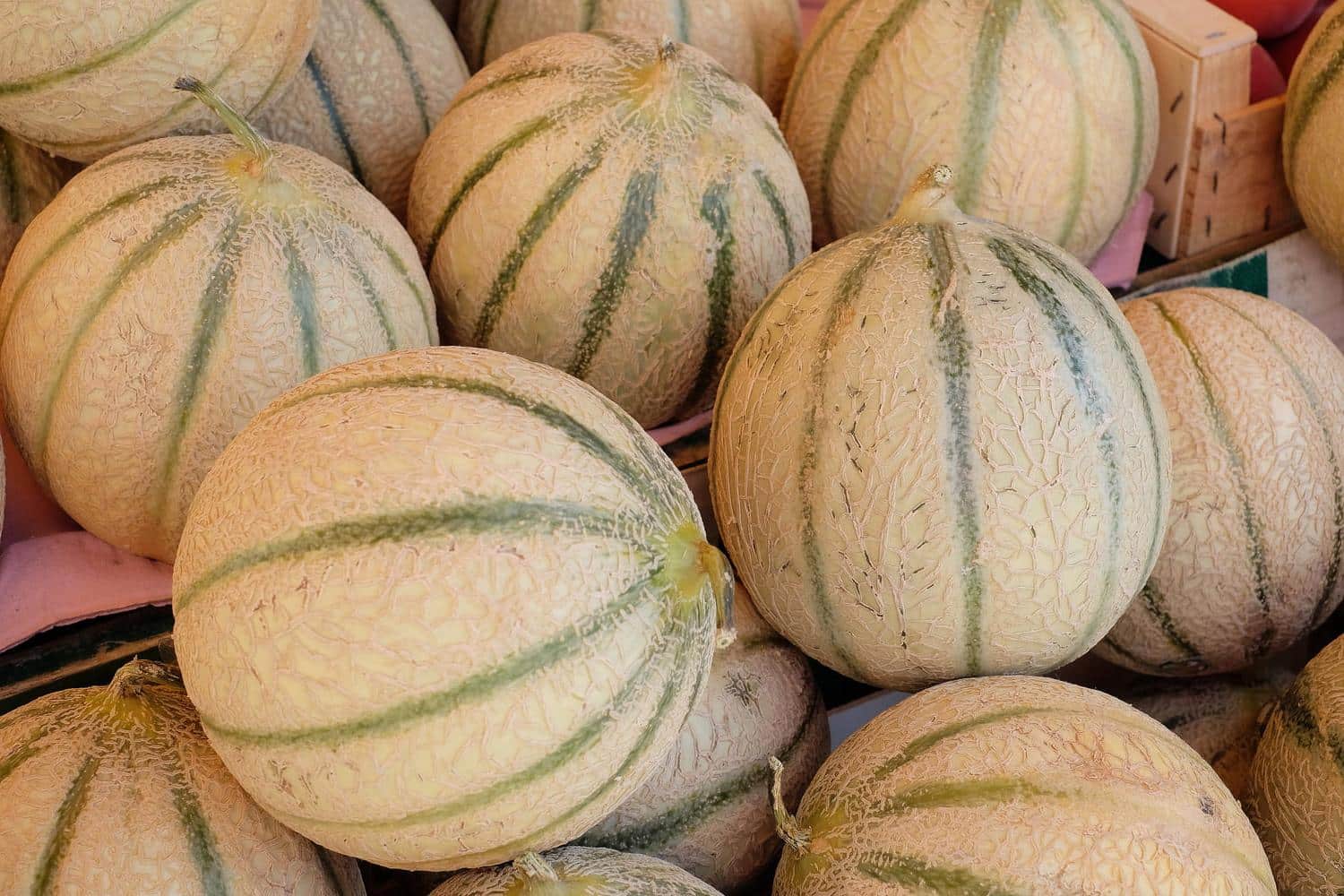
In reality, the fruit vendors don’t bother sniffing each melon to determine its ripeness. They use a more straightforward method. Steven, known as @prendsunfruit on Instagram, points this out in a video: “there’s absolutely no need to smell the melons one by one to find a good one”. According to this young botanical enthusiast, a melon’s maturity isn’t best judged by its smell. He suggests relying on touch instead. To do this, apply gentle pressure to the melon’s blossom end, the part opposite the stem. “If your finger sinks in slightly, you can be sure you’ve got a perfectly ripe melon,” he asserts.
But for Steven, visual inspection is the best way to choose correctly. The number one indicator? The stem (the little tail of the fruit). “When the melon is immature, the stem is upright and fresh,” explains Steven. “As the melon ripens, the stiff fibers break down, causing the stem to bend and then dry out,” he continues. “Eventually, it cracks because it’s the most fragile part of the melon. That’s a sign of good maturity.” Remember these three signs: the stem should be bent, dry, and cracked.
Another clue is the fruit’s stripes, which lighten as the melon ripens. “The darker the stripes on a melon, the less mature it is,” Steven notes.
So, if you really want to smell the melons like an expert, you certainly can. But a quick check of the stem and the fruit’s stripes will ensure a successful appetizer or dessert. It’s worth learning a bit of botany!
Similar Posts
- Fresh Melon Pasta with Parma Ham and Basil: A Must-Try Recipe!
- Discover the Size of Your Baby: Amazing Fruit Comparisons in Photos!
- Easy Melon and Feta Salad Recipe: Quick, Refreshing, Must-Try!
- Melon Ice Cream Made Easy: With or Without an Ice Cream Maker!
- Discover the Secret to Picking the Sweetest Apricots—It’s Not the Color!

Felix Marlowe manages Belles and Gals’ vibrant social media platforms. With expertise in social engagement and viral marketing, Felix creates content that sparks conversation and keeps followers coming back for more. From celebrity news to trending challenges, Felix makes sure our social media stays at the forefront of pop culture.