

When I first bought my Tesla Model Y, I was excited about the promises of lower costs, more convenience, and a smaller carbon footprint. After spending a full year and driving 30,000 kilometers across various conditions, I’ve had the chance to see how those promises actually stack up against reality. The results? They’re a bit more complex than Tesla’s confident claims, but still pretty impressive.
He thought he was rescuing a sheep—but it turned out to be something else
This bizarre French customer habit is driving shop owners crazy
A Year in a Tesla Model Y: The Basics
The Tesla Model Y Rear-Wheel Drive has quickly become one of the most popular electric vehicles (EVs) in Europe—and for good reason. It’s practical, relatively affordable for a Tesla, and in 2023, it was the top-selling car across all categories, not just EVs. With government incentives like eco-bonuses, it’s an attractive choice for families and first-time EV buyers alike.
Over the course of 12 months, my Model Y faced everything from blazing summer heat to icy winter roads. Tesla officially rates the Model Y’s energy consumption at 15.7 kWh per 100 kilometers, but my real-world driving—especially on highways—told a slightly different story.

Charging at Home: The Electric Advantage
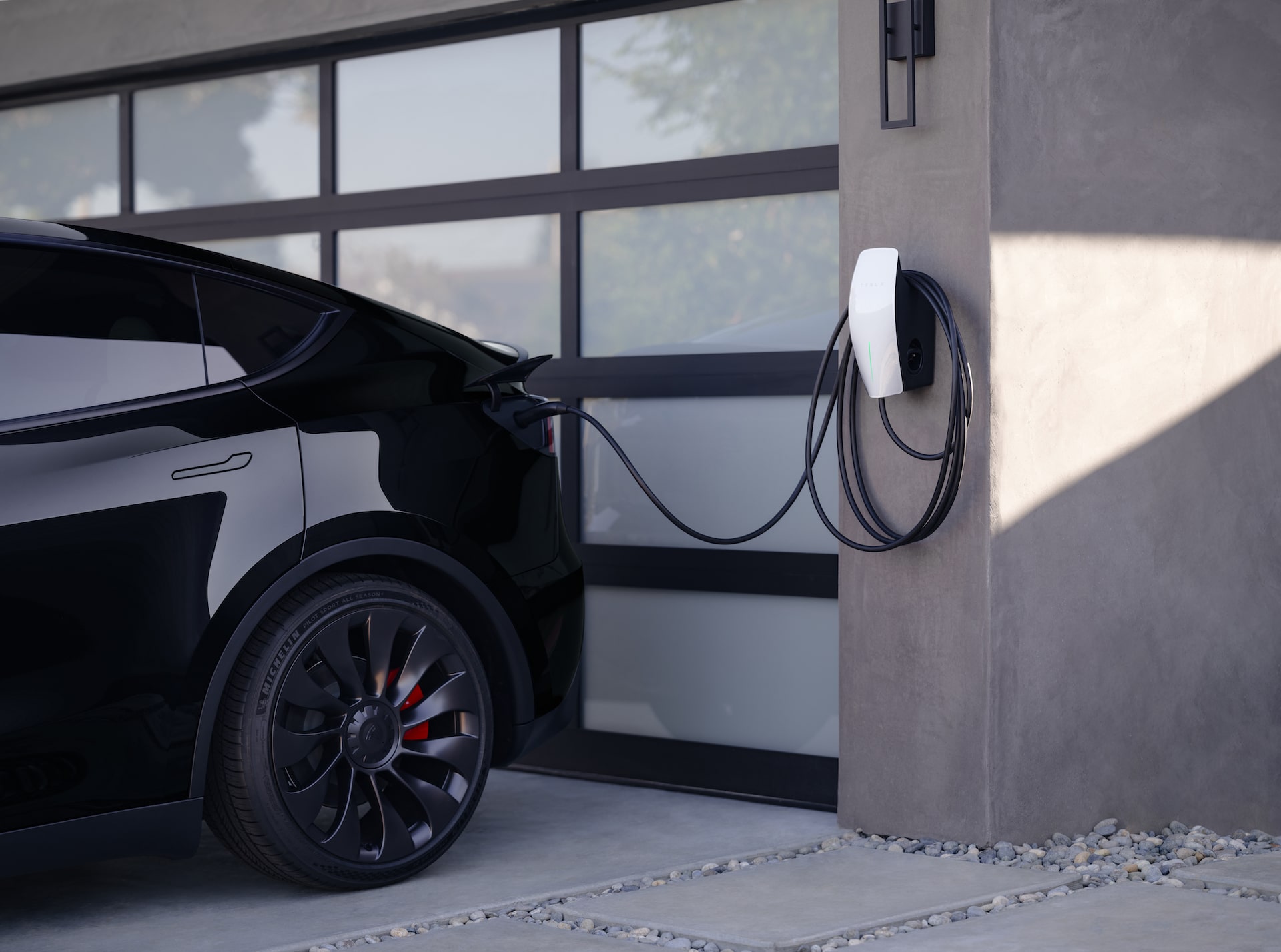
One of the biggest perks of owning an EV is the ability to charge at home. It’s not only incredibly convenient, but it’s also significantly cheaper than using public charging stations. With my electricity plan, my home charging costs averaged around €0.11 per kWh, meaning I could drive 100 kilometers for less than €2. For comparison, a gas car would cost at least €10 for the same distance, given current fuel prices of around €1.80 per liter.
While home charging isn’t essential—especially with the growing availability of public charging stations—the financial and time-saving benefits are hard to ignore. It makes a huge difference if you have the ability to charge at home.

On the Road: Public Charging Costs
When you’re out on the road, though, public charging can get a bit pricier. Tesla’s Supercharger network is one of the most reliable and widely available options, with prices averaging €0.30–€0.35 per kWh in France. This is still much cheaper than competing networks like Ionity, which charges up to €0.60 per kWh, but it’s still more expensive than charging at home.
For long road trips, it’s worth noting that some Superchargers are off the highway, requiring small detours. While this doesn’t cause much hassle in the grand scheme of things, it’s something to consider if you travel long distances regularly.
Total Costs: Breaking Down 30,000 Kilometers
Over the year, I consumed approximately 6,000 kWh of electricity, averaging 20 kWh per 100 kilometers—this was higher than Tesla’s official numbers but more in line with my real-world, highway-heavy driving. About half of that energy came from home charging, with the rest coming from Superchargers and other public options.
Here’s how the costs broke down:
-
Home Charging: €0.15 per kWh on average
-
Public Charging: €0.40 per kWh on average
This brought my total charging costs to roughly €1,650 for the entire year or about €5.50 per 100 kilometers. For comparison, a gas car with a fuel efficiency of 3 liters per 100 kilometers would cost around €11 for the same distance. Over 30,000 kilometers, the gas car would have cost me €3,300 in fuel alone, meaning the Tesla saved me around €1,650 in just one year.
Comparing to Gas Cars: The Numbers Don’t Lie
Let’s compare the Tesla Model Y to a popular gas-powered SUV, like the Peugeot 3008. The gas version of this car consumes about 6.1 liters per 100 kilometers, costing around €11 per 100 kilometers at current fuel prices. Over 30,000 kilometers, the Peugeot would cost about €3,300 just for fuel. Meanwhile, the Tesla’s total charging cost came to about €1,650—that’s a solid saving of €1,650 in a year.
While the Model Y does come with a higher upfront cost (€37,990 after incentives vs. €33,560 for the Peugeot 3008), the savings on fuel quickly begin to close that gap. Based on my driving patterns, I’d break even on the cost difference after about 80,000 kilometers—roughly three years at 30,000 kilometers per year.
Long-Term Value: Maintenance and Beyond
Beyond fuel savings, the Tesla has some other financial advantages. It requires minimal maintenance—there are no oil changes, fewer moving parts, and no mandatory service intervals to maintain the warranty. Over several years, this adds up to significant savings compared to a gas car, which requires more frequent and expensive maintenance as it ages.
The Downsides: Real-World Challenges
Despite all the benefits, the Model Y isn’t perfect. Real-world energy consumption, especially during highway driving, is higher than Tesla’s official figures. Free charging options are becoming increasingly rare, and while public charging networks are improving, they can still be inconvenient on certain routes. Plus, while Tesla’s ecosystem is convenient, it does lock you into their specific network of services, which can limit flexibility in some areas.
Final Thoughts: Is It Worth It?
After driving the Tesla Model Y for 30,000 kilometers over the course of a year, I can confidently say that it’s a cost-effective and enjoyable vehicle for high-mileage drivers. If you have access to home charging and use Tesla’s Supercharger network, the financial and environmental benefits of switching to electric are undeniable.
That said, the decision to go electric depends on your specific driving habits, charging access, and long-term plans. For me, the Model Y has definitely delivered, offering a more economical and convenient driving experience than any gas car I’ve owned. As EV technology continues to improve, the case for making the switch only grows stronger.
Similar Posts
- I Drove a Tesla Model Y for a Year and 30,000 Kilometers—Here’s How Much It Cost Compared to Gas Cars
- I drove a Tesla Model Y for a year and 30,000 kilometers—here’s how the costs compare to gas cars
- After driving a Tesla Model Y for a year and 30,000 kilometers, here’s how the costs compare to a gas car
- One year, 30,000 km in a Tesla Model Y—how the costs really stack up
- 2,500 km EV Road Trip Proves Diesel Still Rules the Road

Felix Marlowe manages Belles and Gals’ vibrant social media platforms. With expertise in social engagement and viral marketing, Felix creates content that sparks conversation and keeps followers coming back for more. From celebrity news to trending challenges, Felix makes sure our social media stays at the forefront of pop culture.


