He thought he was rescuing a sheep—but it turned out to be something else
This bizarre French customer habit is driving shop owners crazy
Think you know everything about the 80/20 rule? Perhaps not this lesser-known variant that ensures cakes are exceptionally tender…
Keeping up with the latest nutritional trends, you’ve likely encountered the 80/20 rule. This guideline suggests eating healthily 80% of the time while indulging for the remaining 20% to curb the binging and frustration that often accompany a too-strict diet. However, that’s not the topic of our discussion today. Nor are we delving into Pareto’s Principle, a concept well-versed among economists and business leaders, which states that 80% of outcomes stem from 20% of causes.
Here, our focus leans more towards solving everyday kitchen dilemmas than acting as dietitians or managers. In the culinary world, too, we sometimes apply a certain 80/20 rule. Albeit a bit adapted, it remains incredibly useful, especially if you’re fond of baking… cakes.
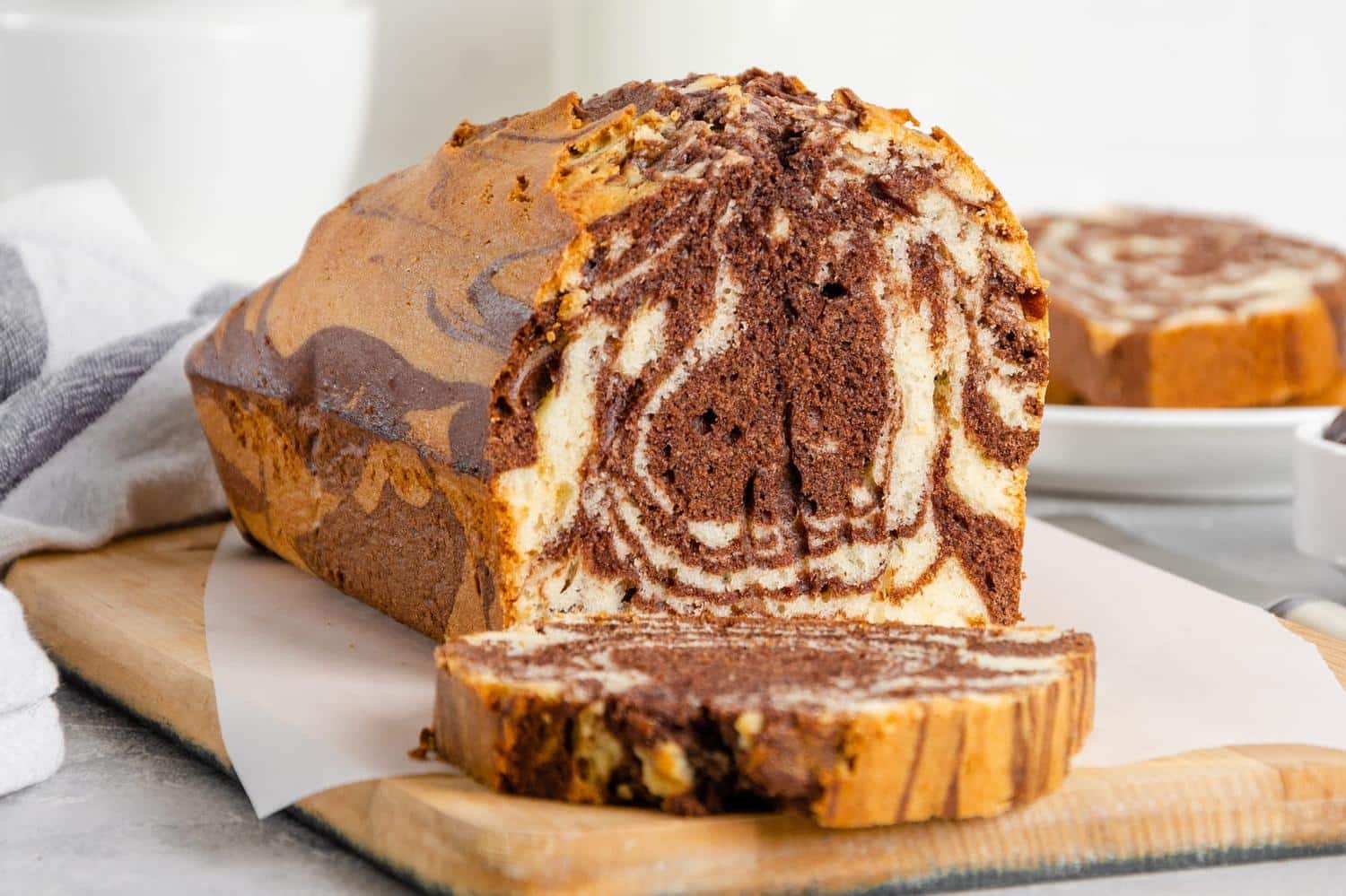
Whether it’s a chocolate marble, lemon-flavored, or chock-full of candied fruits, served in thick slices or nibbled in mini-sized portions, this rustic, portable dessert seems deceptively simple to make. So why then does it often lead to profound disappointment upon tasting? Even with a beautifully rounded top and an evenly browned crust, one can’t help but lament its crumbly texture and dryness, lacking the much-desired moistness.
Could the issue lie in the choice of ingredients, specifically the type of fat used? If you scour through various cake recipes, you’ll notice a clear divide between oil advocates and butter enthusiasts. However, the truth might actually lie somewhere in between. This brings us to our specialized version of the 80/20 rule: for a consistently moist cake, the secret is to use 80% oil and 20% melted butter. Yes, melted—not creamed—which can make the cake harder (especially if stored in the refrigerator).
It’s worth noting that this “ideal” theoretical ratio doesn’t always consider flavor balance. For instance, if you want to enhance your mix-ins or flavors, the more neutral oil generally does a better job. Conversely, for a plain cake, consider going half-and-half: you’ll appreciate the rich buttery taste much more…
Similar Posts
- Secret Ingredient Swap: Make Your Chocolate Cakes Healthier, No One Can Tell!
- Taylor Swift’s Favorite Cake Scent in New Bath & Body Works Collab!
- Indulge Guilt-Free: This Fluffy Chocolate Cake Has ZERO Fat – Quick Recipe Inside!
- Master Chocolate Marbling with Ducasse School’s Secret Recipe!
- Fluffier Than Yogurt Cake: Try This Quick Sponge Cake Recipe!

Felix Marlowe manages Belles and Gals’ vibrant social media platforms. With expertise in social engagement and viral marketing, Felix creates content that sparks conversation and keeps followers coming back for more. From celebrity news to trending challenges, Felix makes sure our social media stays at the forefront of pop culture.