
No Dark Circles, No Blue Eyes: What Your Iris Color Really Reveals About You
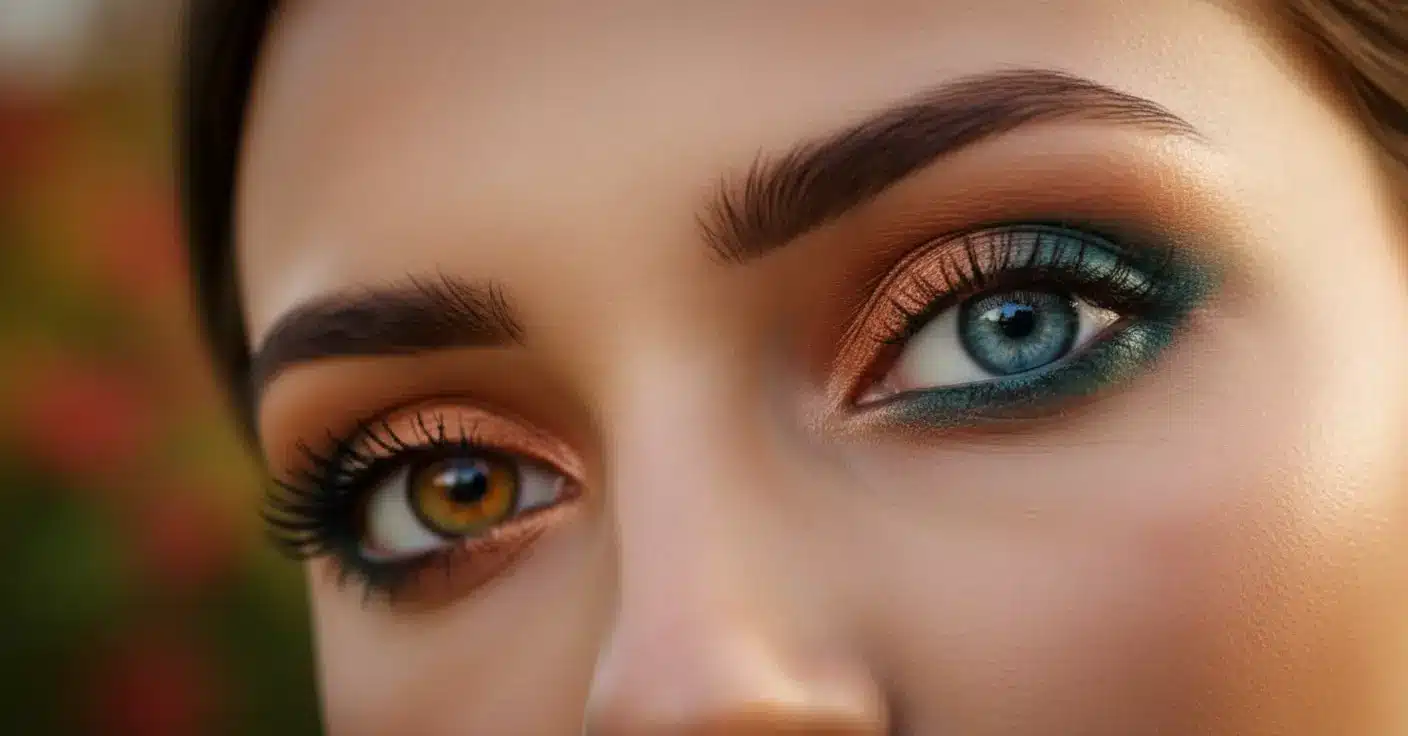
If Cicero said that the face is the mirror of the soul, but the eyes are its interpreters, modern science seems eager to prove him right. Thanks to some diligent Swedes armed with a keen eye—quite literally—there’s now scientific support for the idea that eye color might just say more about you than you ever suspected. So grab a mirror and brace yourself for an intense stare-down… with yourself.
He thought he was rescuing a sheep—but it turned out to be something else
This bizarre French customer habit is driving shop owners crazy
The Science Behind a Stare: Where Genetics and Personality Meet
Back in the last century, psychology pioneer Raymond Cattell, a forerunner of the fluid intelligence concept, suggested that personality could be read in the eyes. Beyond the well-known field of pupillometry (which focuses on pupil size), Cattell and others believed that iris color could be revealing of a person’s character. Admittedly, these ideas haven’t exactly reached universal agreement—psychologists still debate just how much can be gleaned from peering into someone’s gaze.
But curiosity (not just cats) led Mats Larsson and colleagues from Örebro University in Sweden to launch a genetic investigation. Studying 428 participants, they analyzed personality traits well-established in behavioral genetics—the famed “Big Five”: extraversion, neuroticism, agreeableness, conscientiousness, and openness to experience. While these traits are influenced in part by our genes, the researchers also examined the characteristics of the participants’ irises.
Here’s where it gets juicy: they found that a gene called Pax6 plays a role not just in iris formation, but also in the development of the anterior cingulate cortex, a brain region that is crucial for self-control and positive emotions. Who knew that your eye color and your brain’s emotional control plumbing could be linked?
What Your Iris Might (or Might Not) Say
Before you rush to analyze your neighbor’s eyes hoping to uncover their deepest secrets, let’s all take a deep breath. Genetics is just one piece of the personality pie. These findings deserve a generous sprinkle of scientific caution; while the indicators have been rigorously checked, they don’t provide crystal-clear insights into who we are at a single glance. Personal uniqueness refuses to be pinned down or generalized, and let’s be honest, that makes us all the more interesting.
- Black eyes: Those with jet-black eyes are often perceived as more intense and mysterious—fittingly, their owners tend to be more seductive than the average Jane or Joe. Specialists have found that black-eyed folks commonly display traits of agreeableness, diligence, and dynamism. And if you’re in need of a reliable confidant, look no further: their trustworthy vibe, optimism, and passion often shine through. The Swedish study found that a smooth, homogeneous dark iris often goes hand-in-hand with extraversion and confidence.
- Blue eyes: Participants with blue eyes often shared a remarkable inner strength. While on the shy side, they’re said to have higher emotional intelligence. According to the study, blue-eyed people are generally more extraverted and seen as wise and romantic dreamers. Crisis on the horizon? Call your blue-eyed friend—these temperaments are crisis management pros.
- Green eyes: If you’ve got green eyes, you might just be the calm in the storm. The Swedish research revealed that green-eyed individuals tend to be calmer, more sensitive, and even more generous by nature.
- Brown eyes: From light hazel to deep chocolate, brown-eyed people are typically calm and reflective. Loyalty, self-confidence, and respect are values that fit them like a glove.
Interestingly, very striated or patterned irises, often with many motifs and nuances, showed up more commonly in people with guarded or neurotic dispositions. The genes shaping these patterns may link to certain brain areas as well.
There’s more: darker eyes have been linked with lower pain resistance—don’t blame yourself, blame the melanin! This comes from findings where carriers of the rare Dubin-Johnson syndrome, which causes brown pigmentation in liver cells and is similar to melanin, also experience pain and fatigue. On the flip side, don’t close your eyes in defeat yet: darker eyes also come with quick reaction times and possibly, a slightly higher average intelligence. In fact, brown-eyed folks were found, in studies published in Personality and Individual Differences and Perceptual and Motor Skills, to process information faster and to have superior aim—be it throwing a frisbee or hitting a racket ball.
Melanin, Brains, and Surprising Sips
It turns out melanin, the pigment responsible for your eye color, may play a role in the efficiency of brain cell connections. A higher brain melanin level has been associated with faster cognitive processing—and might just explain why brown-eyed individuals are nimble with a frisbee. But there’s a flip side: melanin might also mean that dark-eyed people are at a higher risk for developing alcohol dependence (though light-eyed people, oddly, drink more but seem to resist addiction more easily).
Takeaway: More Than Meets the Eye
So, while the color of your irises might hint at personality traits from passion and optimism to calmness and inner strength, remember: no eye color defines you in totality. Genetics is just one brushstroke on the canvas of who you are. Appreciate the twinkle—and the uniqueness—in your gaze. And next time you look someone in the eye, remember: there might just be a lot more going on than just their last night’s sleep quality—or lack of dark circles.
Similar Posts
- Banish Dark Circles This Winter with This Natural Solution Under $3!
- Color Up Your Beauty Routine: Essential Tips to Transform Your Look!
- Study Claims People Who Think They Look Good in the Mirror Are Completely Wrong
- Switch to Light Brown Hair: Chic, Effortless Style Unlocked!
- Eye Makeup Tips: How to Rock Blue Eyeshadow!

Felix Marlowe manages Belles and Gals’ vibrant social media platforms. With expertise in social engagement and viral marketing, Felix creates content that sparks conversation and keeps followers coming back for more. From celebrity news to trending challenges, Felix makes sure our social media stays at the forefront of pop culture.


