

If you’ve got a collection of empty soda or beer cans lying around, here’s an unexpected way to repurpose them: transform them into a DIY solar radiator. This low-cost project not only helps cut down on heating expenses but also contributes to reducing your environmental footprint. Let’s break down the steps to create this innovative device.
He thought he was rescuing a sheep—but it turned out to be something else
This bizarre French customer habit is driving shop owners crazy
Why Opt for a Solar Heating System?
Switching to solar heating systems can significantly reduce energy bills while helping the planet. However, the upfront costs of professional installations can be daunting. For instance, a Direct Solar Floor (DSF) system in a 100 m² home could cost between €20,000 and €25,000, according to Ecoinfos Renewable Energy estimates. Fortunately, there’s a budget-friendly alternative: building a solar heating panel using aluminum cans. With some basic materials and a bit of time, you can create an efficient system to supplement your home’s heating.
Step 1: Preparing the Cans
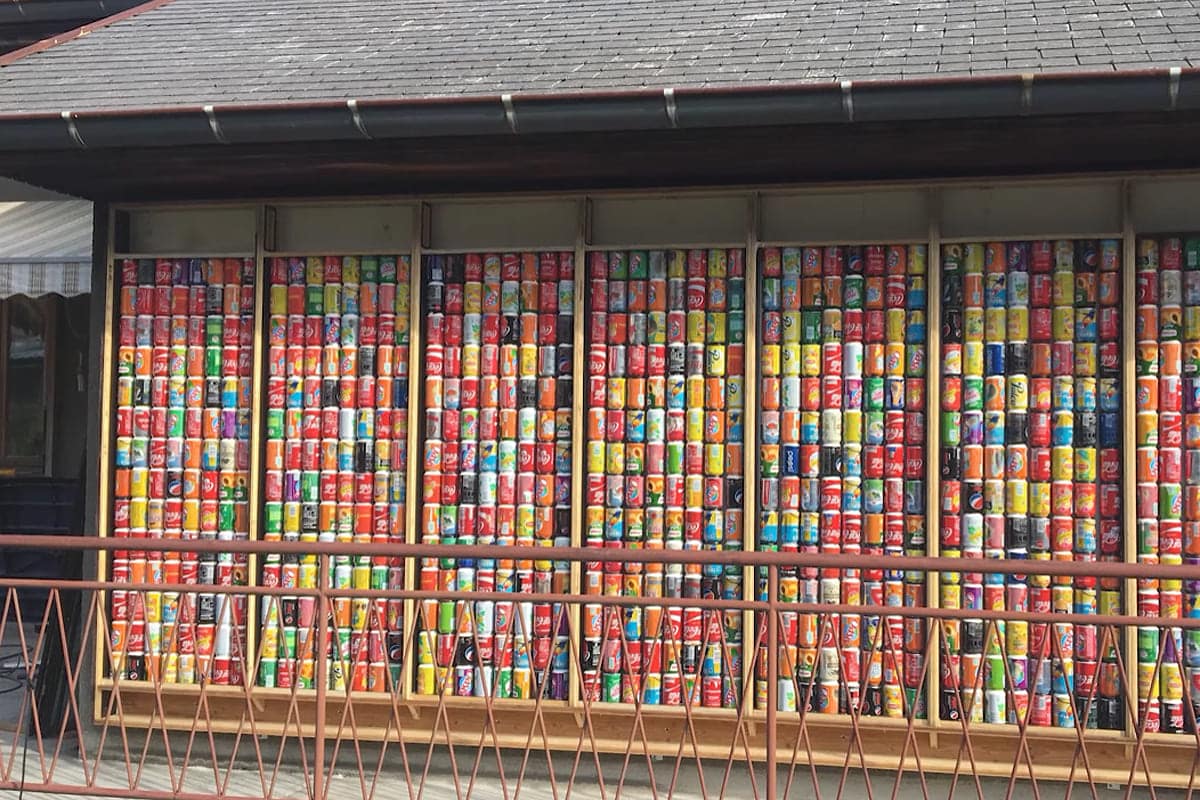
The foundation of this project starts with the cans themselves. Begin by enlarging the opening at the top of each can and drilling a hole in the base to allow airflow. Once the cans are prepped, clean them thoroughly and let them dry. Next, stack and glue the cans together using heat-resistant silicone to form vertical columns. Each column will act as a mini heat exchanger, warming air as it passes through.
For example, if you plan to build 14 rows, each approximately 1.85 meters high, you’ll need 196 standard 250 ml cans. These columns are the core of your solar panel, absorbing and transferring heat to the air that flows through them.

Step 2: Building the Frame
Once the can columns are ready, it’s time to construct the frame that will house them. Start with a sheet of plywood as the backing, cutting it to your desired dimensions. Drill two holes into the plywood—one near the top right corner and another at the bottom left—to serve as air intake and output points.
For the frame edges, cut four wooden boards to create a rectangular structure around the plywood. Additional boards will be needed to support the columns of cans; these should be drilled with holes matching the number of rows (e.g., 14 holes for 14 rows). Assemble the frame using nails and adhesive, ensuring everything is secure before moving on.
Step 3: Assembling the Solar Heating Unit
Now comes the exciting part: putting it all together. Start by lining the back of the frame with insulation, such as rock wool, to retain heat. Place the prepared columns of cans into the frame and spray-paint them with matte black paint to maximize solar energy absorption.
Next, attach pipes for the air intake and output to the drilled holes in the plywood. Seal these connections with silicone to prevent air leakage. Finally, cover the frame with a plexiglass sheet, securing it with heat-resistant silicone. The plexiglass acts as a protective layer, trapping heat inside the panel.
Maximizing Efficiency
To get the most out of your solar radiator, position it on a south-facing wall or another location with maximum sunlight exposure. While this DIY system won’t replace a full heating setup, it can effectively heat a 20–30 m² room with a panel around 2.2 meters tall. The savings are immediate and substantial, making it a worthwhile project for those looking to reduce energy costs.
A Sustainable, Affordable Solution
This DIY solar heating panel is a testament to how small innovations can make a big impact. By repurposing materials like soda cans, you can craft a system that’s both eco-friendly and budget-conscious. Plus, it’s a project that anyone can tackle with a bit of patience and creativity. So why not give it a try? Your wallet—and the planet—will thank you.
Similar Posts
- Build This Genius Solar Heater Using Just Empty Cans
- Plumbers share their method for removing black stains from silicone bathroom seals
- Plumbers share their trick to remove black stains from bathroom silicone seals
- Dishwasher Hack: The Cup Trick That Cuts Down on Electricity Usage
- 48 light-years away, the first true ocean planet finally confirmed by new discovery

Felix Marlowe manages Belles and Gals’ vibrant social media platforms. With expertise in social engagement and viral marketing, Felix creates content that sparks conversation and keeps followers coming back for more. From celebrity news to trending challenges, Felix makes sure our social media stays at the forefront of pop culture.


