
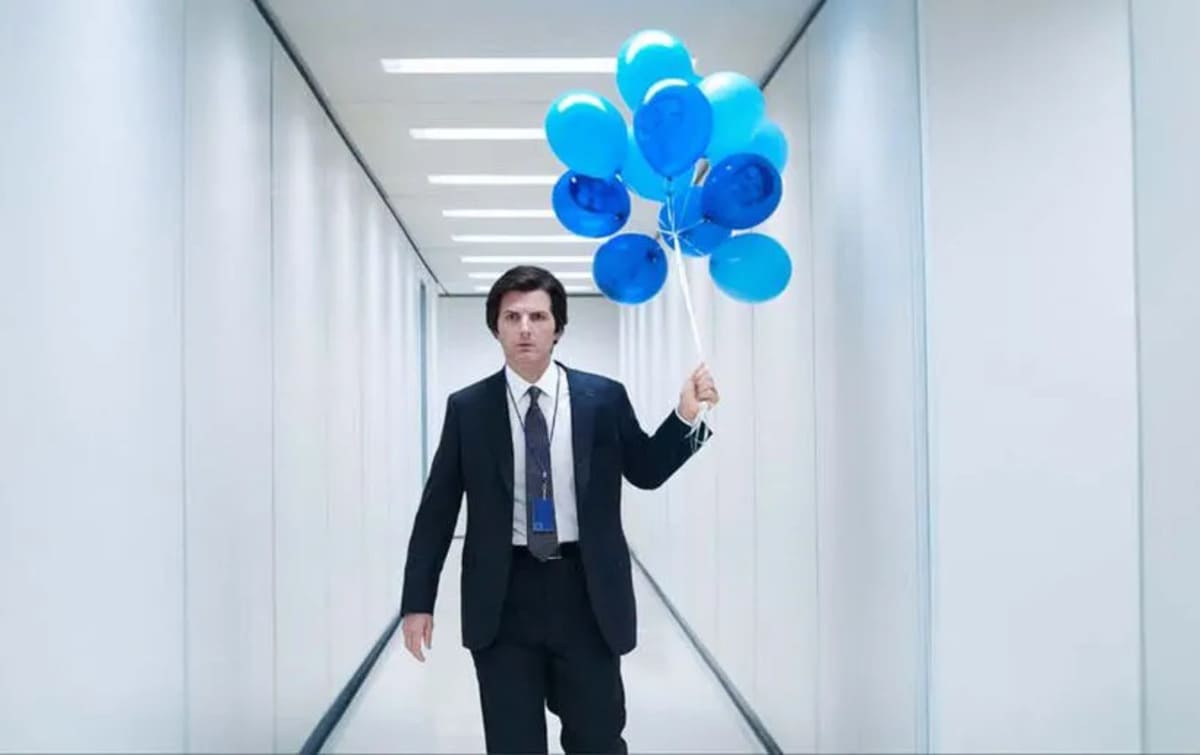
The return of Severance has sparked a fascinating discussion on the nature of identity, work, and the self. In this Apple TV series, employees at a mysterious company undergo a surgical procedure that divides their personalities into two distinct selves: the “innie” who works at the office, and the “outie” who lives outside of work. This dramatic split raises a bigger question about the possibility of compartmentalizing our lives. Can we really separate who we are in different situations, or is the idea of a fragmented self just a dystopian fantasy? As the second season unfolds, these questions take center stage, offering not just a critique of modern work life, but a deeper exploration of our sense of identity.
He thought he was rescuing a sheep—but it turned out to be something else
This bizarre French customer habit is driving shop owners crazy
The Compartmentalized Self: Can We Be Two People?
For those of us who’ve struggled with balancing different roles in life—whether at work, with family, or among friends—the idea of a dual identity is far from foreign. We’re often not the same person when we’re with a colleague as we are with a close friend, and many of us have experienced the tension that comes with maintaining different versions of ourselves. It’s this idea of compartmentalization that Severance plays with, asking if it’s truly possible to live two completely separate lives within one body.
In season 2, as we dive deeper into the lives of the characters, this question takes on even more relevance. The characters’ “innie” selves are deeply unaware of their “outie” personas, creating a profound disconnect. But the big philosophical question remains: is it possible to truly separate our lives to the point where we become not just one person, but two—or even more?
Different Philosophies of the Self
To explore this, we can look at three major philosophical ideas about identity and the self:
-
The Self Is One and Indivisible: This is the viewpoint famously held by Descartes. In his Meditations, he writes, “I think, therefore I am,” suggesting that our self is unified and indivisible. For Descartes, any attempt to break the self apart—such as what Severance presents—would be a false separation. Instead, he argues, the self is always whole, even when fragmented in illness or under duress.
-
The Self Is an Illusion: David Hume takes a radically different approach, asserting that the self is an illusion. He believes we are constantly shifting and that the idea of a permanent, unified self is a myth created by memory. According to Hume, each moment we experience creates a new version of ourselves, so compartmentalizing our identity is not only possible—it’s inevitable. In his view, our personality is always in a state of flux.
-
The Self Is Both One and Many: Perhaps the most fitting view for Severance is that of Michel de Montaigne, who proposed that the self is fluid and fragmented, yet still possesses an underlying unity. Montaigne famously wrote that each moment creates a new “us,” yet he didn’t deny the continuity of the self. His philosophy suggests that while our personalities might shift, we remain fundamentally the same when it comes to maintaining promises and commitments. This balance between fragmentation and unity feels very much in line with the themes of Severance.
The Promise of Dissociation
What makes Severance so compelling is its portrayal of characters who consciously choose dissociation to escape lives they find unbearable. In a way, these characters attempt to achieve a kind of “mental freedom” by splitting their identities, hoping that doing so will offer relief from the pressures of modern life. However, this voluntary fragmentation leads them into a paradox: to regain a unified self, they must break the very promise they made when they chose to undergo the procedure in the first place. This sets them on a path that might lead them back to unity, but at a significant cost—the promise of their fractured selves.
This paradox is an apt metaphor for the kind of neurosis many of us experience in our daily lives when we try to compartmentalize our identities too rigidly. The more we attempt to control and separate different aspects of ourselves, the more we risk losing touch with our authenticity. And just like the characters in Severance, the process of reconnecting with our true selves is rarely straightforward.
Conclusion : A Thought-Provoking Reflection on Modern Identity
The exploration of identity in Severance raises compelling questions about how we navigate the different roles we play in life. Whether we find ourselves adapting to fit in at work, with family, or with friends, the question remains: is it possible to compartmentalize so much that we lose the essence of who we truly are? The show brilliantly weaves this existential dilemma into its narrative, making us wonder if the separation of the self is ever truly possible or healthy.
As Severance season 2 delves deeper into the complexities of its characters’ fractured psyches, it challenges us to think about how we manage our own multiple identities. Can we really separate them, or is embracing our full, integrated selves the key to living a more authentic life? Keep watching as the series unfolds its answer to this profound question—one that resonates with all of us living in a world where work-life balance, personal boundaries, and identity crises are part of our daily reality.
Similar Posts
- Severance (Apple TV+): What Do Critics Think About Season 2?
- Severance season 3 : release date, cast, plot, and everything you need to know about the Apple TV+ series
- Yellowjackets Season 3: A Rock’n’Roll Trailer Hints at Dramatic Twists
- Outer Banks Season 4: A review of Netflix’s disputed turtle incident
- Squid Game Season 3: everything we know about the cast, plot, and release

Felix Marlowe manages Belles and Gals’ vibrant social media platforms. With expertise in social engagement and viral marketing, Felix creates content that sparks conversation and keeps followers coming back for more. From celebrity news to trending challenges, Felix makes sure our social media stays at the forefront of pop culture.


