
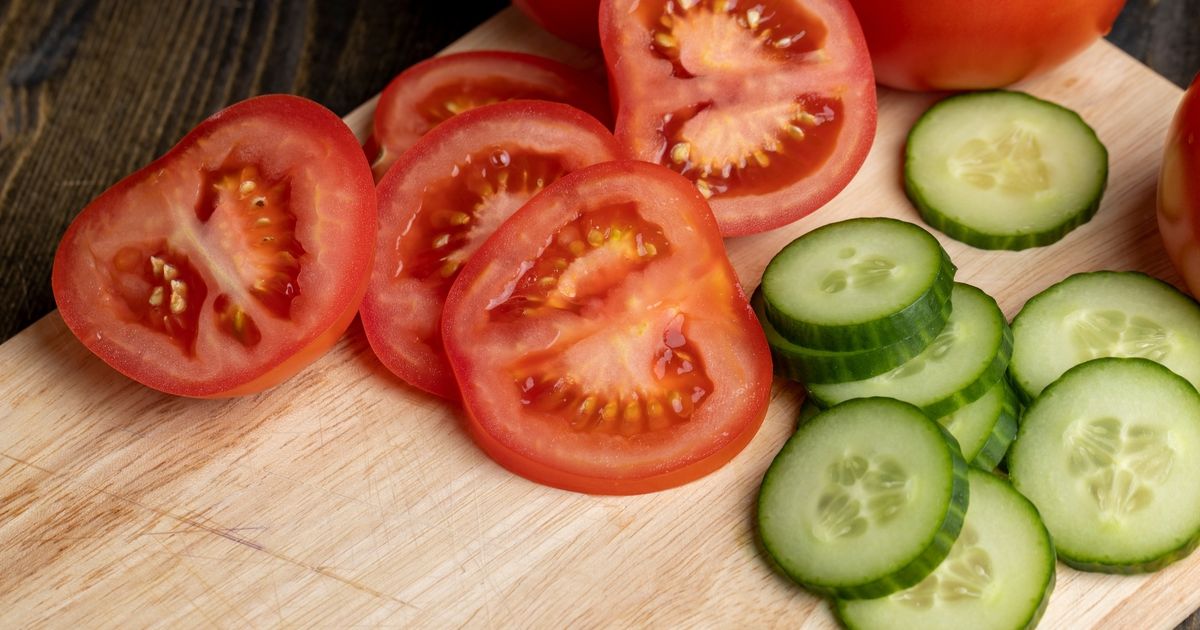
Summer is synonymous with crisp vegetables and refreshing salads, and when it comes to go-to combinations, tomatoes and cucumbers often top the list. Their vibrant colors and fresh textures make them an essential part of many dishes. However, while they may seem like the perfect pair for a healthy meal, this classic combo might not be as easy on your digestive system as you’d expect.
He thought he was rescuing a sheep—but it turned out to be something else
This bizarre French customer habit is driving shop owners crazy
The Health Benefits of Cucumbers and Tomatoes
Before we dive into the possible downsides, let’s look at why these two vegetables (yes, tomatoes are technically fruits!) are considered nutritional powerhouses.
Cucumbers are loaded with water, making them incredibly hydrating—perfect for hot summer days. They’re also rich in vitamins C, K, B5, B6, and B9, as well as essential minerals like phosphorus, magnesium, and potassium. With their anti-inflammatory and antioxidant properties, cucumbers are great for maintaining healthy skin and fighting inflammation. They’re a light, refreshing snack that can help keep your hydration levels up.
On the other hand, tomatoes offer a fantastic source of vitamin C and are packed with lycopene, a powerful antioxidant known for reducing the risk of heart disease and certain cancers. According to the American Heart Association, lycopene helps lower LDL cholesterol, improving cardiovascular health. Tomatoes are also a great source of fiber, which aids in digestion and promotes gut health.
As you can see, both vegetables are loaded with beneficial nutrients that support various aspects of your health. So what could possibly go wrong when you combine them?
Why Combining Cucumbers and Tomatoes Might Cause Digestive Issues ?
The issue with pairing cucumbers and tomatoes comes down to how differently they’re digested. Cucumbers, due to their high water content, are digested quickly, helping you stay hydrated and feeling light. On the other hand, tomatoes contain more fiber and natural sugars, which take longer for your body to break down.
When you consume both at the same time, this difference in digestion speeds can cause some digestive discomfort. The slower digestion of tomatoes can actually impede the quick passage of cucumbers through your system. This might lead to bloating, gas, or even abdominal pain—particularly for individuals with more sensitive stomachs.
I remember one time preparing a tomato-cucumber salad for dinner, thinking it was the perfect light dish. But after eating, I felt bloated and uncomfortable. I had no idea that something as simple as these two vegetables could cause me such discomfort, but the slow digestion of tomatoes clashed with the rapid digestion of cucumbers. It was then that I learned about this common digestive issue.
Tips for Sensitive Stomachs
If you love cucumbers and tomatoes but struggle with this digestive issue, here are a few tips to help you enjoy them without discomfort:
-
Separate Your Meals: Instead of mixing cucumbers and tomatoes in one dish, try enjoying them in separate meals. This gives your digestive system time to handle each fruit independently.
-
Portion Control: Reducing the quantity of each can ease the burden on your digestive system. Rather than a heaping serving of both, try just a few slices of each.
-
Chew Slowly: Thoroughly chewing your food helps with digestion, allowing your body to break down the ingredients more efficiently.
-
Listen to Your Body: Everyone’s digestive system reacts differently to food. Pay attention to how your body feels after meals, and make adjustments based on what works for you.
Embracing a Balanced Diet
While cucumbers and tomatoes can be nutritious, they might not be the perfect combo for everyone. Understanding how different foods interact with your body is essential for maintaining a balanced, healthy diet. Many experts, like Emily Brown, a registered dietitian with the Academy of Nutrition and Dietetics, stress the importance of individualized nutrition plans. “What works for one person might not work for another,” she says, underscoring the need to adjust your diet based on your body’s needs.
By paying attention to how your body responds to different food combinations, you can enjoy these summer staples without compromising your digestive health. The beauty of cooking and eating lies in discovering what works best for you.
Conclusion
Tomatoes and cucumbers are undoubtedly healthy and flavorful additions to any meal, but if you’re prone to digestive discomfort, their combination may not be the best choice. With a little attention to how you combine these ingredients, though, you can continue to enjoy their many health benefits without the aftereffects.
So, the next time you’re making a refreshing summer salad, consider either separating your cucumbers and tomatoes or enjoying them at different times of the day. Your digestive system will thank you, allowing you to enjoy the meal without any discomfort, so you can savor each bite in peace.
Similar Posts
- Why Combining Tomatoes and Cucumbers Might Not Be the Best Idea
- Here’s why you should eat bananas more often
- Cooler Than Gaspacho: This No-Cook Soup is Ready in Minutes!
- High-Protein Snack for a Flat Belly: Quick & Easy Prep!
- Delicious & Filling: This Potato Salad Is Perfect with Grilled Foods!

Felix Marlowe manages Belles and Gals’ vibrant social media platforms. With expertise in social engagement and viral marketing, Felix creates content that sparks conversation and keeps followers coming back for more. From celebrity news to trending challenges, Felix makes sure our social media stays at the forefront of pop culture.


