
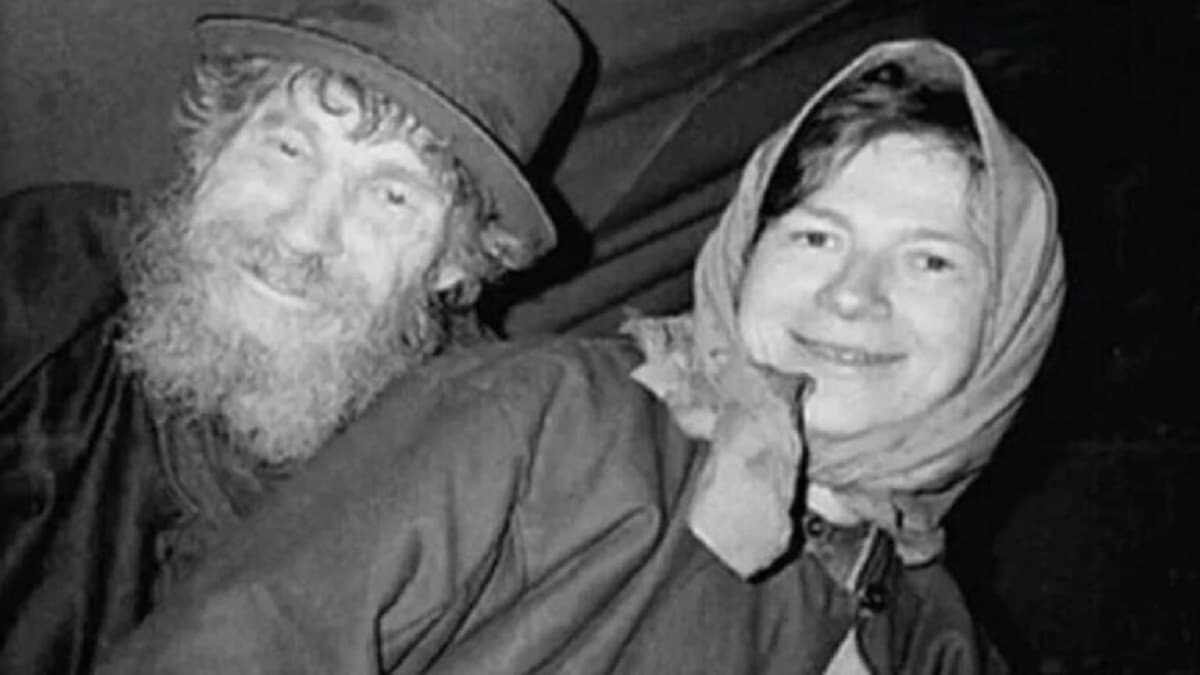
In an age where our phones buzz incessantly and the world feels smaller than ever, it’s hard to imagine a family living entirely cut off from society. Yet, that’s exactly what the Lykov family did for over four decades deep in the Siberian wilderness.
He thought he was rescuing a sheep—but it turned out to be something else
This bizarre French customer habit is driving shop owners crazy
The Lykov Family: A Life Removed from Civilization
Picture this: the vast, untouched expanse of the Siberian taiga, miles away from the nearest hint of civilization. This is where the Lykov family made their home. In the 1930s, Karp Lykov and his wife Akulina fled persecution during Stalin’s regime. As Old Believers—a sect of Russian Orthodox Christians—they faced intense oppression. To preserve their faith and way of life, they retreated further into the forest, eventually severing all ties with the outside world.
I remember reading about them and thinking how surreal it must have been to live without any modern conveniences—or even knowledge of major world events. Their isolation was so complete that they had no idea World War II had occurred.
Survival and Simplicity: The Daily Life of the Lykovs
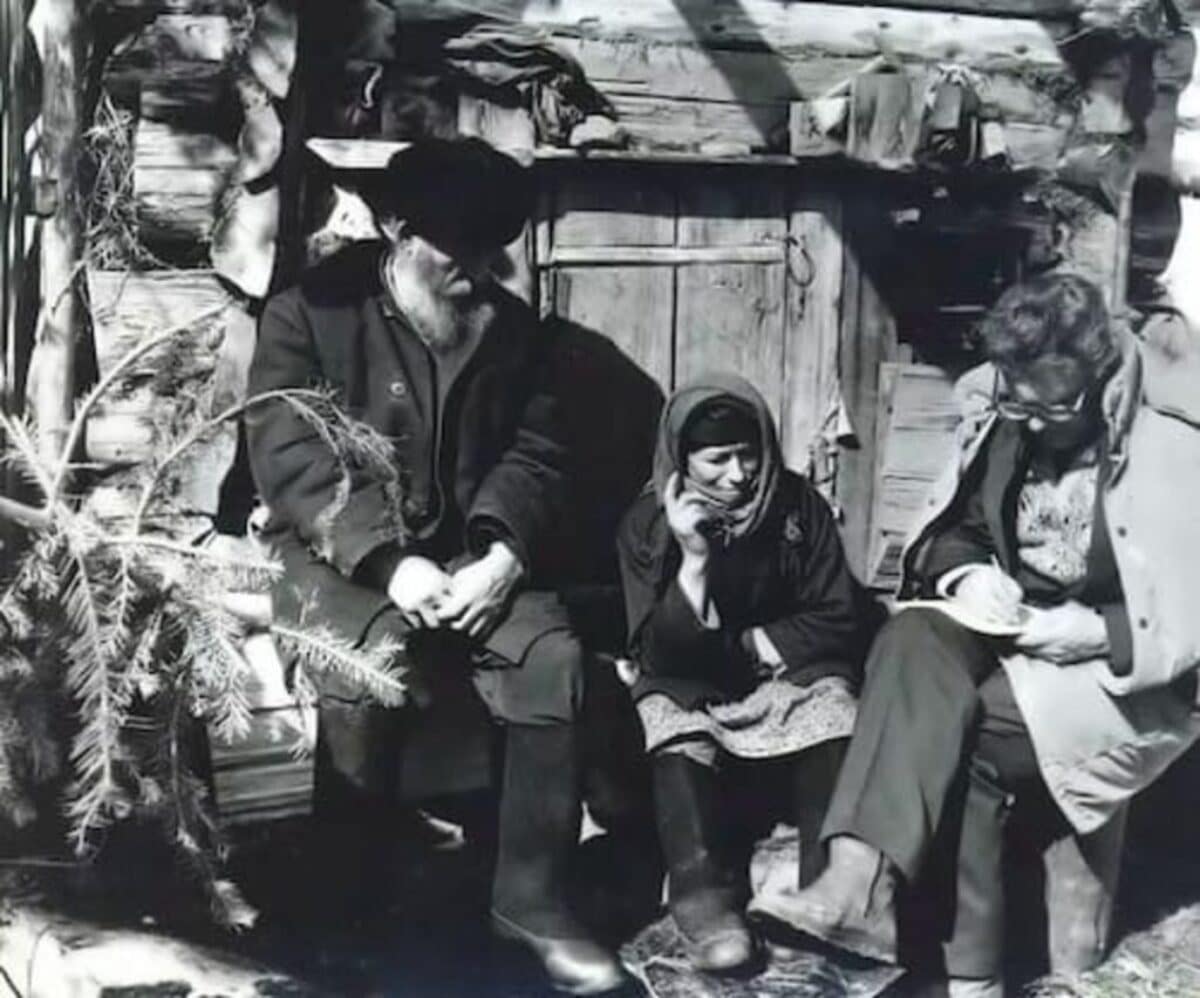
Living off the land was not a romantic adventure but a harsh reality for the Lykovs. They cultivated a small garden, hunted, and foraged for food. Winters were especially brutal, with temperatures dropping to unforgiving lows. Their clothes were handmade from hemp and tree bark, and they went without basics like salt and sugar for years.
Their children—two born before their isolation and two born in the wilderness—grew up knowing only the forest. The concept of electricity, airplanes, or even other people was entirely foreign to them. It’s akin to stepping into a time capsule frozen in the early 20th century.
An Unexpected Encounter: When Worlds Collide
In 1978, a group of Soviet geologists exploring for minerals accidentally discovered the Lykov family. Imagine the geologists’ surprise when they found a family living in a handmade log cabin, miles from any known settlement. According to accounts from the Russian Academy of Sciences, the geologists approached cautiously, aware that their sudden appearance could be overwhelming.
The Lykovs were initially apprehensive but eventually opened up to their visitors. They were introduced to simple items like bread and salt, which they hadn’t tasted in decades. Despite the allure of these novelties, they chose to continue their secluded lifestyle, valuing their independence and spiritual beliefs above all.
Agafia Lykov: The Last Keeper of a Vanishing Way of Life
Sadly, within a few years of their discovery, most of the Lykov family members passed away due to illnesses their immune systems couldn’t combat after years of isolation. Karp Lykov died in 1988, leaving his daughter Agafia as the sole survivor.
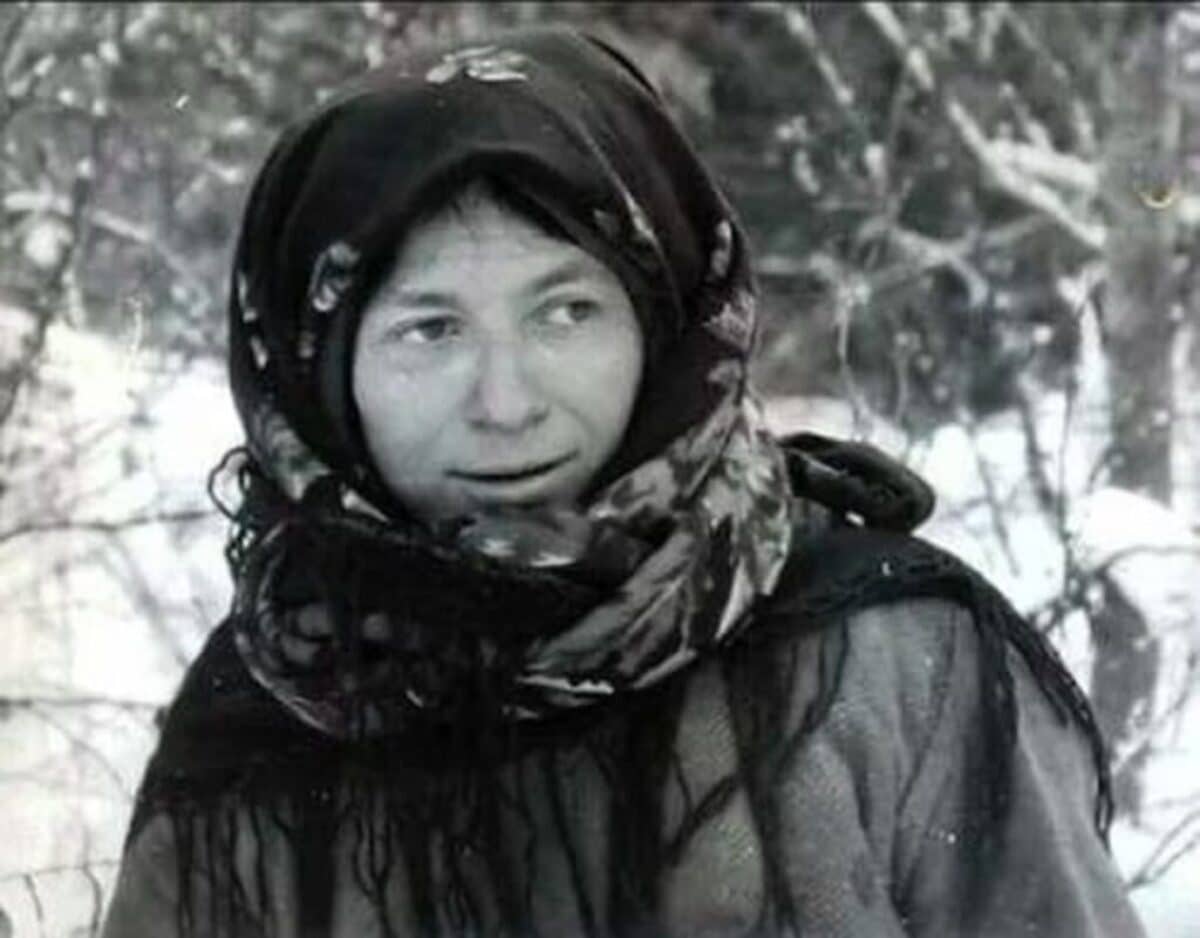
Today, Agafia continues to live in the Siberian forest, steadfast in her commitment to the life her family embraced. Now in her seventies, she receives occasional assistance from visitors and local authorities but remains largely self-sufficient. Her story has been featured in documentaries and articles, highlighting her resilience and the uniqueness of her way of life.
Reflections on Modern Life and Simplicity
The Lykov family’s story prompts us to reflect on what we consider necessities. In our hyper-connected world, their experience offers a stark contrast to our daily lives filled with screens and constant communication. Organizations like National Geographic have documented their tale, emphasizing the incredible human capacity for adaptation and survival.
It’s fascinating—and humbling—to consider that while we stress over emails and social media, Agafia finds contentment in the simplicity of nature. Her life raises profound questions about happiness, fulfillment, and what it truly means to live.
Similar Posts
- They Lived 40 Years Cut Off From the World—Their Story Is Unbelievable
- Isolated from the world for 40 years, this family lived in a remote forest—an incredible story
- Siberian unicorns lived alongside early humans before vanishing 35,000 years ago
- Scientists find giant sinkhole in China—inside, a prehistoric forest still thrives
- “At 51, I moved back in with my parents post-divorce and now I don’t want to leave.”

Felix Marlowe manages Belles and Gals’ vibrant social media platforms. With expertise in social engagement and viral marketing, Felix creates content that sparks conversation and keeps followers coming back for more. From celebrity news to trending challenges, Felix makes sure our social media stays at the forefront of pop culture.


