
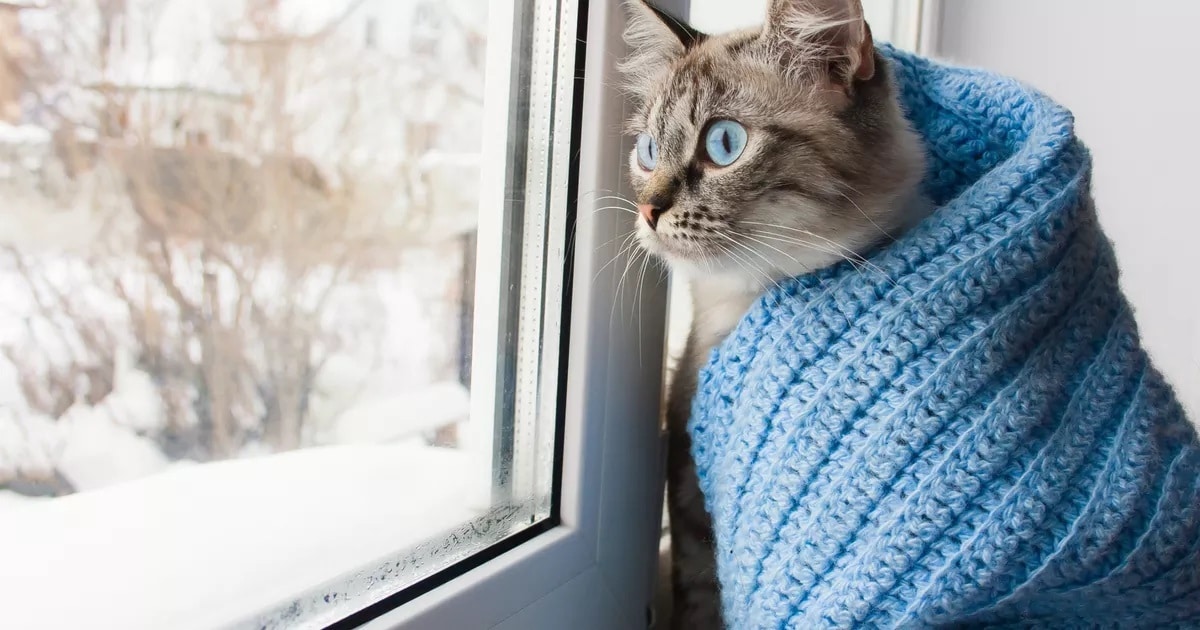
For many of us, our feline friends are more than just pets—they’re cherished companions. However, just like people, not all cats are built for frigid weather. In fact, some breeds are particularly vulnerable to the cold, and as a cat owner, it’s crucial to know how to keep them comfortable during winter. Let’s explore five cat breeds that really despise cold weather, along with some tips on how to care for them.
He thought he was rescuing a sheep—but it turned out to be something else
This bizarre French customer habit is driving shop owners crazy
The Sphynx
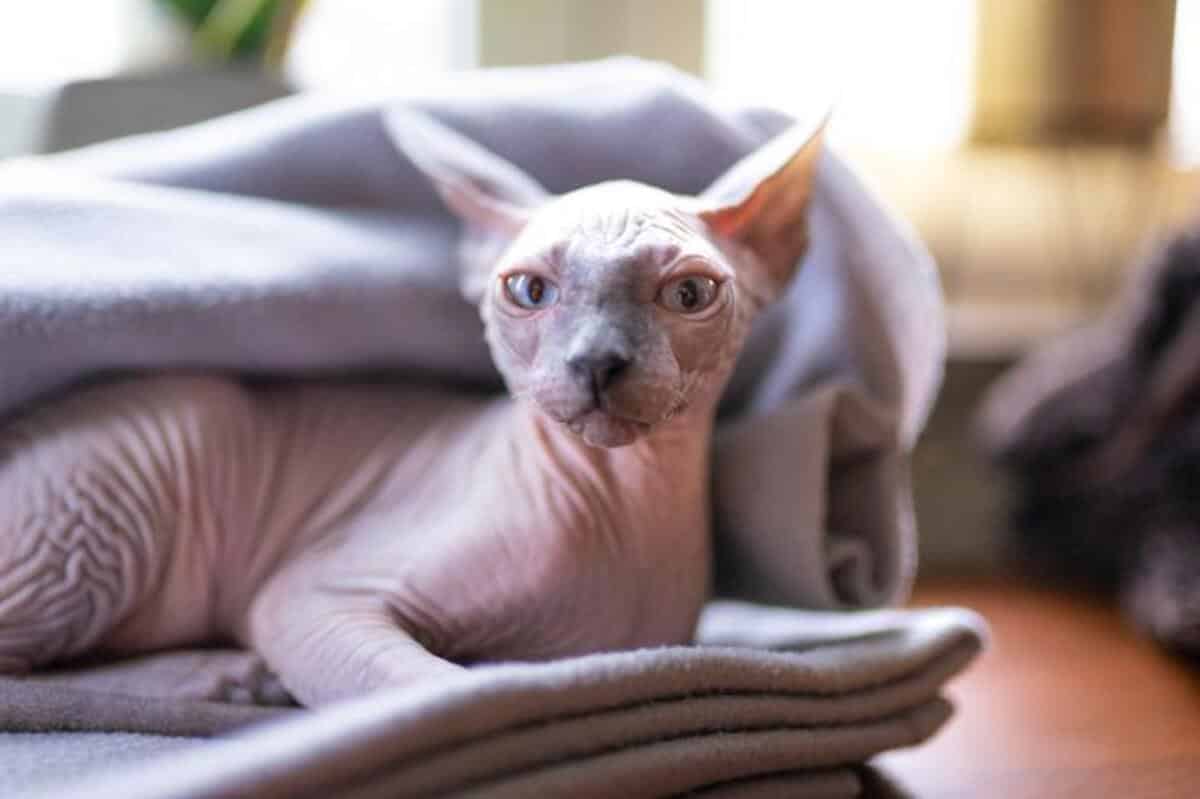
When it comes to sensitivity to low temperatures, the Sphynx is at the top of the list. Known for its near hairless body, this breed doesn’t have the natural insulation that most cats enjoy. I remember a friend’s Sphynx shivering by the window on a chilly evening—an unmistakable sign that it was time to move indoors. For Sphynx owners, it’s essential to maintain a warm indoor environment (around 22°C is ideal) and to provide cozy spots like heated beds or baskets near radiators.
The Savannah
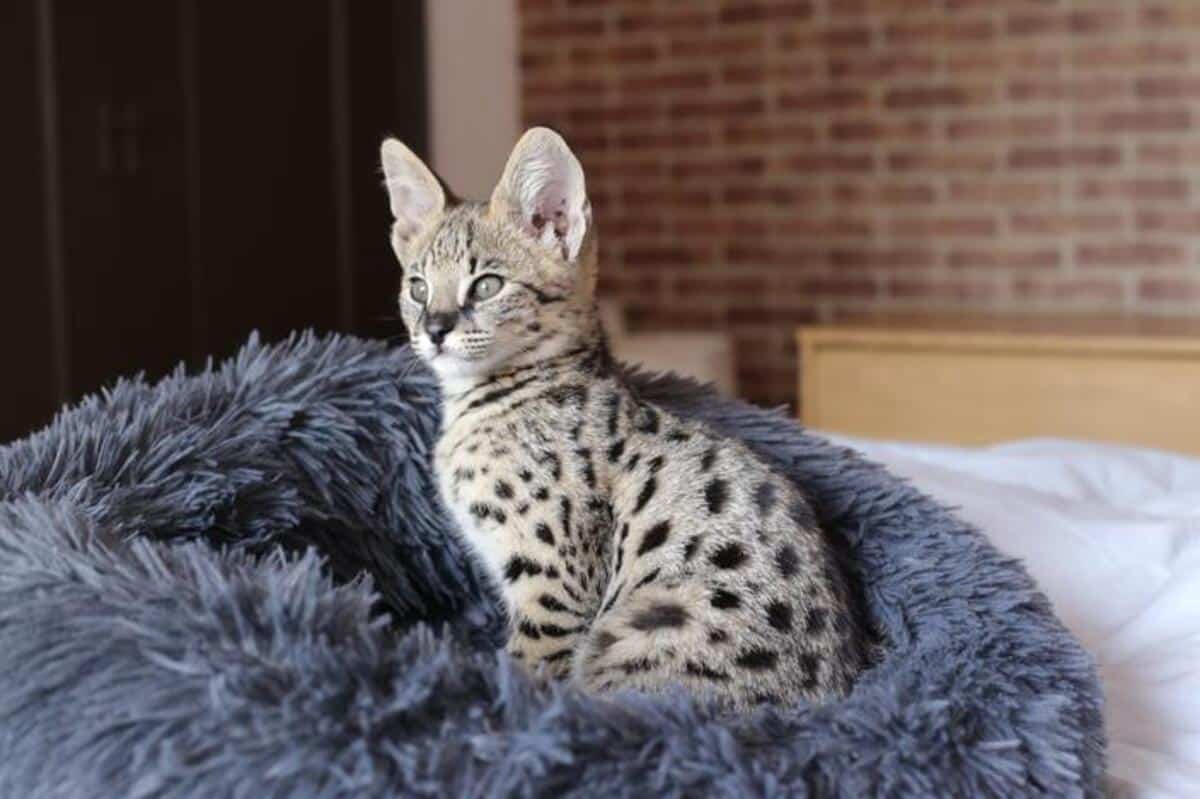
The Savannah cat, with its striking resemblance to its wild African ancestor, the Serval, is another breed that struggles in the cold. Accustomed to warm climates, these energetic cats prefer a heated environment. Their love for water might make you think they’re adaptable, but the truth is that their tolerance for cold is quite low. If you own a Savannah, consider keeping it indoors during winter and providing plenty of engaging activities—like a stimulating cat tree—to keep it active and entertained.
The Siamese
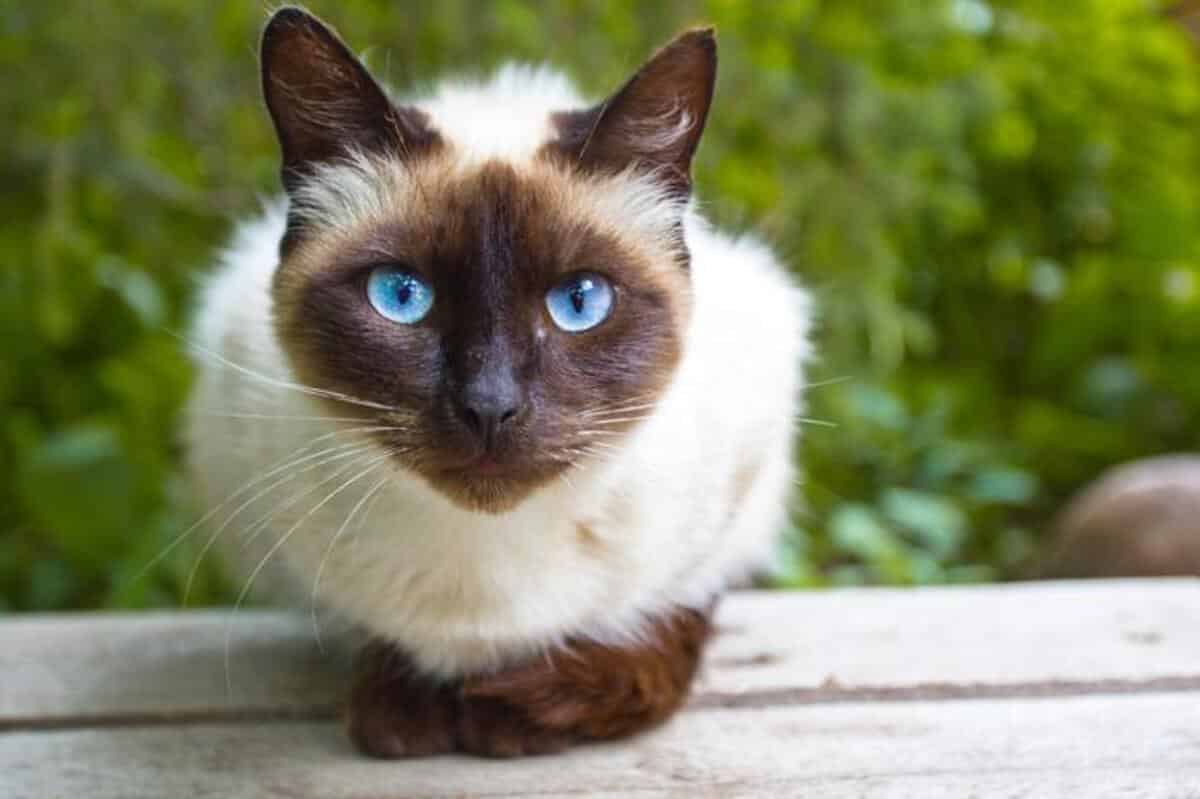
The Siamese is famed for its striking appearance and vocal personality, yet its short coat leaves it ill-equipped to handle cold weather. Hailing originally from warmer regions, the Siamese naturally opts for indoor life when temperatures drop. A Siamese cat may even develop a coat that subtly shifts in color based on its environment, adapting over time. For these sensitive cats, a warm, secure home is a must, along with regular opportunities for play and interaction to help them adjust to the indoor setting.
The Singapura
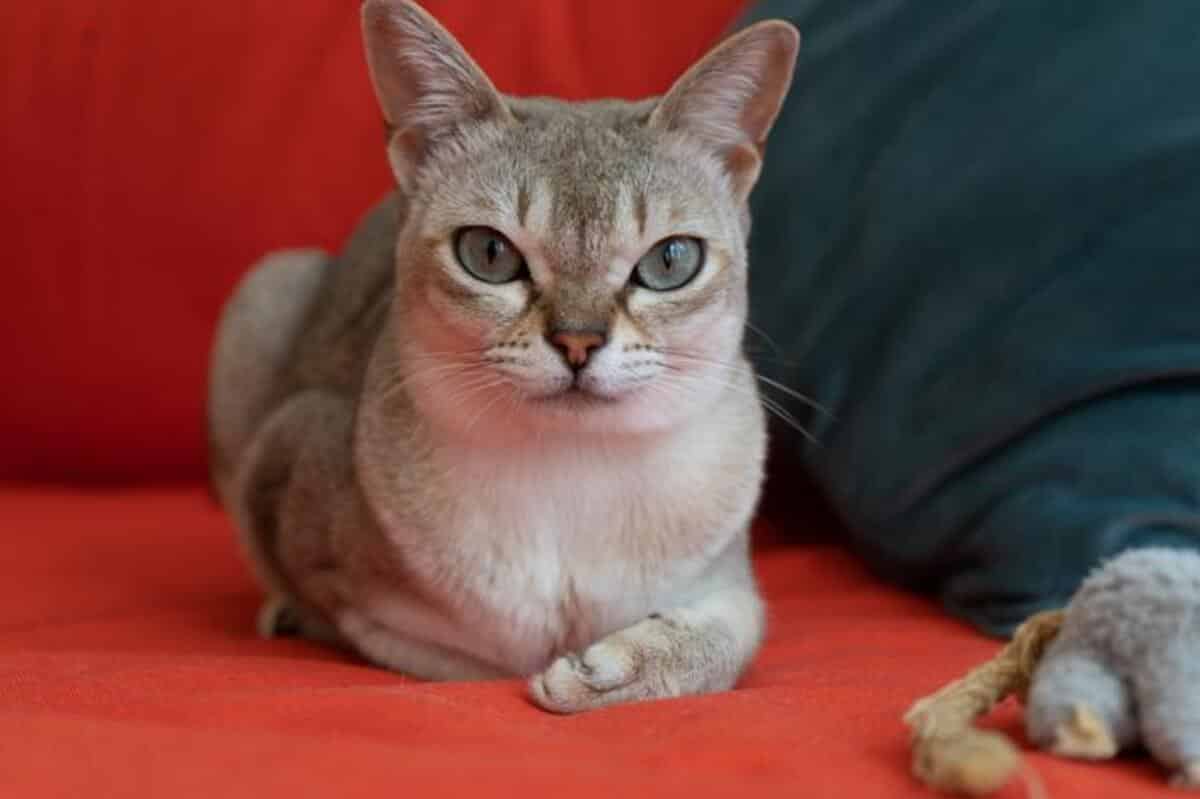
Small in size but big on personality, the Singapura is an ideal indoor companion during winter. With its fine, short coat, the Singapura is not built to endure harsh, cold conditions. I once saw a Singapura curled up next to a sunny window, clearly choosing the warmth over venturing into the cold. Ensuring a snug and safe environment, complete with a cat tree and various toys, can help keep this playful breed comfortable throughout the season.
The Somali
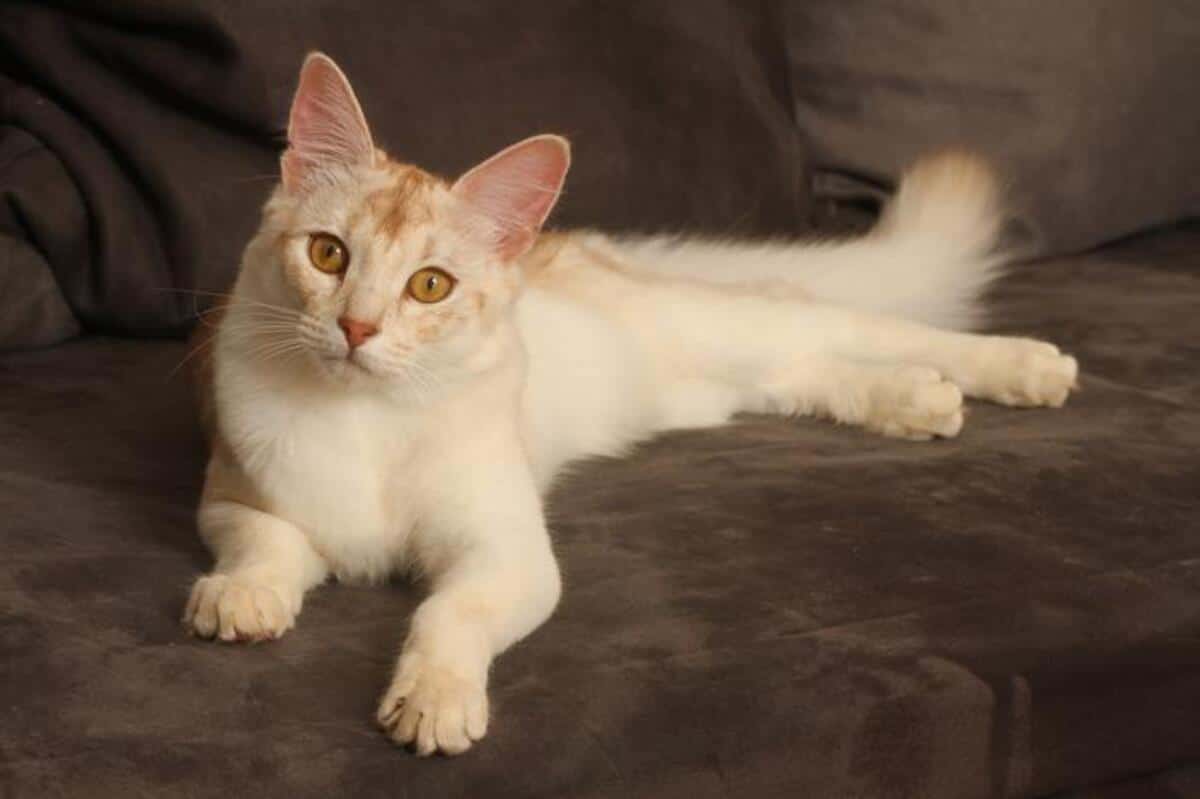
Lastly, the Somali cat is known for its lively and affectionate nature, yet it also lacks the thick undercoat that many other breeds possess. Without this natural buffer, Somalis can quickly become uncomfortable in the cold. To keep your Somali happy, it’s best to keep it indoors during winter and provide plenty of stimulation—whether that’s interactive playtime or simply a warm lap to curl up on. By ensuring your Somali is entertained and cozy, you help it adjust to indoor life without losing its playful spirit.
Similar Posts
- Five Tips to Keep Your Pets Safe During Cold Weather
- 5 Essential Tips to Protect Your Baby from Winter Cold, According to a Nurse
- Why Does My Cat Act Like a Dog? Here’s What It Could Mean
- Why do we feel cold at home even when the thermostat is set to 20°C? Here’s what really makes the difference
- Marine Lorphelin Shares Simple Tips to Stay Fit and Slim This Winter!

Felix Marlowe manages Belles and Gals’ vibrant social media platforms. With expertise in social engagement and viral marketing, Felix creates content that sparks conversation and keeps followers coming back for more. From celebrity news to trending challenges, Felix makes sure our social media stays at the forefront of pop culture.


