He thought he was rescuing a sheep—but it turned out to be something else
This bizarre French customer habit is driving shop owners crazy
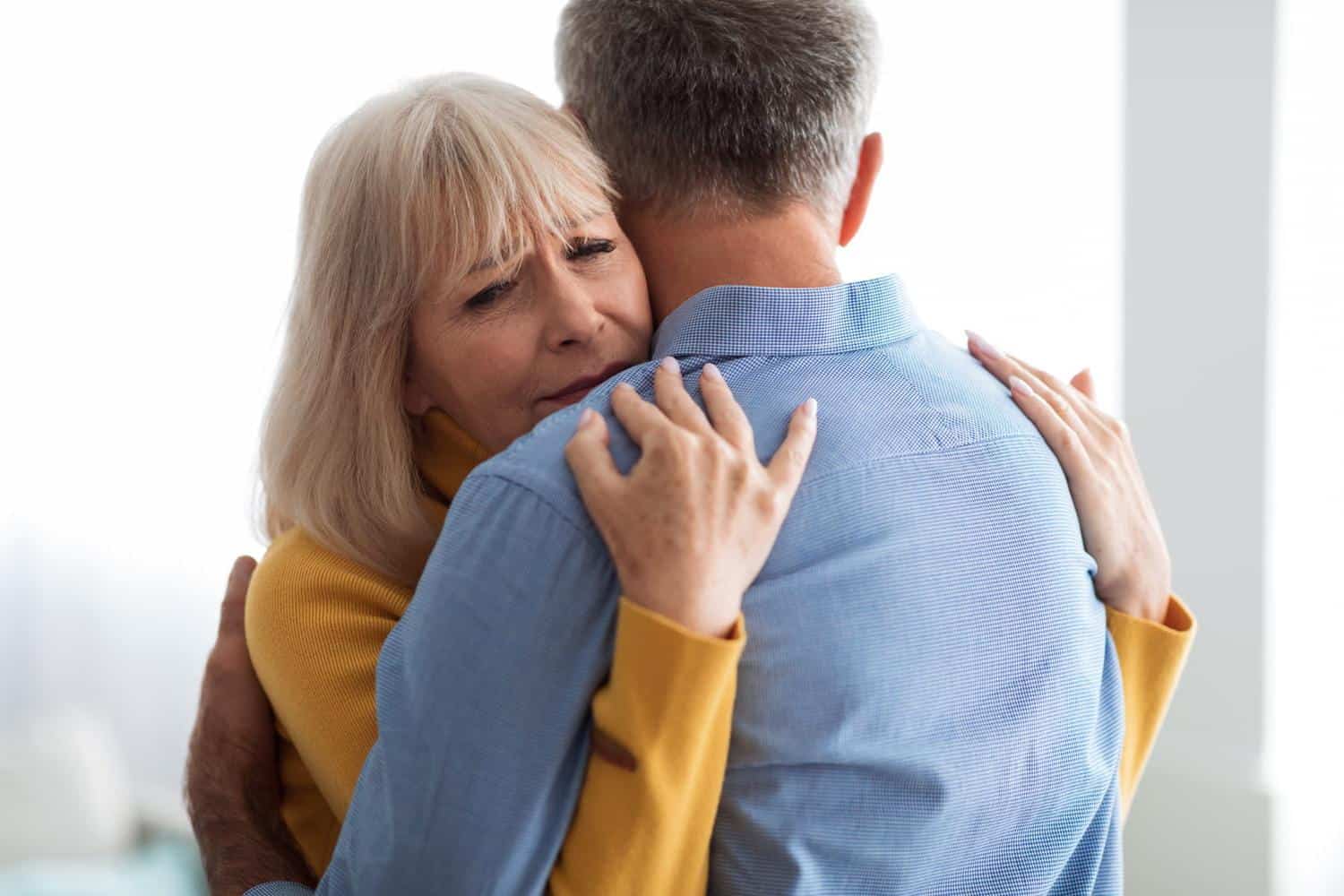
Like some medications, certain romantic relationships may only have a placebo effect. They provide temporary relief but fail to address deeper issues. Psychologist Véronique Kohn, who specializes in romantic relationships, explains that this placebo love often conceals a deeper fear…
In a balanced relationship, each partner is emotionally independent and does not rely on the other to feel complete. However, with placebo love, the dynamic is quite different. “One partner uses the other to fill an inner void, to dodge facing their own solitude,” states Véronique Kohn, a psychologist. In other words, love becomes an emotional crutch, a way to avoid confronting oneself. This type of relationship often arises when one has not properly mourned a past love, or when one jumps from one relationship to another without taking time to heal. “Placebo love is an escape from oneself, a postponement of the necessary inner work,” the psychologist adds.
These relationships may seem comforting because they offer a sense of security. However, Véronique Kohn warns, “Placebo love only satisfies temporarily. You may think the other person will heal you, but this illusion inevitably collapses.” A major risk of such relationships is emotional dependency. When happiness is believed to be only possible in a duo, unrealistic expectations are placed on the other person, creating an unbalanced dynamic. “These couples often become symbiotic, with a ‘savior’ partner and a ‘saved’ one,” the psychologist observes. Those experiencing placebo love may not realize they are caught in an emotional illusion: “They feel an urgency, the pressure of ‘needing to be in a relationship,'” emphasizes Véronique Kohn. But this relentless pursuit of love prevents the building of lasting emotional stability.
The expert outlines the typical signs of placebo love:
- An urgent feeling of needing to be in a relationship
- A deep-seated fear of being alone
- A compulsion to make the relationship work at all costs
- Anxiety about not starting a family
- Inability to enjoy the present moment
- Constant dwelling on past romantic experiences
- A difficult-to-bear emotional emptiness
To break free from placebo love, one must regain emotional independence. The first step is acknowledging that the relationship is not founded on healthy grounds. “We need to dismantle the myth of romantic love, recognizing that a relationship is not a fix-all,” advises Véronique Kohn. This involves personal work on one’s fears and emotional deficiencies, learning to be emotionally self-reliant, and accepting what is available in the here and now, without seeking what is missing.
Because ultimately, true love does not fill a void: it flourishes when each person has already achieved their own inner fulfillment. Placebo love may give the illusion of well-being, but often leads to exhaustion. For a relationship to be genuine, it must involve sharing—not compensating.
Similar Posts
- Top 3 Phrases Long-Term Couples Say Most Often!
- When Love is Unequal: The Major Relationship Red Flag You Can’t Ignore
- Love or Dependency? How to Spot the Difference in Your Relationship!
- Proven: Couples Who Frequently Say This Phrase Stay Together Longer!
- What Does Fear of Abandonment in Love Really Tell Us? Uncover the Truth!

Nora Caldwell brings over a decade of experience in entertainment journalism to the Belles and Gals team. With a background in celebrity interviews and TV critiques, Avery ensures that every story we publish is engaging and accurate. Passionate about pop culture, they lead our editorial team with creativity and precision.