He thought he was rescuing a sheep—but it turned out to be something else
This bizarre French customer habit is driving shop owners crazy
Loving more than your partner, giving unconditionally, and feeling alone in a partnership for two—Psychoanalyst Christian Richomme analyzes this often invisible mechanism that typically stems from past wounds.
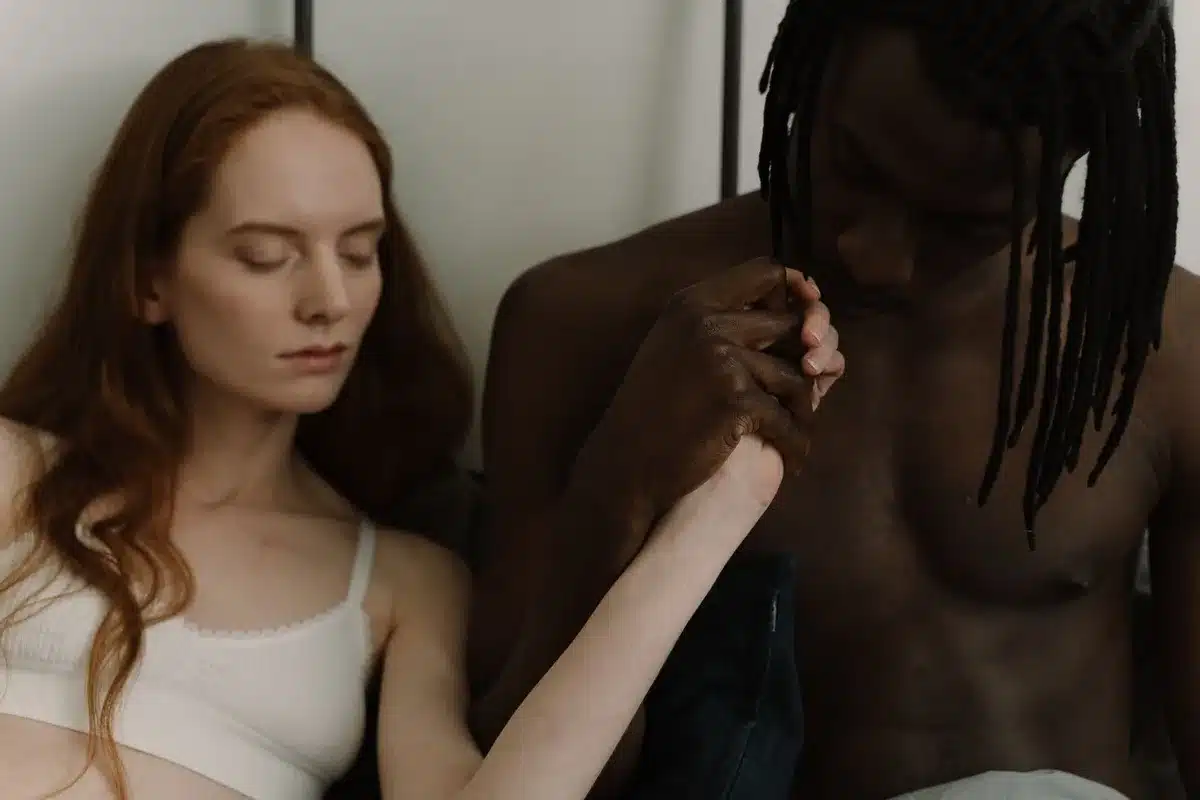
Do you ever feel like you love your partner more than they love you? This unbalanced dynamic is common in many relationships, according to Psychoanalyst Christian Richomme. “In love, words, actions, and the way love is expressed can influence the relationship. If one partner feels that the other isn’t matching their love language or way of loving, it can lead to feelings of being less loved, creating an emotional imbalance.”
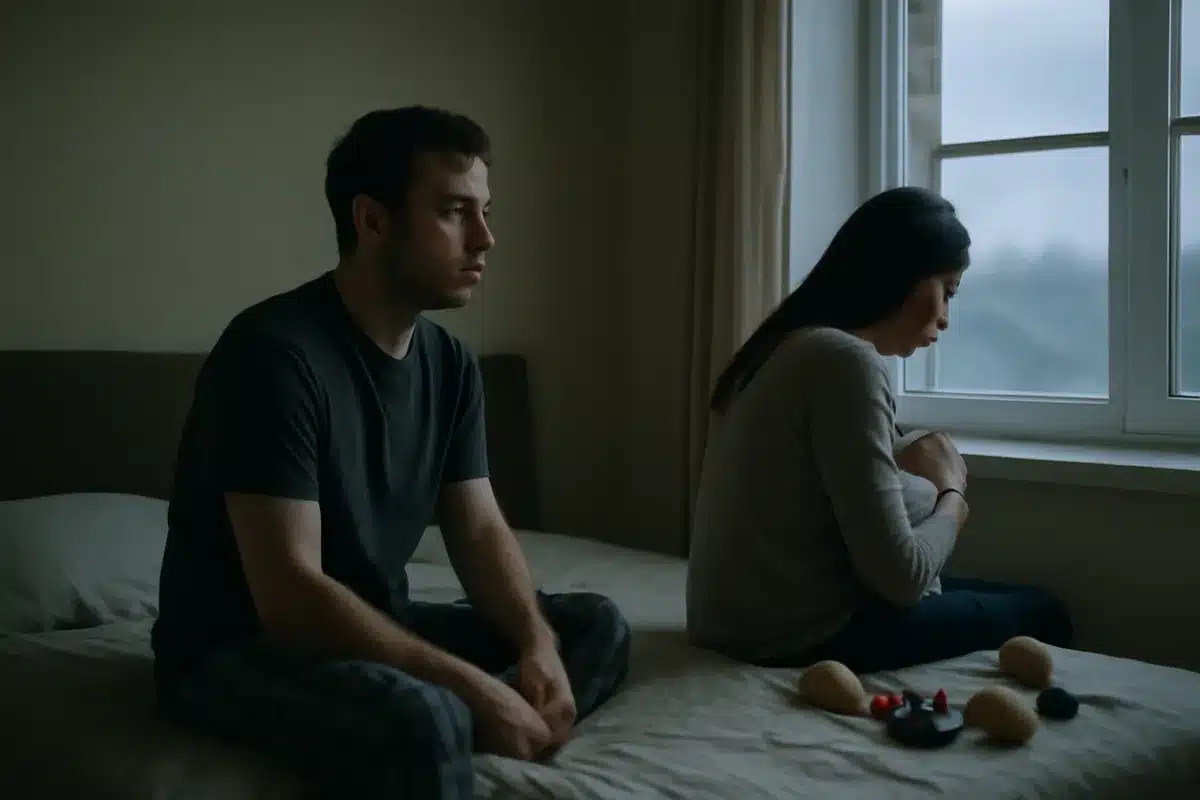
This perception generates emotional tension and can lead to an uneven relationship where one person exhausts themselves trying to fill what they perceive as a void. Hidden beneath this imbalance are often early traumas. “Those who love too much usually have a fragile self-esteem and a deep fear of abandonment. They give endlessly to keep their partner close,” notes the psychoanalyst. On the other hand, “those who love less” often harbor fears of losing their independence, emotional control, or becoming too merged with their partner. These two types of emotional injuries are different yet complementary: one fears being left, while the other fears being overwhelmed.
These personalities are drawn to each other, unconsciously replaying an emotional battle from their childhood: the quest for love they didn’t receive and are trying to win back. This can exhaust the relationship. This type of dynamic is often rooted in attachment styles. The anxious type seeks closeness and constantly adapts to be loved. The avoidant type protects themselves by maintaining distance, resulting in a draining emotional cycle where each reinforces the other’s wounds.
“This unbalanced dynamic is the starting point for a relationship that may become toxic,” warns Richomme. “It relies on exploiting each other’s vulnerabilities, leading to emotional dependency.” The partner who loves too much may give excessively to the point of exhaustion, while the other partner may quickly feel smothered. This results in considerable pain for both parties and a relationship weakened by doubt and frustrations. However, all is not lost: Richomme emphasizes the importance of dialogue and mutual understanding. “Discuss reciprocity, complementarity, and learn to express your needs without fear of rejection,” he advises.
Having the same attachment style is not necessary for a lasting loving relationship. What’s crucial is understanding how each person expresses love and respecting those differences. “To build a strong partnership, it’s essential to avoid both emotional neglect and lack of desire,” reminds the psychoanalyst. He concludes, “Understanding how you love and how you wish to be loved is key to avoiding an unequal relationship. Love should not be begged for.”
Similar Posts
- How Much Can One Partner Bear? Exploring the Limits of Support in Relationships
- 5 Signs You’re in the Right Relationship That Will Last!
- 6 Signs Your Husband is a Flirt – Is He Crossing the Line?
- Can You Stay Faithful to One Partner Forever? Unveiling the Truth!
- 8 Signs Someone Might Be More Likely to Cheat – Watch Out!

Nora Caldwell brings over a decade of experience in entertainment journalism to the Belles and Gals team. With a background in celebrity interviews and TV critiques, Avery ensures that every story we publish is engaging and accurate. Passionate about pop culture, they lead our editorial team with creativity and precision.