
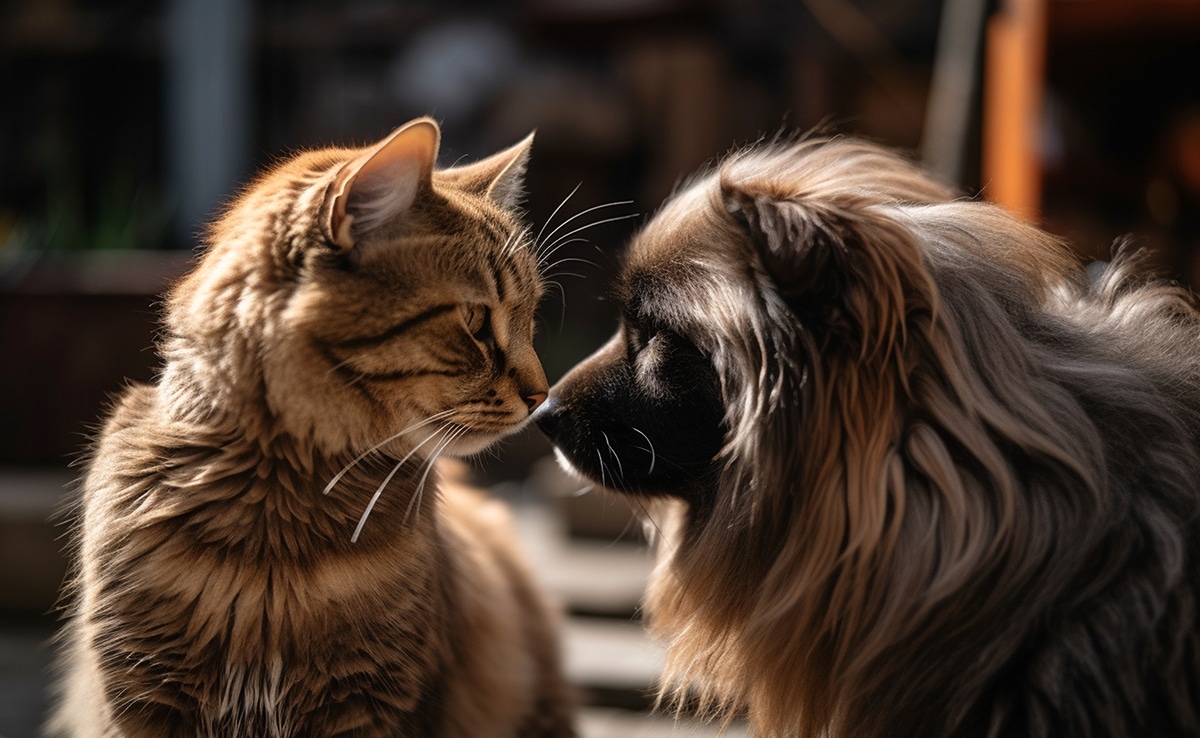
Cats and dogs have been our loyal companions for centuries, yet their behaviors couldn’t be more different. While both species share traits like territoriality and predatory instincts, cats have a flair for the unique that dogs just can’t replicate. Here are nine quirky cat behaviors that truly set them apart from their canine counterparts.
He thought he was rescuing a sheep—but it turned out to be something else
This bizarre French customer habit is driving shop owners crazy
1 – The Art of Scratching
Anyone who’s owned a cat knows that scratching is a full-time job. Whether it’s your favorite armchair or a designated scratching post, cats diligently scratch to mark their territory with scent and to maintain healthy claws. I remember my neighbor’s cat, Whiskers, spending hours on a beautifully designed scratching post, leaving behind subtle pheromones that both comforted him and signaled his space to other felines. Unlike dogs, which typically mark their territory by urinating, cats rely on these scented scratches to communicate.
2 – Facial Rubbing: A Scented Greeting
Cats are masters of subtle communication, and one of their most endearing habits is facial rubbing. Using glands on their cheeks, head, and flanks, they deposit pheromones everywhere—from your favorite sweater to your leg during a gentle nudge. This behavior is not just about marking territory; it’s also a sign of affection. When your cat gives you a soft head bump, it’s essentially saying, “I trust you.” While dogs may nudge you for attention, they don’t engage in this scent-based greeting as elaborately as cats do.
3 – Solo Hunting Tactics
Unlike dogs that often hunt in packs, cats are solitary predators. Their hunting style is a blend of stealth, patience, and precision. Hidden in the grass or lurking in the shadows, a cat waits for just the right moment to pounce on its prey. I once watched a neighbor’s cat, Shadow, stalk a tiny bird with the finesse of a seasoned ninja. This solitary approach to hunting not only highlights their agility but also their keen sense of observation—traits that dogs simply don’t exhibit in the same way.
4 – Playful Predatory Moves
When it comes to play, cats simulate their hunting instincts with a unique twist. They might bat at a toy with calculated precision, crouch and then suddenly leap forward as if capturing real prey. This playful behavior is their way of honing survival skills while indulging in a bit of fun. Dogs, on the other hand, tend to engage in more straightforward games of fetch or tug-of-war. That delicate, almost ritualistic play of a cat is a reminder of its wild ancestry and is something truly distinctive.
5 – Expressive Eyes That Speak Volumes
A direct, prolonged stare might be considered a challenge in the canine world, but for cats, it can be a gentle, expressive form of communication. When a cat narrows its eyes or gives you a slow blink, it’s a signal of trust and contentment. While studies—such as those referenced by the American Animal Hospital Association (AAHA)—have shown that eye contact can trigger oxytocin release in humans, cats use these glances to express a quiet, unspoken affection that dogs typically express through exuberant tail wagging.
6 – The Soothing Art of Kneading
Kneading, or “making biscuits” as some cat owners affectionately call it, is a behavior inherited from kittenhood. When cats press their paws rhythmically against a soft surface, they’re not only expressing comfort and affection but also marking that spot with their scent. I recall my own cat, Luna, kneading her favorite blanket every evening—a ritual that always made me smile. This behavior, a gentle stress-reliever, is uniquely feline and is rarely seen in dogs.
7 – The Magic of Purring
Purring is perhaps the most iconic cat behavior. That soothing, rhythmic sound can indicate contentment, but it also serves as a self-soothing mechanism during stressful times. Whether curled up in your lap or hiding under the bed during a thunderstorm, a cat’s purr can be incredibly calming. Research from organizations like the International Cat Care suggests that the vibrations from purring might even have healing properties. Dogs, charming as they are, simply don’t have this built-in healing soundtrack.
8 – Distinctive Body Language
Cats communicate a lot through their body language, often in subtle ways. For instance, a cat holding its tail high with a slight curve at the tip is signaling friendliness and confidence—a greeting that’s both elegant and understated. In contrast, a dog’s wagging tail is a more overt expression of excitement or happiness. These nuanced gestures in cats, from a flick of the tail to a soft blink, create a language of their own that is as fascinating as it is mysterious.
9 – Impeccable Grooming Habits
Cleanliness is next to catliness! Cats are known for their fastidious grooming, spending a significant part of their day meticulously cleaning their fur with their rough tongues. This self-care routine not only keeps them looking sharp but also helps regulate their body temperature and reduce stress. Unlike dogs, which often need a helping hand during bath time, cats instinctively manage their own grooming, making them true masters of hygiene.
Similar Posts
- Why Does My Cat Love Chin and Cheek Scratches So Much?
- Why Your Cat Lifts Its Rear When You Pet the Base of Its Tail
- 14 Affectionate Gestures Your Cat Will Instantly Understand
- Unveiled: The Surprising Way Your Cat Truly Sees You, Not as Its Master!
- Ignore them and they come: why cats prefer people who don’t like them

Felix Marlowe manages Belles and Gals’ vibrant social media platforms. With expertise in social engagement and viral marketing, Felix creates content that sparks conversation and keeps followers coming back for more. From celebrity news to trending challenges, Felix makes sure our social media stays at the forefront of pop culture.


