
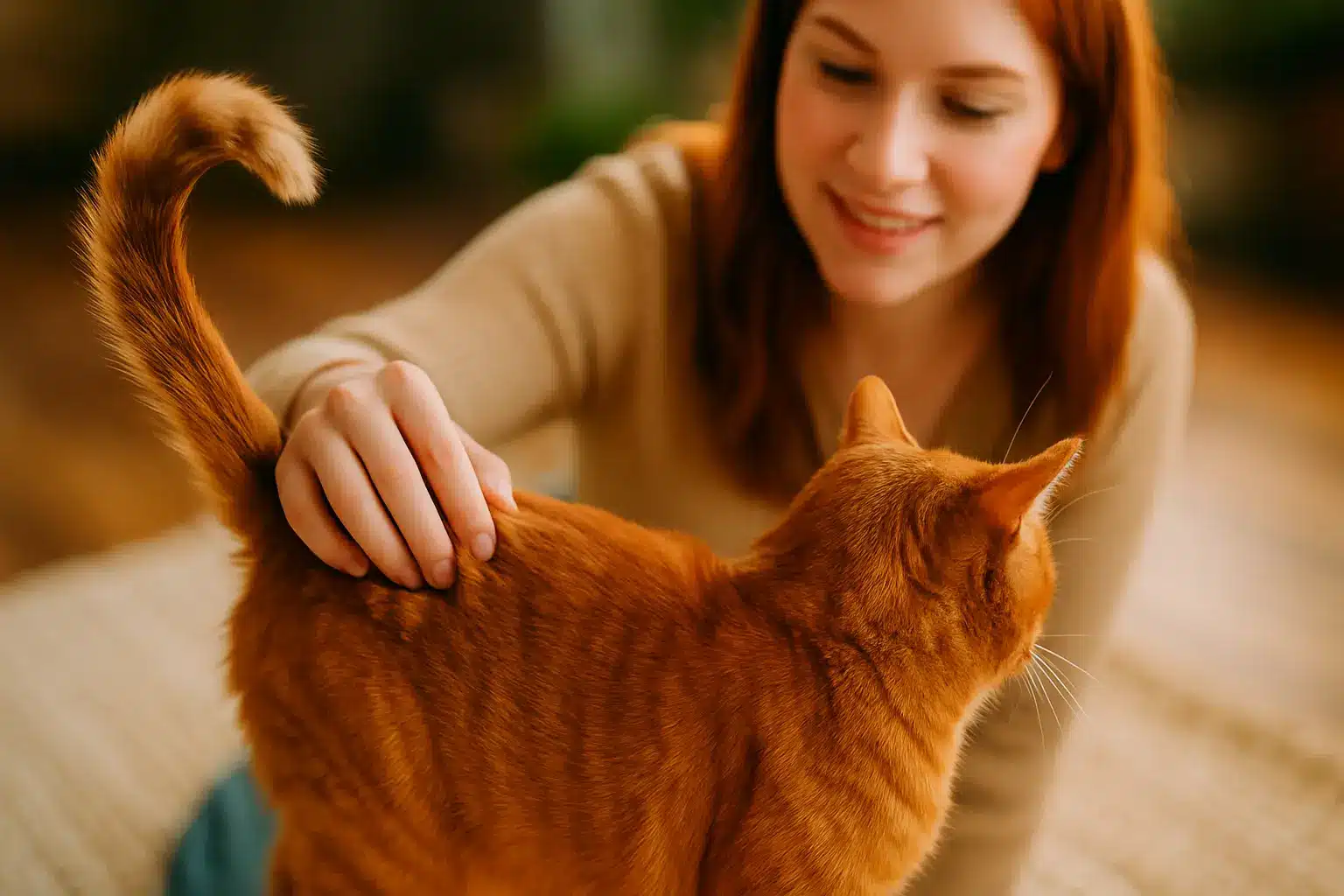
Why Your Cat Lifts Its Rear When You Pet the Base of Its Tail
Every cat owner knows the scene: you’re relaxing with your feline companion, gently stroking its back, when suddenly—up goes the rear, tail high, as if your cat is mooning the world with pride. While this gesture would raise quite a few eyebrows among humans, for cats it’s an entirely natural—and surprisingly meaningful—part of their quirky body language. Let’s unravel this charmingly odd behavior, and see what your cat might be telling you with that signature tail-raising routine.
He thought he was rescuing a sheep—but it turned out to be something else
This bizarre French customer habit is driving shop owners crazy
The Language of Feline Backsides
Cats have developed a unique way of communicating through their bodies, and sometimes these messages can be downright puzzling to humans. Let’s face it: if someone responded to a back rub by arching their posterior in your direction, you’d be more confused than flattered. But for cats, this movement expresses a mix of childhood memory and, frankly, pure pleasure. Not every cat loves being petted at the base of the tail, though. For some cats, this spot is extremely sensitive—so much so that it can be downright uncomfortable, and they may shy away or even protest if you touch the area. And if your back-scritch-loving friend who usually enjoys attention there abruptly starts to avoid it, it’s not a snub—it could signal an issue with their kidneys or abdomen, and a visit to the vet is strongly recommended.
Nerves, Pheromones, and Connection
The base of a cat’s tail is a veritable hotbed of nerve endings. That’s why, when you gently caress this particular spot, your cat experiences both a delightful sensation and an immediate sense of well-being. If your feline raises its rear during this moment, take it as a furry sign of appreciation—they want more, please and thank you. There’s also a fascinating chemical side to the story: responding to caresses in this region, your cat releases pheromones (much like when you scratch under their chin). These pheromones help them relax, and also serve to mark you with their scent—a subtle sign that you’re part of their chosen family. Through this little ritual, your cat expresses affection and their joy in sharing this intimate moment with you.
Kittenhood Memories and Mother-Child Bonds
This behavior isn’t just random; it has roots deep in your cat’s history. For the first month of a kitten’s life, it relies entirely on its mother. Right from birth, mom is busy grooming her offspring—not just to keep things tidy and stop predators from picking up their scent, but also to stimulate them. By licking the kitten’s anal area and the base of the tail, the mother encourages the young cat to get moving on important biological business (yes, we mean defecation). But beyond hygiene, this grooming is an act of love and bonding between mother and kitten. So when an adult cat enjoys being petted at the base of the tail, they may well be revisiting the comfort and connection of those early-life moments. This is a universal behavior, found just as much in companion cats as in their wild cousins.
- The base of the tail is packed with nerve endings.
- Pleasure from petting here recalls early kittenhood and motherly grooming.
- Pheromone release relaxes the cat and marks you as family.
- Not all cats enjoy this; discomfort may signal sensitivity or health concerns.
A Special Case: Females in Heat
For female cats in heat, raising the rear has a signal all of its own—though the meanings previously mentioned still apply. This particular posture is called “lordosis,” and it’s aimed squarely at male cats to announce, with feline subtlety, that they are ready to mate. While this stance is typical of unspayed females, it can linger even in those who have been spayed, especially if you pet them at the base of the tail. For them, it remains an automatic reflex, a lasting echo of their earlier instincts.
So, the next time your cat lifts its rear while you’re doling out affection at the base of the tail, remember: you’re not just scratching an itch. You’re stepping into a centuries-old conversation—from childhood bonds to chemical messages and the spark of evolutionary instinct. And above all, if your furry friend suddenly dislikes being touched at this spot, don’t chalk it up to cattitude—take it seriously and let your vet weigh in. In the world of cats, every tail tells a story. Yours might just be happier for listening.
Similar Posts
- Cats Cuddling and Grooming: It’s Not Always Love – Find Out What It Really Means!
- 9 Quirky Cat Behaviors Your Dog Would Never Copy!
- Why Does My Cat Love Chin and Cheek Scratches So Much?
- Why Your Cat Follows You Everywhere: More Than Just a Whim!
- Why Does My Cat Act Like a Dog? Here’s What It Could Mean

Felix Marlowe manages Belles and Gals’ vibrant social media platforms. With expertise in social engagement and viral marketing, Felix creates content that sparks conversation and keeps followers coming back for more. From celebrity news to trending challenges, Felix makes sure our social media stays at the forefront of pop culture.


