He thought he was rescuing a sheep—but it turned out to be something else
This bizarre French customer habit is driving shop owners crazy
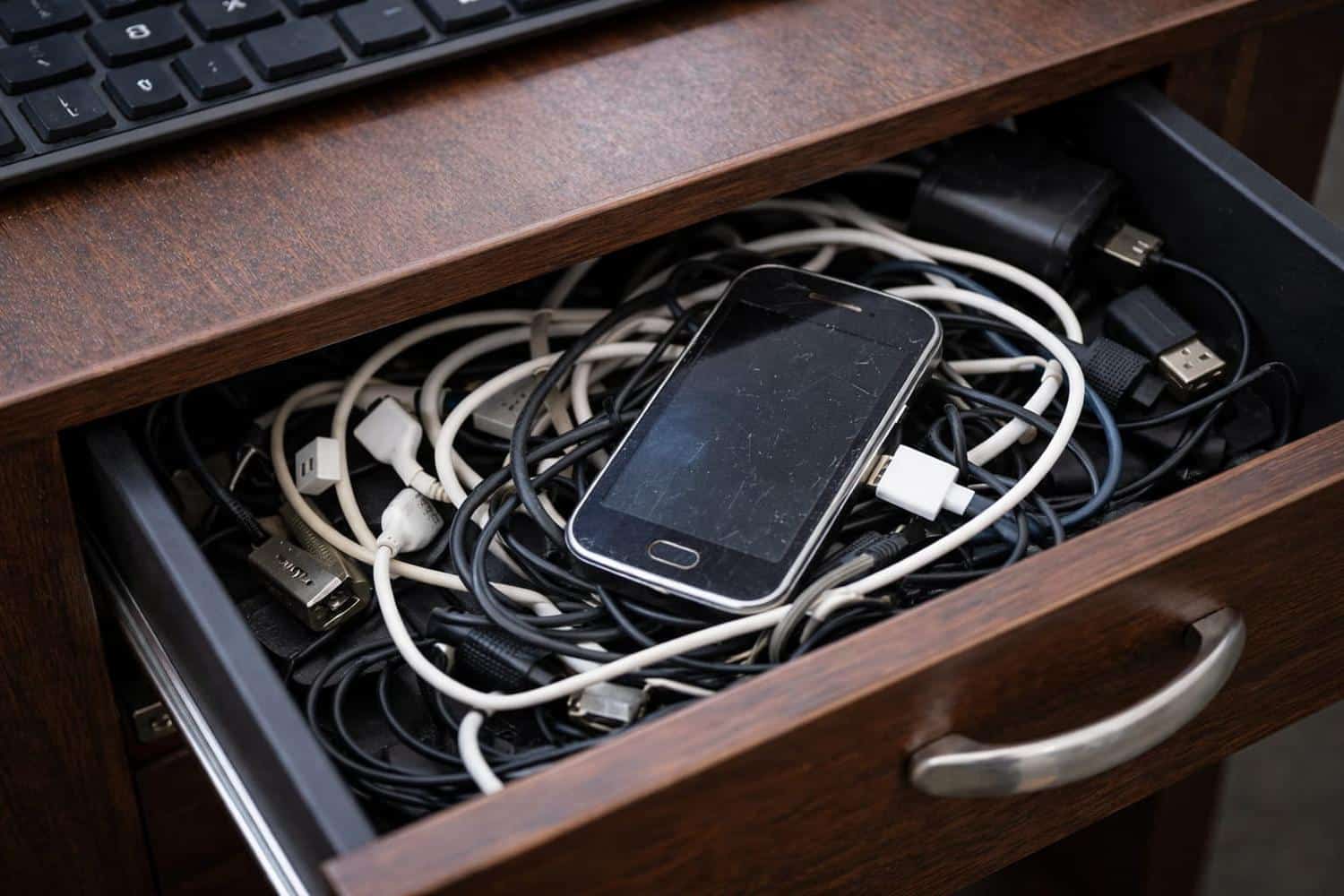
Many of us have an old smartphone tucked away in a forgotten drawer at home, kept “just in case.” However, this backup phone poses a real risk that most of us are unaware of.
Today, nearly everyone has a cell phone: 91% of Americans own a smartphone, according to the latest figures from the Department of Commerce. Smartphones have become an essential part of daily life, so much so that most of us would struggle to do without them—and not just younger people, as even 70% of seniors own one. As brands continuously update their offerings with more powerful hardware, longer-lasting batteries, or superior cameras, we’ve all replaced our phones at least once, if not numerous times over the years.
Who hasn’t kept an old smartphone in a drawer “just in case”? If your current one were to break down for some reason, it’s comforting to think that you have a “backup” device, at least until you can get it repaired or buy a new one. The Environmental Protection Agency estimates that there are between 54 and 113 million unused smartphones lying dormant in American drawers. However, this habit is more dangerous than it seems.
Because a phone, even when turned off, is never truly inactive: its battery continues to drain slowly until it reaches a deep discharge. Most smartphones—like many rechargeable devices, from laptops to electric bikes, and even e-cigarettes—contain lithium-ion batteries. These batteries are lighter, more durable, and charge faster, making them convenient in many ways. But if left neglected, they can deteriorate and pose a real hazard: even when the device isn’t in use, the battery can slowly emit toxic and flammable gases. A simple action, like picking it up, could be enough to cause a fire or even an explosion.
The liquid electrolyte in the battery eventually breaks down: “This phenomenon is due to an overcurrent in a battery cell, causing an accumulation of heat and gas. Several factors can cause this, the most common being overcharging, manufacturing defects, deep discharge, or battery damage,” explains the University of California on its website. Generally, a damaged battery is noticeable because it has swollen: this can lift the phone’s casing and sometimes emit an unpleasant chemical smell.
If you notice these signs, do not attempt to turn on or charge the smartphone, and certainly do not try to open it. The battery components are unstable, and you could risk piercing it, which “can cause a fire and explosion.” It’s best to take it to a repair shop, where they can assess the cost of replacing the battery. And if the swelling has damaged the device too much, such as detaching the screen or the back cover, then it needs to be disposed of at a specialized collection point. But “if the swollen battery starts to smoke, do not touch it, trigger the fire alarm, and call the fire department for guidance.”
In summary, leaving an old, unused phone in a drawer is a risk to both health and home. It also represents a financial loss—it’s better to sell it while it’s still functional—and a significant environmental impact. 80% of a smartphone’s carbon footprint comes from its production phase, and failing to recycle it means losing those valuable raw materials and the many metals it contains.
Similar Posts
- With this new battery, you won’t need to charge your phone for at least 50 years
- How Owning This Smartphone Could Be Costing You More Online
- Zuckerberg says smartphones are done — and Samsung is already working on what’s next
- Would you pay flagship smartphone prices for smart glasses? Zuckerberg bets on it
- Mark Zuckerberg Announces the End of Mobile Phones and Reveals Their Replacement

Felix Marlowe manages Belles and Gals’ vibrant social media platforms. With expertise in social engagement and viral marketing, Felix creates content that sparks conversation and keeps followers coming back for more. From celebrity news to trending challenges, Felix makes sure our social media stays at the forefront of pop culture.