He thought he was rescuing a sheep—but it turned out to be something else
This bizarre French customer habit is driving shop owners crazy
Every month, thousands of workers pay a portion of their company-provided health insurance unaware that this expense reduces their tax bill.
Company health plans have been a fixture for several years now. In the private sector, employers are required to offer a group health insurance plan to their employees and must pay at least a part of it. For many, this results in an additional line item on their paycheck. However, this line item can significantly affect taxable income.
First and foremost: not all health plans are treated equally. An individual health plan, voluntarily purchased from a private company, does not qualify for a tax deduction in this context. Simply paying a monthly premium is not enough. Instead, the situation changes with the mandatory group health plan established by an employer. It is this plan, governed by business regulations, that can influence your tax return.
Next, it’s important to understand who pays what. The portion paid by the employer is not deductible for the employee. It undergoes a different tax treatment and is included as part of taxable income. This often comes as a surprise: some believe that employer contributions reduce taxes when, in fact, they increase the taxable base. This mechanism is legal, but it remains poorly understood because it is seldom clearly presented to employees who focus mainly on their net pay.
What benefits the taxpayer is the employee’s share, that is, the portion of the contribution deducted from the salary. This is the amount genuinely borne by the employee throughout the year. However, beware of misleading tips: this amount is normally already subtracted from your gross salary by your employer to calculate your “Taxable Net.” Thus, you do not have to fill out any specific forms. Indeed, in many cases, no action is necessary. The amounts are already integrated through payroll and reported by the employer to the tax authorities.
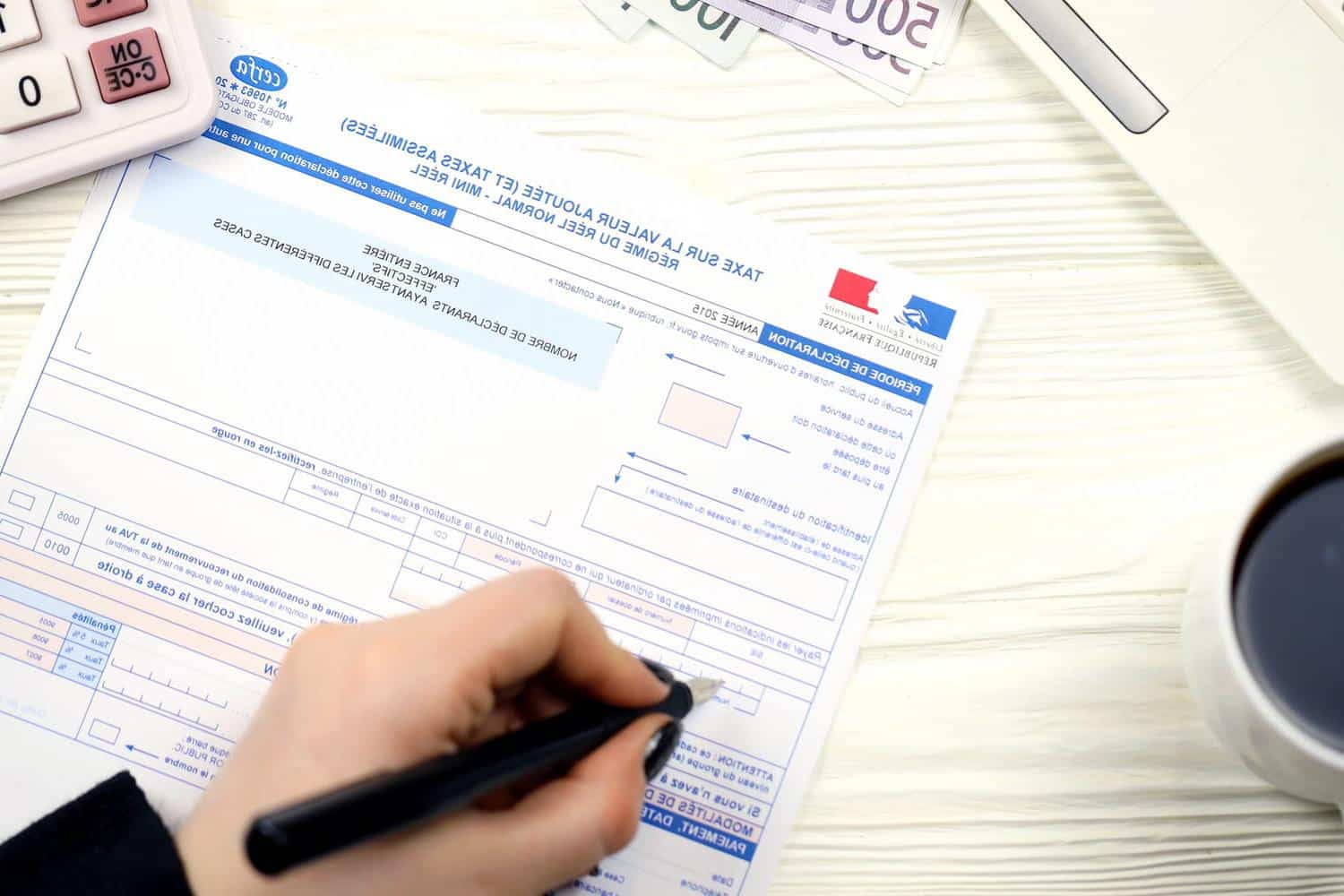
This is why some taxpayers notice nothing unusual when filling out their pre-filled tax forms. Hence, it is beneficial to compare your tax declaration with your salary slips and to verify the box labeled 1AJ (or 1BJ for a spouse), which corresponds to your income from work. Additionally, if you find that your employer has failed to deduct your share of the health plan from your annual taxable net, you will need to adjust the amount in box 1AJ downwards yourself, keeping your pay slips safe in case of an audit.
Let’s consider a practical example: a monthly contribution of 50 dollars, with 60% covered by the employer. This leaves 20 dollars per month for the employee, totaling 240 dollars over the year. This amount is automatically deducted from your taxable income reported to the tax authorities. For taxpaying households, the final impact will then depend on the tax bracket and the total income of the household.
Similar Posts
- Unlock Tax-Free Cash from Your Employee Savings Plan with This Surprising Trick!
- Pregnant Women’s Rights at Work: What You Need to Know!
- Remote Work Tax Deductions: How Much Can You Save Working From Home?
- Parental Presence Allowance: Duration, Amount, Eligibility – Find Out Now!
- Discover How This Legal Loophole Lets You Vacation Without Your Boss’s Approval!

Felix Marlowe manages Belles and Gals’ vibrant social media platforms. With expertise in social engagement and viral marketing, Felix creates content that sparks conversation and keeps followers coming back for more. From celebrity news to trending challenges, Felix makes sure our social media stays at the forefront of pop culture.