He thought he was rescuing a sheep—but it turned out to be something else
This bizarre French customer habit is driving shop owners crazy
In a video, Jean-Michel Cohen discusses a daily habit that can directly influence weight loss, and it’s incredibly easy to adopt.
When it comes to losing weight, the instinct is almost always the same: change your diet, exercise more, count calories. However, some experts stress other factors that are less visible but equally important in weight management. Jean-Michel Cohen is one such expert. On Instagram, the nutritionist recently focused on a very concrete behavior that occurs long before food hits the plate.
In his video, he emphasizes that weight management depends not only on what we eat but also on the environment we navigate daily. The habits related to grocery shopping and kitchen organization play a central role in the choices we eventually make. According to him, many eating behaviors are decided well before the actual mealtime.
The doctor first points out a simple truth: in most cases, snacking does not respond to real hunger. It is often linked to other mechanisms. “When you are in your home, you know that the two reasons for eating outside of meals are either to numb your thoughts or to avoid being alone. So, you might end up raiding the cabinets or the refrigerator.” This observation summarizes a well-known dynamic: when the urge to snack hits, we automatically turn to what is readily available.
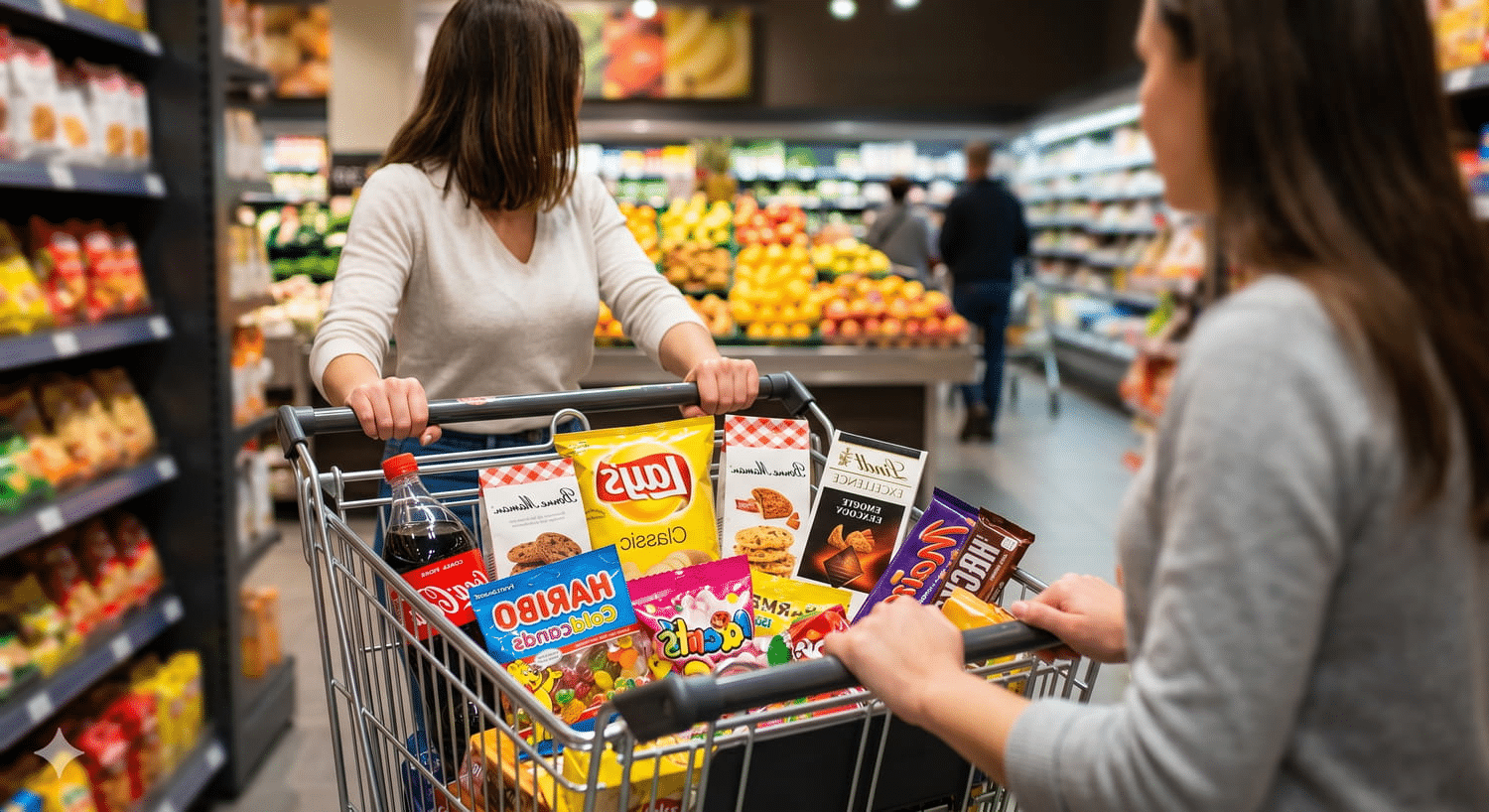
From there, the contents of the refrigerator and cabinets become critical. The specialist explains that the presence of certain products can guide eating behaviors without us even realizing it. “If inside, you only have treats or enticing products, you’re going to consume them.” In other words, the temptation largely depends on what is already at home.
Jean-Michel Cohen then stresses that it is crucial never to go grocery shopping on an empty stomach. Shopping while hungry leads to buying the most calorie-dense products at the supermarket. By structuring your shopping around foods planned as part of a diet, you naturally limit deviations. Organization then becomes a tool for regulation.
The idea, therefore, is not to eliminate the possibility of eating between meals but to ensure that the available foods remain compatible with the set goals. By controlling this specific moment, you directly influence what you will eat in the following days, and thus your overall dietary balance.
Similar Posts
- Stop Yo-Yo Dieting Now: Expert Tips to Maintain Your Weight Loss!
- 10 Summer Delights You Should Swap for Lighter Versions!
- Dr. Jean-Michel Cohen’s Simple Dining Rule to Keep Your Diet on Track
- Intermittent Fasting Mistake That Nullifies All Benefits, Expert Warns
- Dr. Jean-Michel Cohen Reveals the Best Hunger Suppressant That Costs Just Pennies!

Ellis McDowell is a trend analyst with a sharp eye for spotting the next big thing in entertainment. With years of experience in digital media and trend forecasting, Nora tracks the movements of influencers, viral content, and entertainment trends. Her insights help shape the stories that captivate our audience.