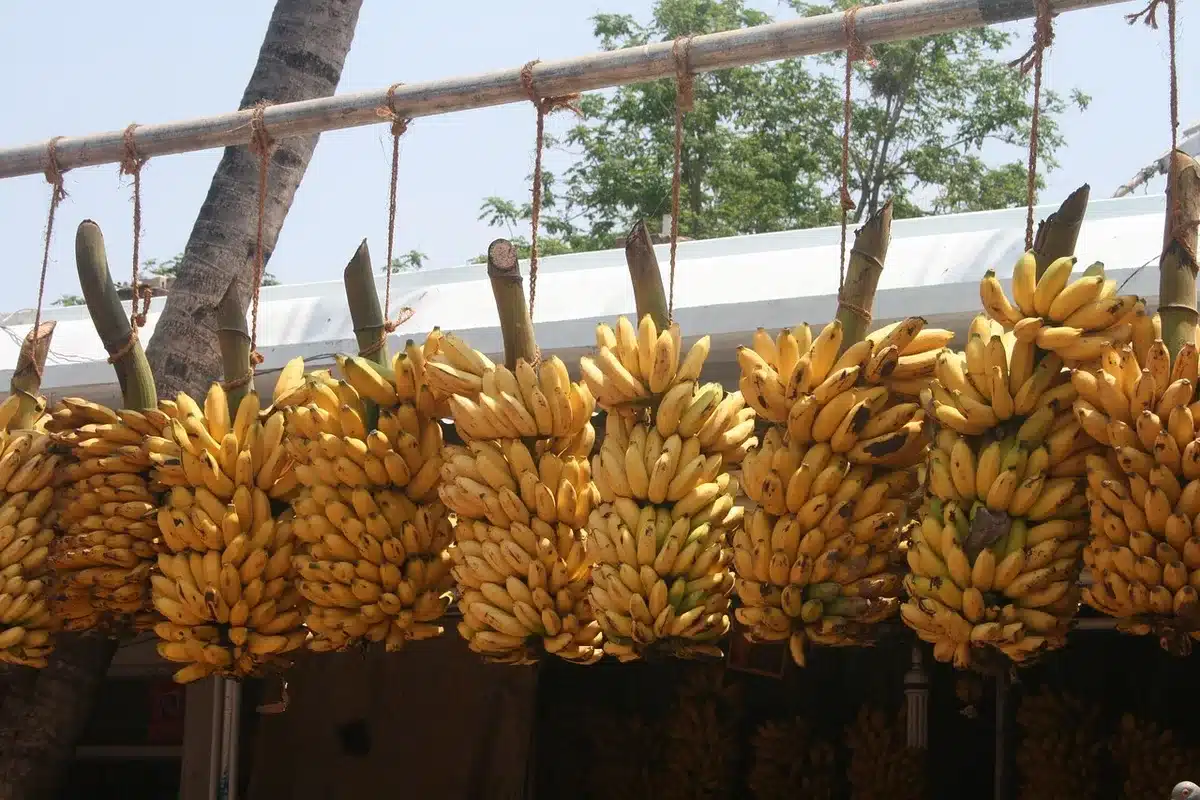
We all know how it goes: you bring home a handsome bunch of slightly green bananas, and within a few days they’re speckled with brown spots. Unless you’re planning an emergency banana bread bake, you’ll likely look for a way to slow their ripening. One common tip is to separate bananas from the bunch—supposedly that keeps them yellow longer. A food writer decided to test that claim.
NASA issues chilling warning: life on Earth won’t be possible after this date
This bizarre French customer habit is driving shop owners crazy
Kelli Foster, a journalist for the American site The Kitchn, turned her kitchen into a small experiment. She bought two bunches of bananas that looked about equally ripe. One bunch she left intact; from the other she pulled every banana apart. She also tried a second popular trick on some of the separated fruits: she wrapped the stems in plastic wrap. Then she tracked them daily for a week.
At first there was little to tell—through the first few days the bananas looked pretty similar. By day four, though, brown spots began appearing on all of the fruit. Things got more revealing on day five.
By the fifth day the separated bananas seemed to be ripening faster. Two days later the difference was unmistakable: the detached bananas had progressed further toward full ripeness than those that remained in their original bunches. That outcome was the opposite of the tip the reporter set out to verify. Wrapping stems in plastic didn’t seem to make much difference either. Curious, Foster repeated the trial and got nearly the same results.
Why would that happen? Bananas are climacteric fruits, which means they continue to ripen after being picked and they emit ethylene gas—a plant hormone that speeds up ripening. The more ethylene a fruit produces, the faster it matures; that’s also why a ripe banana can hasten the ripening of other nearby produce.
It’s important to remember this was a home kitchen test, not a controlled scientific study. Other trials have produced different outcomes. Factors such as storage temperature, the initial stage of ripeness, and air circulation can all influence how quickly bananas ripen. Still, the practical takeaway from Foster’s experiment is straightforward: you probably don’t need to spend extra time separating every banana when you get home—those kept together in the bunch held up better in her test.
Similar Posts
- Unlock the Secret to Perfectly Fresh Bananas: No Fridge Required!
- Indulge Guilt-Free: Effortless, Moist Banana Bread Without Sugar or Fat!
- Here’s why you should eat bananas more often
- Unlock the Secret: The Best Spot to Keep Cherries Fresh Longer!
- Melon Storage Tips: Best Practices for Keeping Melons Fresh in Your Kitchen

Felix Marlowe manages Belles and Gals’ vibrant social media platforms. With expertise in social engagement and viral marketing, Felix creates content that sparks conversation and keeps followers coming back for more. From celebrity news to trending challenges, Felix makes sure our social media stays at the forefront of pop culture.