NASA issues chilling warning: life on Earth won’t be possible after this date
This bizarre French customer habit is driving shop owners crazy
Ideally, you’d buy freshly roasted whole beans from a local roaster. In real life, though, many supermarket whole-bean options do the job surprisingly well, as one coffee expert’s tasting shows.
When it comes to drinking a really good cup, freshly roasted beans from an artisan roaster are hard to beat. Still, that isn’t always practical for everyday life. Budget constraints, lack of time, and regular grocery runs mean that a lot of people end up buying whole-bean coffee at the supermarket. And that can be perfectly fine—provided you choose wisely. To help shoppers navigate the options, Colin, better known as Cafelista and a content creator focused on coffee, evaluated several supermarket whole-bean coffees. He found that a few of them delivered pleasant surprises.
The first issue supermarket coffees face, the expert points out, is freshness. From roasting to transportation, storage, and finally being placed on store shelves, months can pass. Over that time, beans gradually lose volatile aromas. Another observation: many mass-market coffees tend to taste similar — often overly bitter and lacking complexity. This is partly due to aggressive roasting profiles that can hide defects in lower-grade beans. Colin also criticizes the lack of transparency about coffee origins, farming methods, and how producers are compensated. The intensity rating printed on packages is also unreliable, since each brand uses its own scale. Despite these drawbacks, a handful of supermarket whole-bean options stand out.
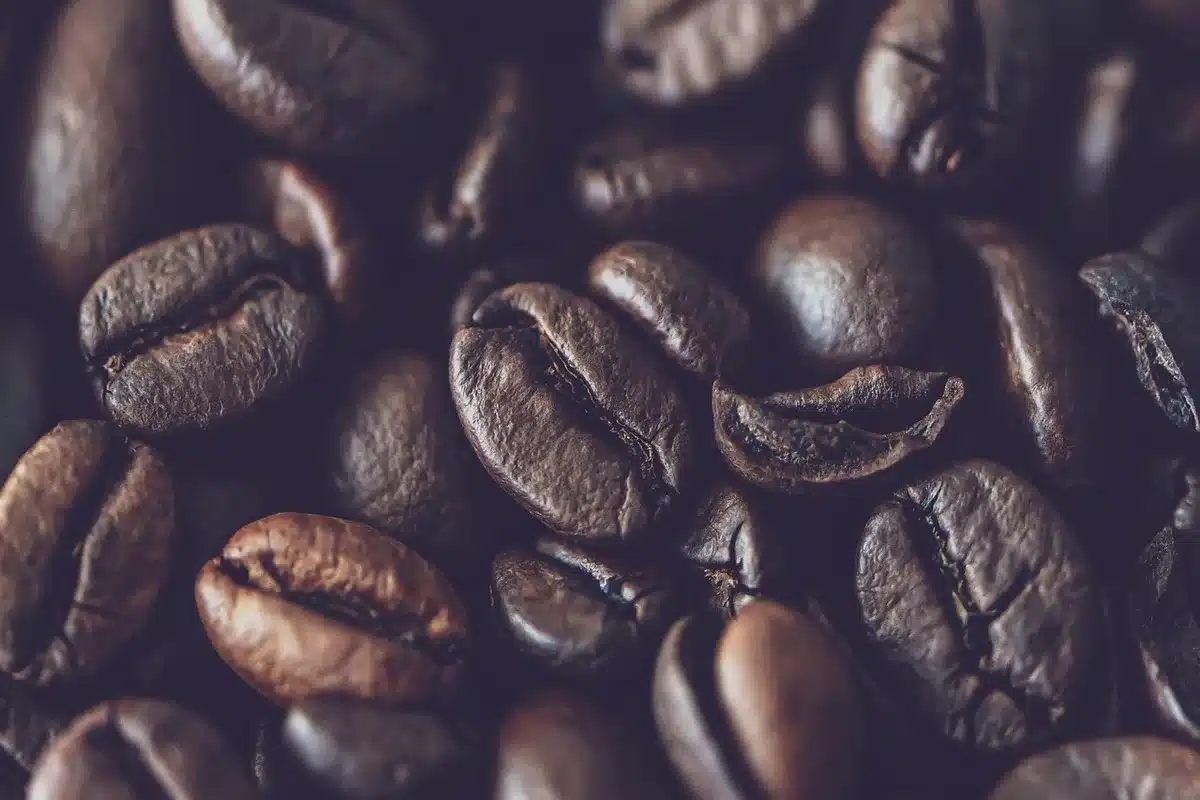
To rank them, Colin assigned grades from A for the best to D for the least convincing. Three coffees earned the top grade: Malongo Pur Arabica Petits Producteurs, Lavazza Espresso 100% Arabica Intensity 5, and Lavazza 100% Arabica Qualità Oro. In his view, these deliver a balanced cup, are reasonably priced, and are widely available. A second group received B grades, including San Marco Pur Arabica Premium, Illy Classico, Méo L’Original Bio (intensity 7), and Super U Pur Arabica — all solid choices.
A number of labels landed in the middle with C grades: Carte Noire Grains Classique, Naturela Pur Arabica, L’Or Absolu Intensité 13, Illy Intenso, and Starbucks’ Blonde Roast. At the bottom of the list, Méo Espresso Torréfaction à l’Italienne and Segafredo Intermezzo Crema received D ratings, largely because their bitterness is too pronounced. Colin also advises steering clear of most other Starbucks whole-bean varieties, which he finds over-roasted, with the exception of the Blonde Roast.
Overall, the conclusion is fairly positive: while supermarket whole-bean coffees rarely match the nuance of a fresh roast from a specialty roaster, a number of supermarket offerings strike a good balance between flavor, price, and convenience. That means you can enjoy a pleasant daily cup without necessarily making a special trip to a roastery.
Similar Posts
- Unlock the Best Coffee: The Key Number to Check on Every Package!
- We Tried Several Coffee Alternatives: Our Favorite Caffeine-Free Option is Under 5 Cents Per Cup
- Revamp Your Sunday Chicken Leftovers with This Unbeatable Recipe!
- Discover the Most Profitable Canned Vegetables Under $1 Each!
- Skyrocketing Prices Turn Everyday Food Into Luxury, Up 46% in a Year

Felix Marlowe manages Belles and Gals’ vibrant social media platforms. With expertise in social engagement and viral marketing, Felix creates content that sparks conversation and keeps followers coming back for more. From celebrity news to trending challenges, Felix makes sure our social media stays at the forefront of pop culture.