He thought he was rescuing a sheep—but it turned out to be something else
This bizarre French customer habit is driving shop owners crazy
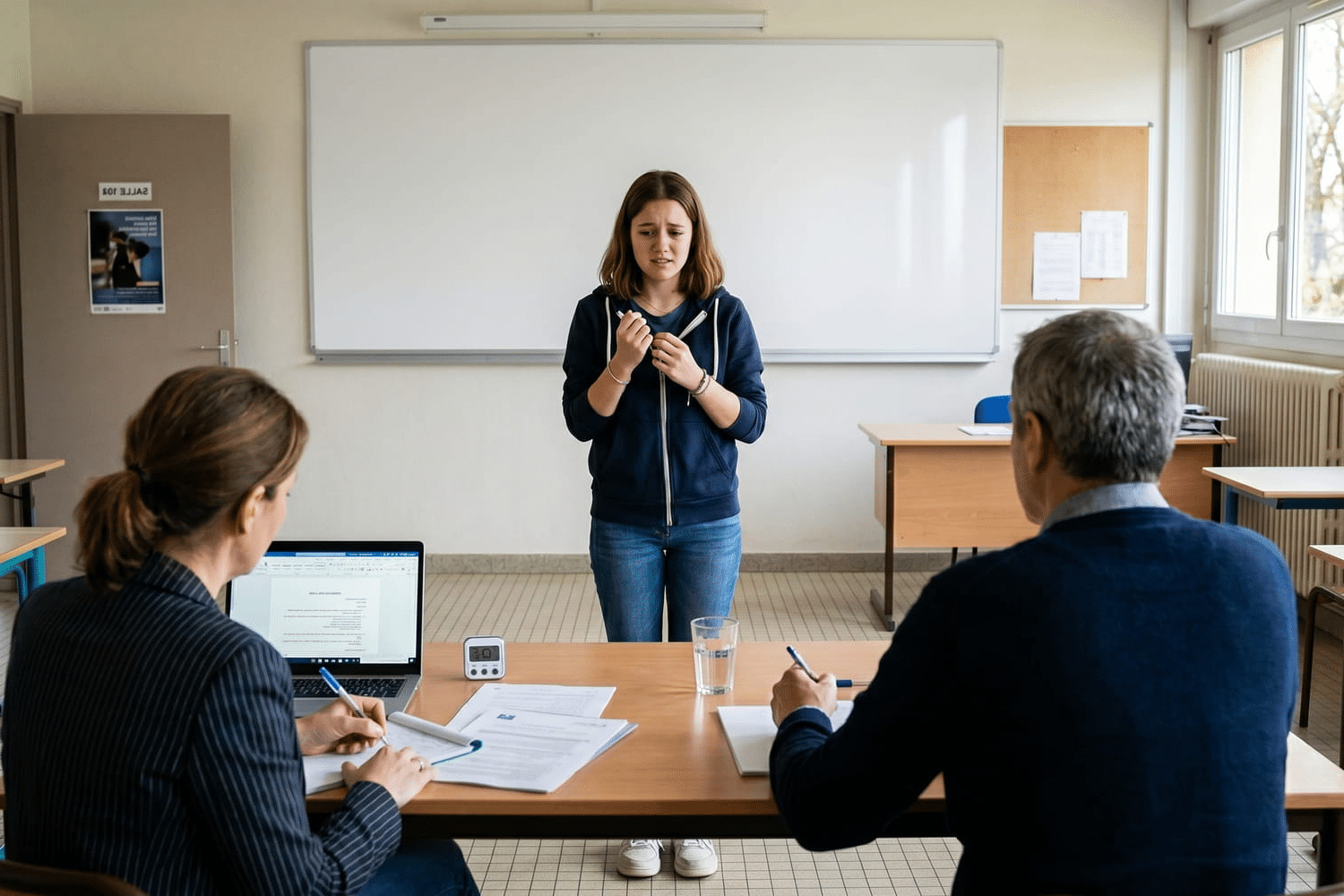
Speaking in front of a panel can be a nerve-wracking experience that quickly causes one to lose their train of thought. Whether it’s the major oral exam, the French oral exam, or make-up exams, there’s no need to panic: here are some practical tips to prevent memory lapses on the big day and manage your anxiety.
The oral exams for the baccalaureate are a significant source of stress, especially for naturally shy students. The 2026 exam schedule is fast approaching; the major oral exam will take place from June 22nd to July 1st for seniors, juniors will also have their French oral exam starting June 22nd (dates may vary by academy), while the make-up orals will occur from July 9th to 11th, for those who did not pass the baccalaureate.
To succeed, it is crucial to express oneself clearly, seriously, and confidently. However, the pressure and fear of failure can quickly overwhelm students on the big day. So, how can one master their nervousness in front of the examiners? Here are our practical tips to stay in control and approach these milestones calmly.
1 – Practicing Speaking Aloud
For the baccalaureate orals, it’s not just knowledge of the subjects that’s important, but also practicing speaking aloud! To help your child prepare, you can review a topic with them as if you were the examiner: in a quiet room, give them a topic, allow them some preparation time, and ask questions.
If these are topics you’re not familiar with, you don’t have time, or your teen prefers not to do it with you, suggest they practice with classmates by organizing an afternoon dedicated to oral exam revisions. You can also advise them to recite their revision cards aloud, alone in their room. The key is that they practice expressing themselves clearly, articulating well, and using simple words they understand.
2 – Planning for Memory Lapses During Orals
Stress can sometimes lead to memory lapses, even if your child knows their subject inside out, and this tends to increase their level of panic. To prevent this from happening on the day of the oral, use mnemonic devices with your child during revision.
The student can create acronyms for a theme or a plan for the oral. They can find idea associations, for example, to remember dates, find someone (a relative or even a celebrity) who was born on the same day to remember it more easily. They can also memorize their revision cards using important words highlighted in bold with a specific color code.
3 – Performing Breathing Exercises
Breathing exercises are very useful during the baccalaureate, as they not only help manage stress, but also aid in concentration. These can be done the night before, or just before going in for the oral!
First exercise: in a quiet corner, the student should inhale and exhale slowly, emptying their lungs several times until they feel a bit calmer.
Second exercise: to calm down, inhale through the nose for 4 seconds, hold your breath for 4 seconds, exhale through the nose for 4 seconds, and hold your breath again before starting over.
Third exercise: to concentrate, perform the same exercise but with eyes closed and mind clear, for instance during the last minutes of preparation time before facing the examiner.
4 – Learning to Put Things in Perspective
To avoid panicking on the day of the oral, it’s also important to learn to put things in perspective. First, remind them that it’s just an exam and, while important, it’s just one grade among many. As for the fear of not performing well, your child has already done this during the mock exams… There’s no reason they can’t do it again.
As a parent, don’t hesitate to reassure them by reminding them that the examiner is not there to be harsh. On the contrary, many of the teachers conducting the orals tend to be quite supportive. If it helps, they can imagine they’re speaking to someone they already know to feel more confident.
5 – Building Self-Confidence on the Day of the Oral
This is arguably the most important aspect, though not the easiest to implement! Your child needs to have confidence in themselves. Not only will this help keep them from panicking, but it will also make a better impression on the examiner.
Before they go for their oral, remind them of what makes them a good student, tell them you’ll be proud of them regardless of the results, provided they do their best. Finally, help them remember their past successes, the things they’ve accomplished on their own, the times they’ve excelled, whether in their academic journey or in a sports club, for example. Highlighting their skills is indeed crucial to giving them the confidence they need on exam day.
6 – Performing Anti-Stress Massages
Stress can sometimes cause cramps or tremors in the hands or legs. To prevent this, teach your child how to massage their hands or legs to soften their muscles and reduce stress.
Massage exercises: press on the palm of your hand with your thumb and make small circles. To relax, you can also massage your face with the tips of your fingers, starting from the lower part of your face with small circular massages, then moving up to the cheekbones, temples, forehead, and scalp.
Lastly, work on your breathing: place your hands on your stomach and feel it inflate for 5 to 7 seconds. Exhale slowly so it deflates gradually over 5 to 7 seconds. Generally, in stressful situations, enhance your breathing to extend the breath in the abdomen. A stress ball to squeeze in the palm can also prove helpful.
Similar Posts
- French Baccalaureate 2025: Key Dates, Oral Exam, What Works Are Included?
- Ace the 2026 Philosophy Exam: Dates, Scoring Criteria & Essential Tips Revealed!
- Ace Your Bac Exams! Key Dates and Top Tips to Maximize Your Score
- Bac’s Grand Oral Exam Date and Scoring Criteria Revealed!
- Ace Your Finals: Last-Minute Study Tips to Survive and Thrive!

Felix Marlowe manages Belles and Gals’ vibrant social media platforms. With expertise in social engagement and viral marketing, Felix creates content that sparks conversation and keeps followers coming back for more. From celebrity news to trending challenges, Felix makes sure our social media stays at the forefront of pop culture.