NASA issues chilling warning: life on Earth won’t be possible after this date
This bizarre French customer habit is driving shop owners crazy
With several high-profile retailers closing their doors for good, online ads touting rock-bottom prices are popping up everywhere. But shoppers hunting for bargains are often not getting the deals they expect.
The year 2026 has seen a notable wave of store closures across France. Falling purchasing power, persistent inflation and the pressure from online shopping have forced some well-liked retailers to shut locations. Names such as the furniture chain Alinea, the home-decor shops Casa and the footwear brand Minelli are among those whose shutdowns have reshaped the retail landscape in recent months. On October 21, Gifi also disclosed troubling financial news, and according to Libération, the home-goods retailer may face insolvency.
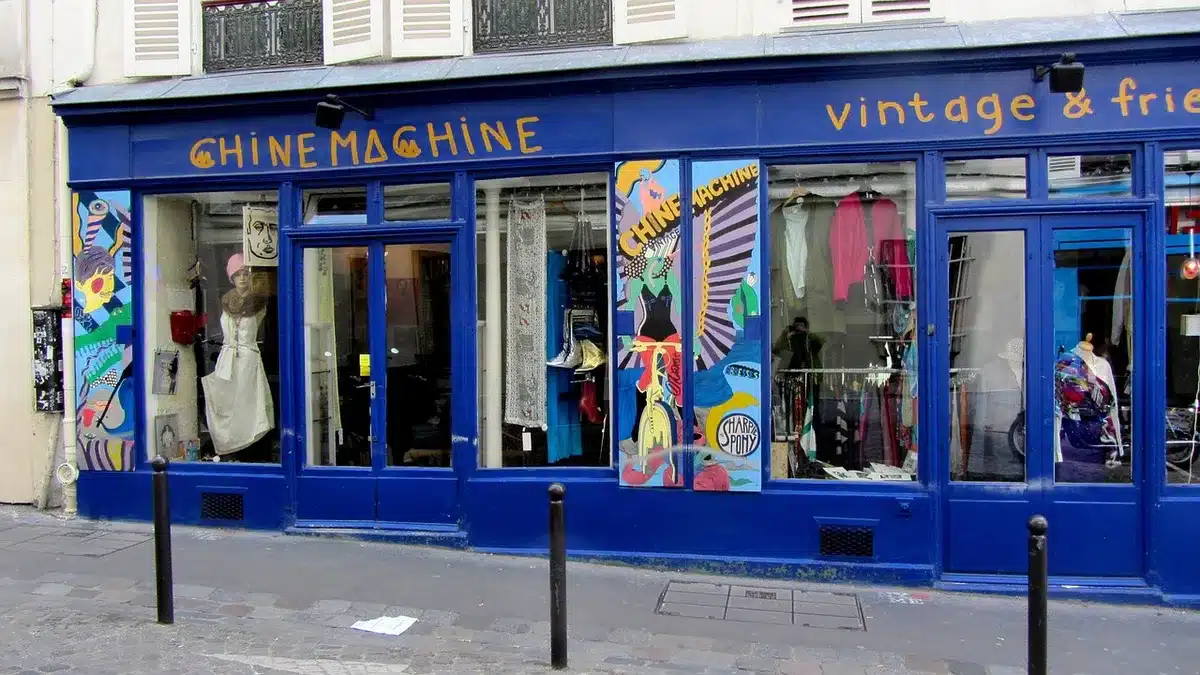
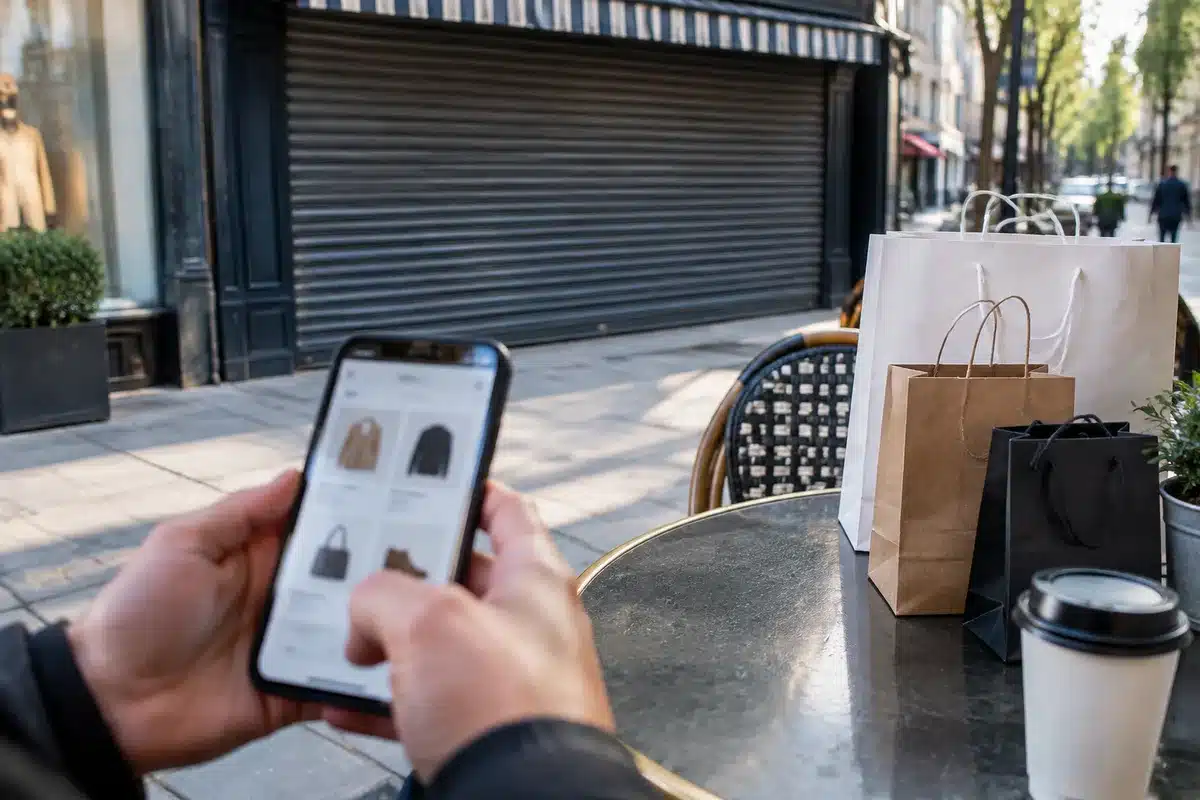
When a brand announces a permanent closure or enters liquidation, shoppers typically react in a predictable way: a rush to score last-minute bargains. Consumers flock to stores looking to take advantage of clearance pricing and deep markdowns intended to clear inventory. That cultural expectation — that a failing retailer means big discounts — makes buyers more ready to accept price cuts at face value, including for items sold online.
Fraudsters take advantage of that lowered guard. They set up sham e-commerce sites that copy a brand’s logo, fonts and product listings, sometimes using artificial intelligence to produce full catalogs and convincing layouts to dupe web users. Laetitia Lamari, an online retail expert speaking to TF1 Info, says scammers exploit the sense of urgency and the widespread idea that stores are closing and need to sell off stock. By advertising discounts of 80% to 90% on furniture or apparel, these fake sites collect payments for merchandise that will never be shipped.

Beyond losing money to a bogus order, the greater risk is the theft of personal information. Entering contact or payment details on such fraudulent platforms exposes buyers to card fraud, unauthorized withdrawals and the resale of their data on criminal networks. To protect yourself, carefully inspect a site’s URL, be skeptical of sponsored ads promising unrealistically large discounts (80%–90%), and avoid proceeding with purchases if something feels off. If you suspect a merchant is fraudulent, report it on the official government platform SignalConso and contact your bank immediately to stop any payments.
Similar Posts
- Up to 60% Off at New Lidl Outlet Stores: Discover Amazing Finds!
- Supermarket Secret: This Subtle Trick Significantly Boosts Your Grocery Bill!
- Unveiled: The Truth Behind ‘Find it Cheaper Elsewhere, We’ll Refund Double the Difference’
- Revealed: France’s Most Overpriced Supermarket, According to Que Choisir!
- Supermarkets Ranked: Which Stores Truly Help French Shoppers Beat Inflation?

Felix Marlowe manages Belles and Gals’ vibrant social media platforms. With expertise in social engagement and viral marketing, Felix creates content that sparks conversation and keeps followers coming back for more. From celebrity news to trending challenges, Felix makes sure our social media stays at the forefront of pop culture.