
NASA issues chilling warning: life on Earth won’t be possible after this date
This bizarre French customer habit is driving shop owners crazy
Where you place a cat’s litter box has a major impact on its well‑being. A feline behavior expert explains why keeping all of a cat’s things in one spot is a mistake.
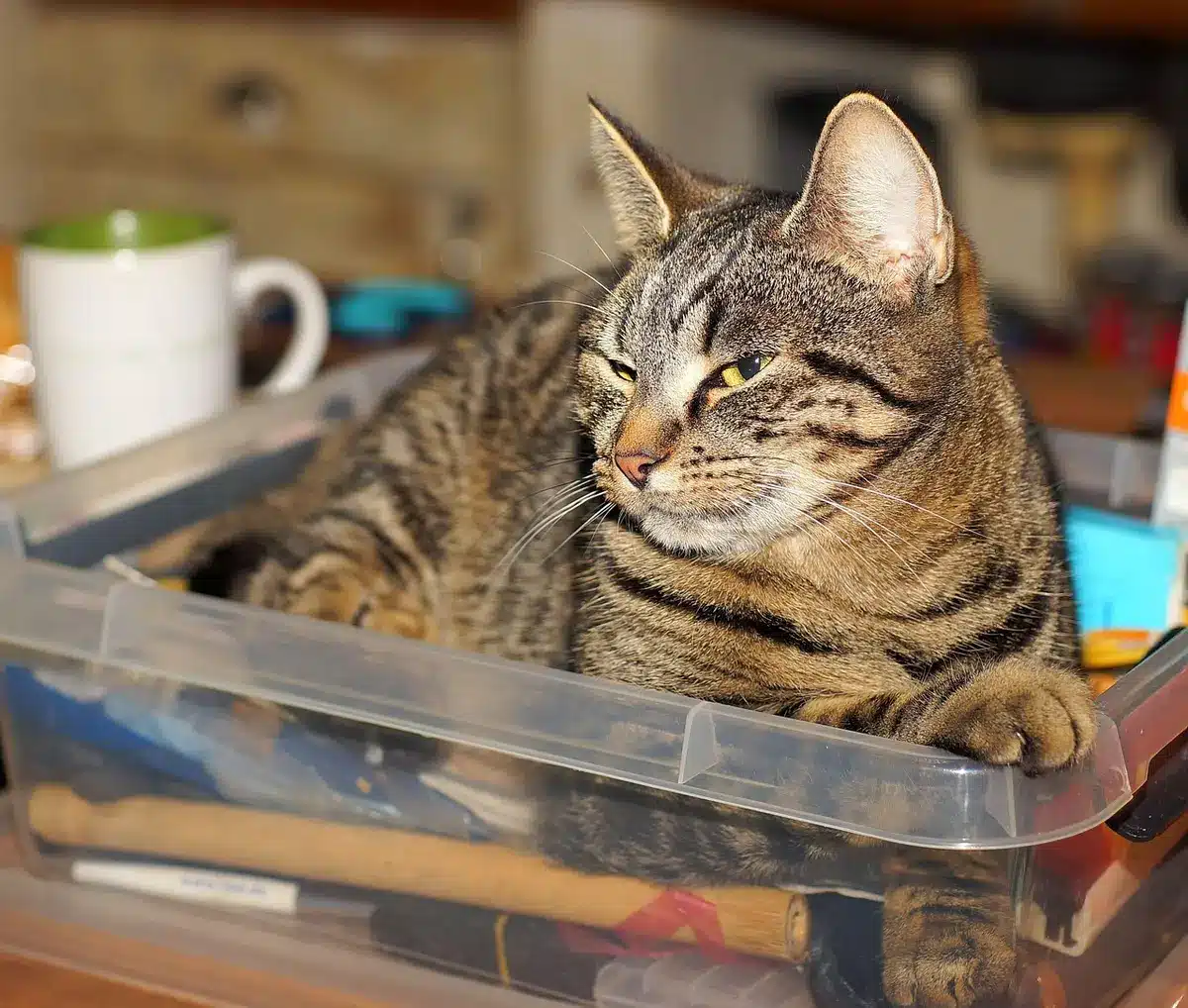
Caring for a cat involves a lot more than feeding and brushing — it also means regular veterinary care and keeping the litter area tidy. Many owners rightly believe that cleanliness is central to a cat’s comfort. Still, managing a cat’s bathroom habits raises behavioral issues that go beyond just scooping the box every day.
A surprising number of cats display signs of stress or develop urinary problems even when their litter boxes appear spotless, leaving owners puzzled. To help households meet their cats’ basic needs, Jackson Galaxy — the animal behaviorist and host of My Cat From Hell — posted his advice on his TikTok account, which has more than 2.1 million followers. He says that home issues usually stem from an under‑equipped environment. Galaxy summarizes a simple numeric guideline: use the “N+1” rule to figure out how many litter boxes you should have.
Put simply, you should have one litter box for each cat plus one extra. “Follow the golden rule for litter boxes: for every cat, provide one litter box, plus one. One cat, two boxes. Two cats, three boxes,” he recommends. But the boxes shouldn’t all sit next to each other in the same room. Cats treat the litter box as a major scent marker of territory. Passing by an area that smells like them gives a cat a sense of security and ownership. “When your cat walks by, it’s a little like you walking past your fireplace and seeing all your family photos,” Galaxy explains. Spreading litter boxes to separate, strategic spots around the home helps cats mentally map their space and can significantly reduce stress.

Many people online report that following this approach improved their cat’s behavior, though others point out practical limitations — especially in small apartments. In a two‑ or three‑room flat, it’s often challenging to place multiple boxes in distinct areas. Some owners also note that their cats end up favoring just one box and ignore the others. Despite those space constraints, behaviorists continue to recommend geographically separating resources as a first‑line solution for resolving litter box issues.
Similar Posts
- How Much Space Does a Cat’s Territory Need? Key Features Explained
- Why Your Cat Follows You Everywhere: More Than Just a Whim!
- 10-Year-Old Cat Finds Himself at a Shelter After Struggling With Litter Box Issues, Waiting for a New Home
- An Expert Reveals How Long It Takes a Cat to Forget Someone
- Which Cat Breed Is Most Aggressive Towards Humans? Study Reveals

Felix Marlowe manages Belles and Gals’ vibrant social media platforms. With expertise in social engagement and viral marketing, Felix creates content that sparks conversation and keeps followers coming back for more. From celebrity news to trending challenges, Felix makes sure our social media stays at the forefront of pop culture.