The Misconceptions of Skin Hydration
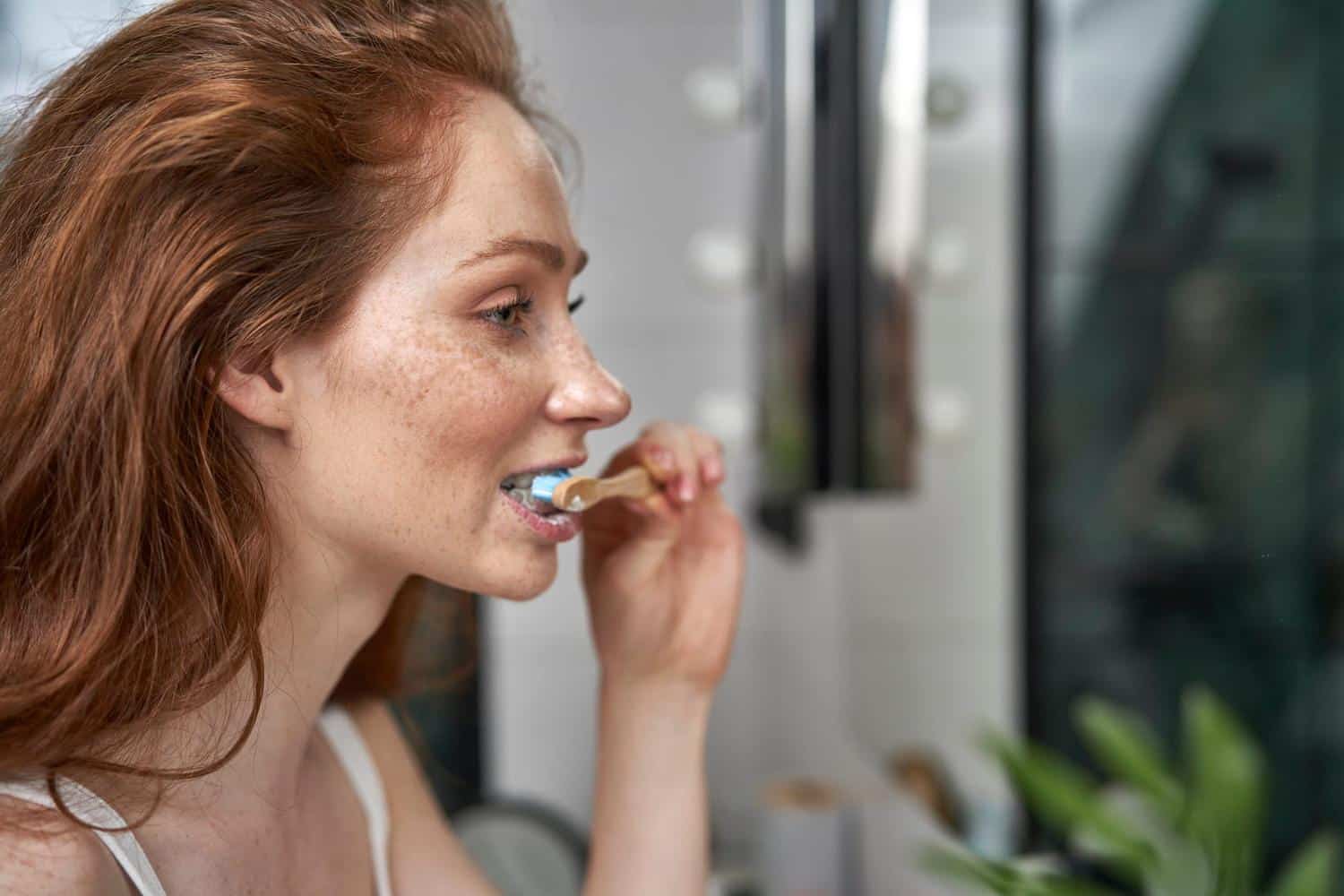
Many of us hold onto beliefs deeply ingrained from childhood, passed down from generation to generation. This is especially true in the realm of beauty, where myths often persist stubbornly despite evidence to the contrary. Common misconceptions include the idea that toothpaste dries out pimples, trimming hair makes it grow faster, and that oily skin doesn’t need moisturizer. However, the list of these beauty myths is quite extensive.
He thought he was rescuing a sheep—but it turned out to be something else
This bizarre French customer habit is driving shop owners crazy
One such ingrained practice, long touted as hydrating and essential for skin health, might not be as beneficial as once thought. According to Dr. Bozica, a scientist specializing in cosmetic formulations and the founder of Dr Beautiology, the notion that drinking more water directly correlates with skin hydration is more complex than it seems. It’s common to hear, “If your skin is dehydrated, you probably aren’t drinking enough water!” Yet, the skin’s relationship with water intake isn’t as straightforward as this statement suggests.
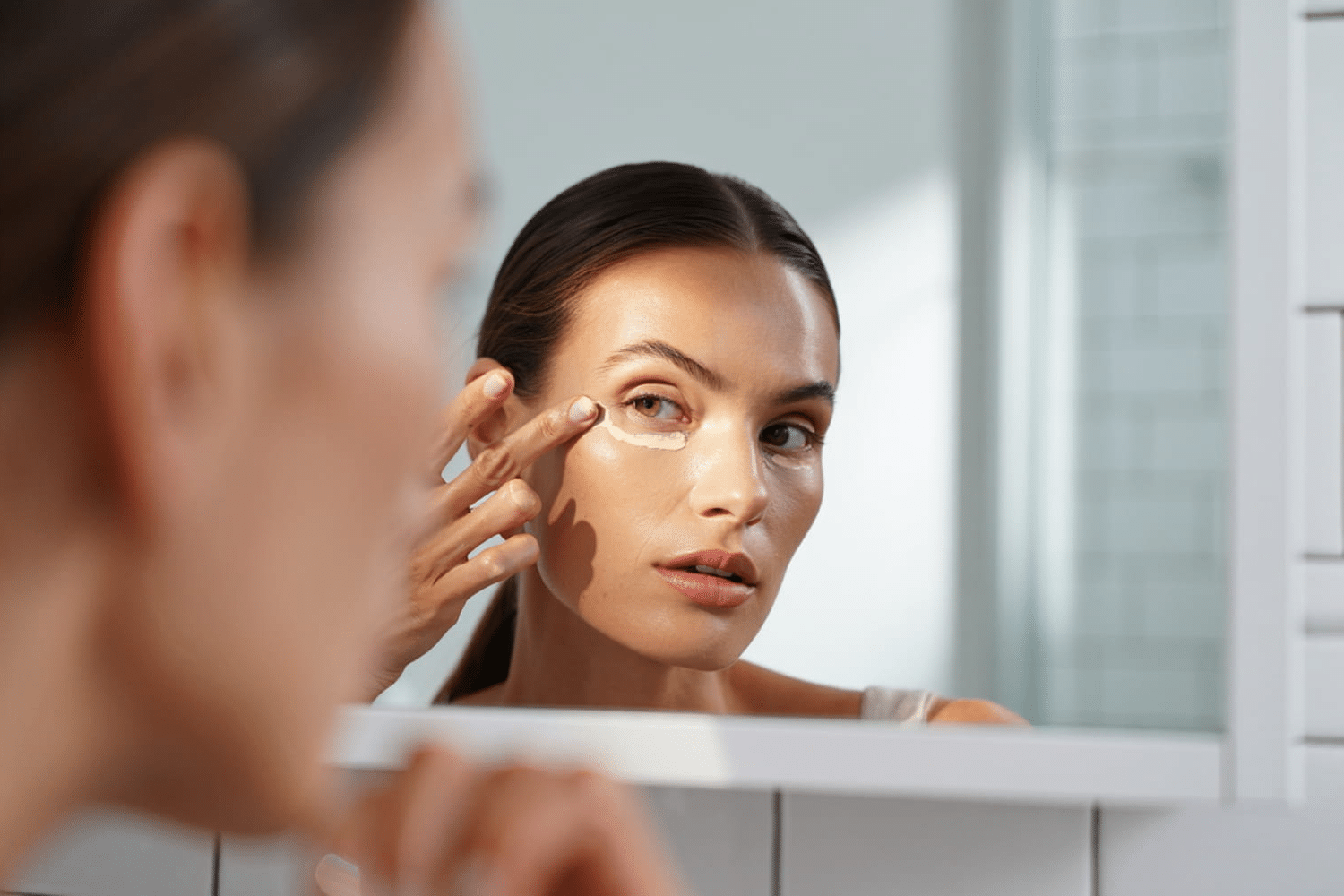
The skin is made up of several layers, with the outermost layer known as the stratum corneum. This layer is crucial in determining the skin’s appearance and its hydration levels. When your skin feels tight and appears dry, it’s this layer that needs attention. “Think of it as a brick wall. The cells are the bricks and the lipids between them are the mortar. A well-built wall keeps water inside; a damaged one does not. Dryness often stems from flaws in this structure, not necessarily from your water intake,” Dr. Bozica explains in an article on Medium. Clinical research indicates that only extremely low water consumption visibly affects the skin, making it somewhat more pliable when water intake is increased. “In one study, women who initially drank little water saw slight improvements after increasing their intake by two liters a day. However, those who were already well-hydrated noticed almost no change,” she adds. Essentially, if the body isn’t dehydrated, drinking more water won’t significantly alter the skin’s appearance.
Hydration: Necessary but Limited
That said, staying hydrated is crucial but its effects have limitations. Water primarily nourishes the deeper layers of the skin, and only a small amount reaches the stratum corneum. Therefore, the condition of the skin’s surface largely depends on its own resources: its lipids and its natural moisture content. As mentioned earlier, much depends almost entirely on the state of the skin’s barrier, or “hydrolipidic film,” which determines the skin’s ability to retain moisture.
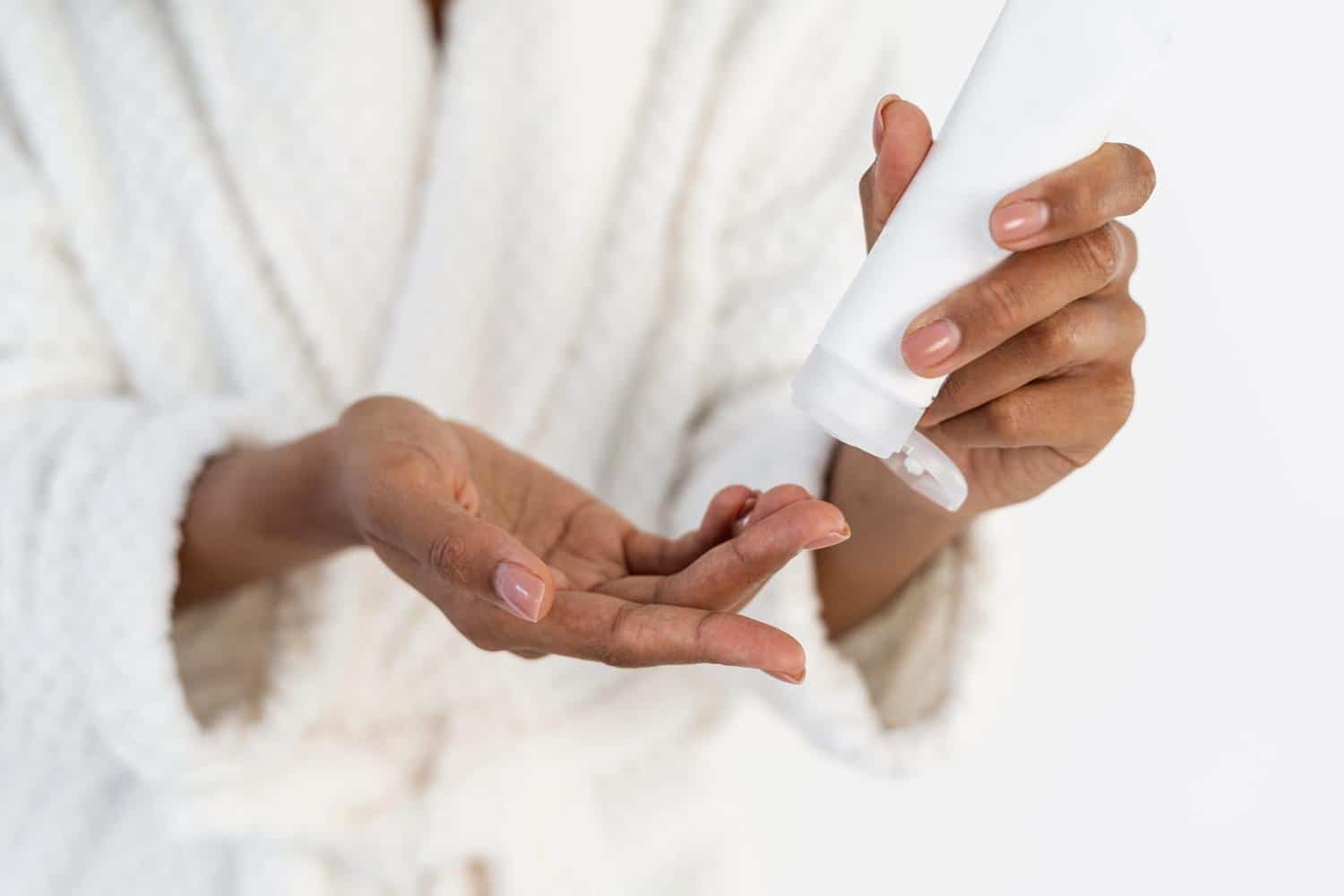
If you find your skin feeling tight and dry, it’s important to focus on reparative and nourishing treatments. Serums, creams, oils—choose your weapons wisely!
Similar Posts
- Dry Winter Lips? This Common Habit is the Culprit!
- Top Beauty Routine Essential Dominating Shelves in 2026!
- Dermatologists Reveal Shocking Skin Changes After Quitting Alcohol — Patients Stunned!
- Unlock a Natural Tan: Top Nutritionist Reveals the Secret to Sun-Kissed Skin
- Get Glowing Skin Fast: Top Tips You Need to Adopt Now!

Ellis McDowell is a trend analyst with a sharp eye for spotting the next big thing in entertainment. With years of experience in digital media and trend forecasting, Nora tracks the movements of influencers, viral content, and entertainment trends. Her insights help shape the stories that captivate our audience.