He thought he was rescuing a sheep—but it turned out to be something else
This bizarre French customer habit is driving shop owners crazy
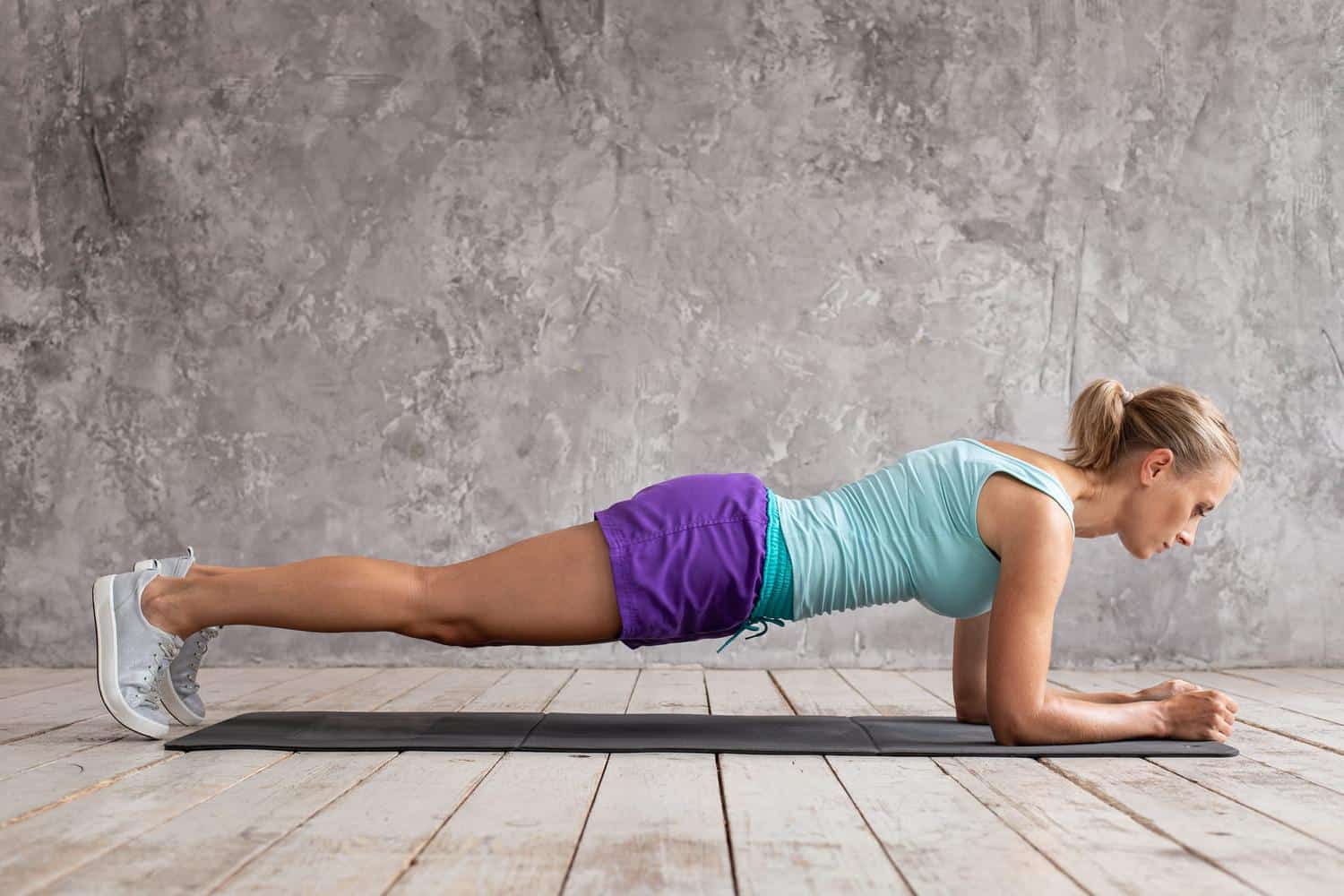
While the plank has long been hailed as the go-to exercise for strengthening the core, it’s not without its detractors. Some find it too static, others find it uncomfortable, but a more accessible and tolerable alternative exists.
The plank continues to hold a strong reputation in gyms and home workout programs. It requires minimal space, no equipment, and is effective for toning the body. However, in reality, it’s not always the optimal choice. Holding the position can tire the shoulders, strain the wrists, or worsen lower back tensions when the posture deteriorates. This is often when the exercise loses its effectiveness: once the hips sag or the back compensates, the core engagement becomes less precise.
Consequently, many fitness professionals are now looking beyond traditional exercises. Their focus isn’t solely on “holding” anymore, but on strengthening the core in ways that mimic everyday movements. Activities such as walking, bending, carrying a bag, climbing stairs, or standing up from a chair all require one thing: moving the arms and legs while keeping the body’s center stable. Therefore, a good abdominal exercise should also enhance this coordination.
Trainers also emphasize another point: visible abs aren’t solely the result of a miracle exercise. Consistent training, regularity, sleep, and proper diet are crucial. However, certain movements are better at engaging the deeper muscles, those that support the spine and improve posture. As a result, the abdomen appears firmer, the waist more defined, and the overall silhouette more balanced.
The targeted muscles include the rectus abdominis, often linked to the “six-pack”, and the transverse abdominis, a deep muscle acting like a natural belt. The obliques are also involved, as well as the lower back muscles and those around the pelvis. This group plays a critical role in overall stability. When strengthened, movement improves, less strain is placed on certain areas, and balance is better managed, which also makes other physical activities more effective for slimming down.
When compared to the plank, the most frequently mentioned alternative checks several boxes: it deeply engages the abs, is easier on the wrists, suits beginners well, and remains relevant for experienced athletes. It is also favored by Pilates enthusiasts, who see it as an excellent way to strengthen the core without excessive impact. This exercise is the dead bug. It is performed lying on the back with legs raised at a 90-degree angle and arms extended towards the ceiling, then involves extending one arm and the opposite leg while keeping the abs engaged and the lower back in contact with the floor.
The movement is performed slowly, one side at a time. Three sets of 10 to 15 repetitions per side is an effective routine. Once the technique is mastered, small dumbbells or ankle weights can be added. Less dramatic than a timed plank, the dead bug especially meets what many coaches are currently seeking: a firmer abdomen, a better-held waist, a more stable body, and an exercise that you want to repeat the next day.
Frequency also matters. Experts remind us that a non-traumatic movement can be incorporated several times a week, or even daily depending on the level and total volume of training. A few well-executed sets are often more valuable than a long, imprecise session.
Similar Posts
- Discover the Gentle Sport Physical Therapists Recommend for Easing Back Pain After 60
- Achieve a Flat Belly with This Yoga Pose, as Effective as 100 Crunches!
- The top 3 exercises to firm up your arms after 50
- Weight Loss: The Best Sport to Burn Belly Fat After 50
- Discover Tai-Chi: Gentle Martial Art for Body and Mind!

Ellis McDowell is a trend analyst with a sharp eye for spotting the next big thing in entertainment. With years of experience in digital media and trend forecasting, Nora tracks the movements of influencers, viral content, and entertainment trends. Her insights help shape the stories that captivate our audience.