
He thought he was rescuing a sheep—but it turned out to be something else
This bizarre French customer habit is driving shop owners crazy
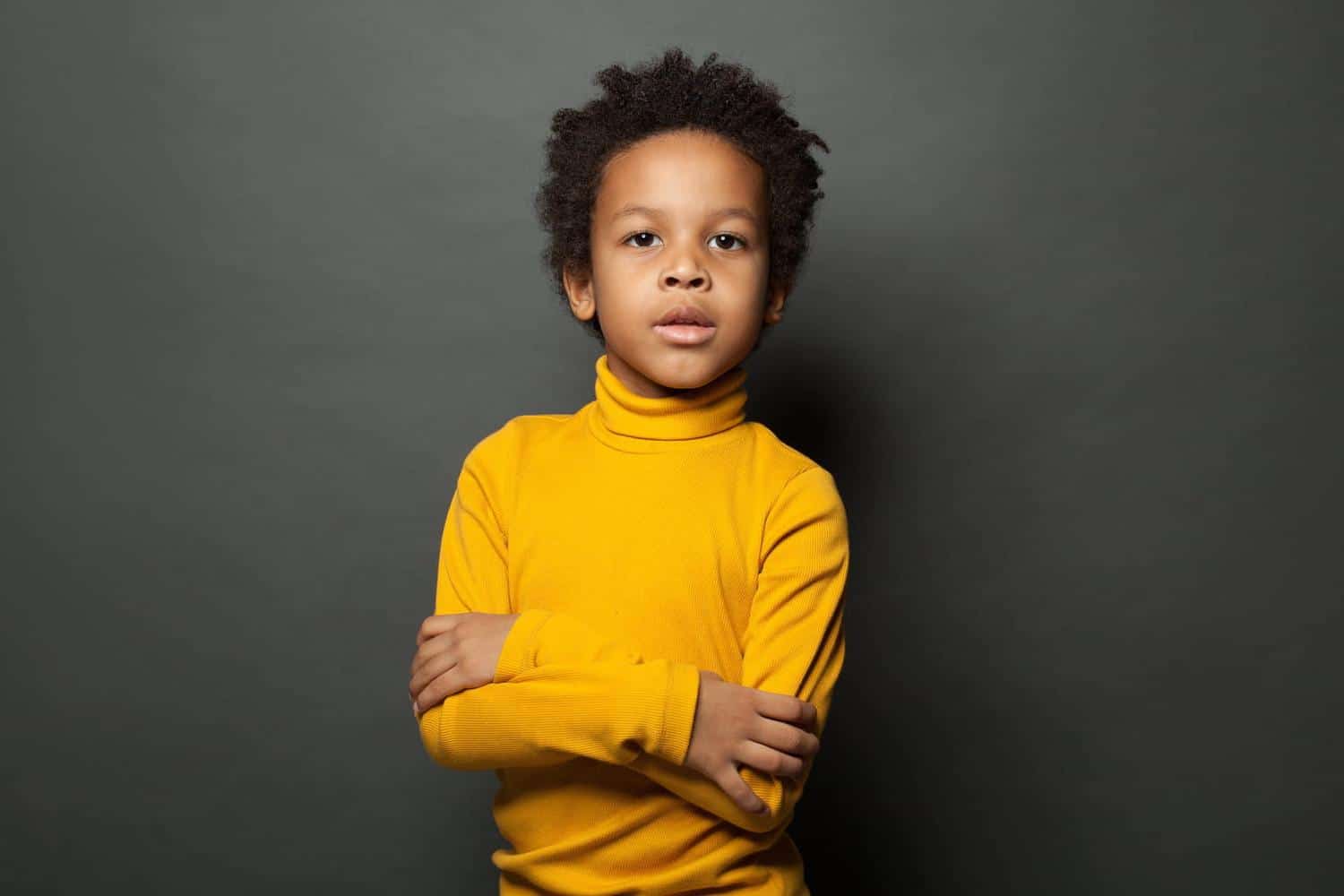
Everyone strives to act in a manner consistent with their true self, regardless of the situation. This principle, felt almost as a duty, is often ingrained early in gifted children.
When they behave in a way that unexpectedly displeases those around them or express ideas that seem questionable, they are not inclined to offer excuses they themselves don’t believe in. It would embarrass them to seem as if they’re attempting to deceive their family, often their parents, with arguments they know to be flawed or weak. They would also be uncomfortable appearing to treat others as too naive or gullible to accept these unlikely explanations, fearing it would distort the relationship between parents and children, where misunderstandings are always just around the corner despite everyone’s best intentions.
Furthermore, the key is the self-image one builds. Too many compromises can weaken the foundations of this image, risking it crumbling at the first challenge. The only way to maintain a robust self-image, capable of withstanding storms, is to avoid making excuses for actions that don’t fully align with expected or appropriate behavior.
From a young age, children recognize when they haven’t behaved as they should, except those who are caught in a desire for omnipotence: it skews all their reactions and leaves them blind and deaf, stripping them of judgment, or else they couldn’t endure the demeaning self-image they project. Instead, those who are more mature, perceptive, and realistic quickly learn to overcome the temptation of believing themselves to have absolute power, especially when they can’t even tie their shoes amid such twisted challenges. Throwing tantrums feels beneath them.
It is far better to behave in a way that matches the image of an observant and serious child, already contributing to the household’s smooth running: they may be small and uninformed, yet they are present and absorb a tremendous amount of knowledge through this open attitude. They relish the positive feedback they receive, ensuring a solid construction of their self-image.
All traits of gifted children combine to make this self-consistency a crucial part of their identity; they cannot tolerate internal contradictions, needing this harmony as if it were part of a roadmap guiding them for a long time. Thus, it would be impossible for them to join a group of bullies; they are more likely to defend the bullied, although sometimes they find themselves being bullied without understanding how they fell into such a dreadful trap.
Only in extreme cases do they allow themselves to lie, perhaps to avoid betraying a friend. They are generous, altruistic, and attentive, even though they are also passionate and impatient; in truth, they couldn’t act any other way. They wouldn’t be able to bear seeing themselves as selfish, self-centered, or as complainers who blame others for their misfortunes to excuse reprehensible behavior.
For gifted children and the adults they become, it is crucial to always stay true to oneself; any discord can seem unbearable and almost painful. This alignment is essential: gifted children face so much misunderstanding, their reactions, words, and perceptions are so often misinterpreted that they must avoid any dissonance within themselves, resisting the sweet temptation to blend in, for they would no longer recognize themselves in the image reflected back at them.
It would be like looking into a distorting mirror where one can still recognize something of oneself through a faint resemblance or blurred features, but so altered they might almost seem like a caricature. Thus, it is only by refusing to betray their personality with its impulses, tastes, and preferences that they can develop a personality that reflects them as accurately as possible. The words defining gifted individuals: harmony, coherence, apply here in all their dimensions.
When someone performs a heroic act, vital under certain circumstances, they are often told they could have done no differently. They acted with rapidity, certainty, and intelligence in the moment, such as in a rescue scenario. For instance, a skipper who veers off his victorious course to save a distressed rival and friend exemplifies this coherence. Had he remained indifferent, he would have borne the weight of his selfish cowardice for life.
Spinoza wrote in the Ethics: “happiness consists for man in being able to preserve his being”, which underscores the importance of this fidelity to oneself. Sometimes, peers try to dissuade someone from adhering to this principle: it may pose risks, waste time, miss opportunities, or upset important individuals. There are always countless reasons to retreat with the cleanest conscience.
This fidelity to oneself is demanding, but it is a fundamental characteristic of gifted individuals.
Advice: Generosity and attentiveness to others are commendable traits, but one should be wary of encouraging a rigidity that doesn’t allow for the slightest failures, to the detriment of personality development and sometimes the future when the demand for perfection calls for unnecessary sacrifices, as subsequent events may prove. One must also remain critical and insightful to defend against those who see this fidelity as a weakness to be exploited mercilessly.
Similar Posts
- Once a Cheater, Always a Cheater? Study Gives a Definitive Answer
- Curbing the ‘All-Powerful’ Attitude in Gifted Kids: Essential Tips!
- Pushing Limits: The Challenge Faced by Gifted Children
- Unlocking the Potential: The Freedom of Gifted Children Unleashed
- Warning Signs: How Tender Gestures Can Signal Manipulative Behavior

Felix Marlowe manages Belles and Gals’ vibrant social media platforms. With expertise in social engagement and viral marketing, Felix creates content that sparks conversation and keeps followers coming back for more. From celebrity news to trending challenges, Felix makes sure our social media stays at the forefront of pop culture.


