He thought he was rescuing a sheep—but it turned out to be something else
This bizarre French customer habit is driving shop owners crazy
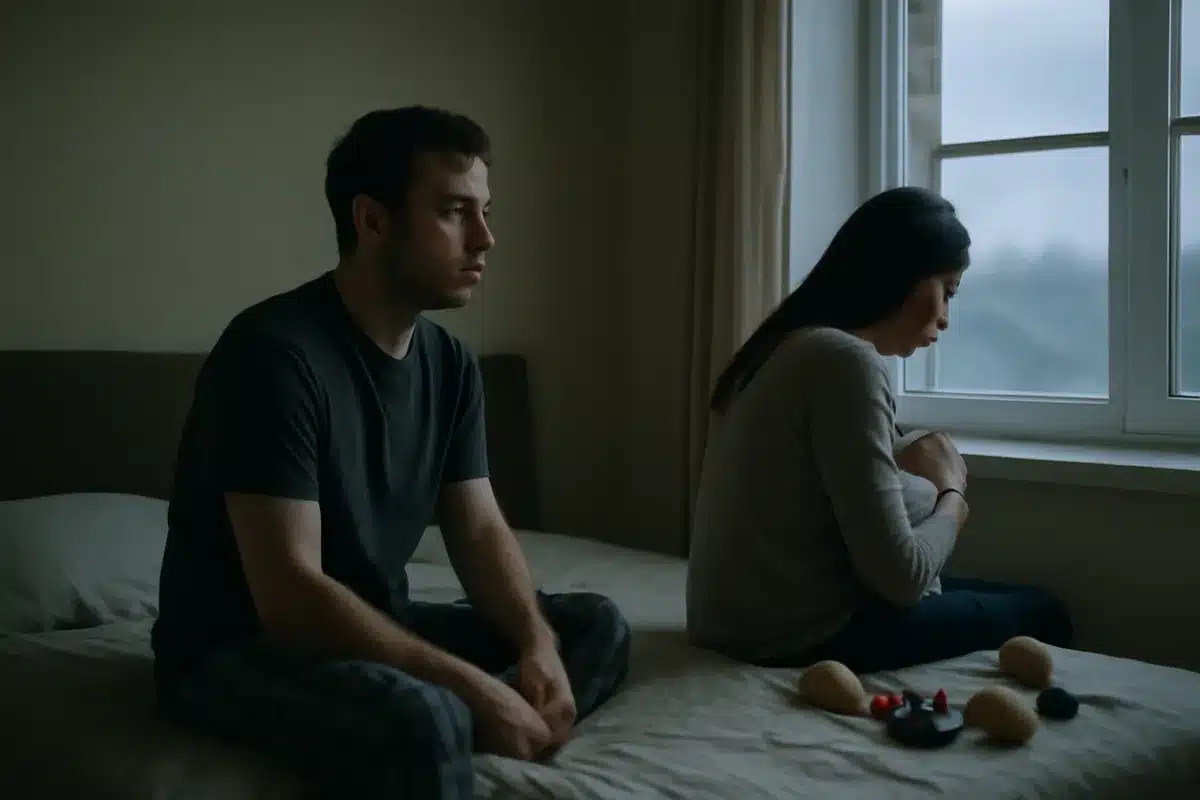
He may not shout, but he is constantly complaining. Noise, meals, others—everything becomes a reason to grumble. Over time, this atmosphere wears on the relationship and can weigh heavily on the couple. Here are some solutions.
As the years of living together accumulate, what was once tolerable can become increasingly difficult. “He grumbles, but it’s part of his charm,” one might say at 20. At 60, it’s a whole different story. This trait turns out to be a real flaw, making it very challenging to endure a grumbling spouse. A complaining partner isn’t recognized so much by how loud they speak but by how often they express grievances. It’s not necessarily about loud, explosive anger, but rather a persistent dissatisfaction. Simply put, he’s never happy. “We talk about chronic complaining when the grievances become repetitive,” explains Marine Duteil, a hypnotherapist trained in systemic therapy. Here are her tips for managing a life partner who grumbles far too often for our liking.
The first thing to understand is that, contrary to appearances, the complaint itself is not always the real issue. He complains about the noise, “the TV is too loud,” the mess, “I can’t find my keys,” money, “everything’s getting more expensive, we need to spend less,” meals, “it’s too hot, too cold, undercooked, lacks salt…” and others, “the neighbor’s kids are too noisy.” Behind these commonplace complaints often lie three things. It could be the mode of communication he learned early on in childhood. “In some families, complaining is a way to exist or connect,” our expert reminds us. In such cases, it’s common to find other complainers in his family. Alternatively, his complaints may reflect an unexpressed need: he might need recognition, connection, security… Or, complaining could be a form of emotional protection. “We haven’t always learned to express sadness or vulnerability. Instead of saying they feel hurt or overwhelmed, some men will grumble.” In other words, it’s not the complaint that matters, but what it’s trying to communicate.
When faced with a grumbling husband, the temptation is strong to do more to avoid criticism. “Many women will overcompensate by taking on more tasks or trying to constantly soothe,” observes Marine Duteil. Others justify, downplay, or remain silent to prevent escalation. The issue is that these strategies perpetuate the dynamic. “As long as we don’t understand what these complaints are trying to express, the situation repeats itself.” Another trap: falling into a parental role. Criticizing, punishing, or mothering your partner sets up an unbalanced relationship. “The idea is to stay in an adult-to-adult relationship.”
Enduring a grumbling husband doesn’t mean accepting everything. The first step is to not respond in kind. “Speak using ‘I’ statements rather than ‘you’ statements,” advises the therapist. Say, “When I hear these constant complaints, it hurts me,” rather than “You’re always grumbling.” Expressing your feelings helps avoid accusations and breaks out of the defensive cycle. Adopting a posture of curiosity can also help: seeking to understand the other person’s perspective, rephrasing, and acknowledging the emotion without endorsing the behavior. “Often, behind the complaints, there’s a need to be understood,” the therapist reiterates. You can ask your husband if something is troubling him at the moment.
“That’s just the way I am” is Not an Acceptable Excuse
Setting boundaries with your partner is also crucial. Some couples agree on a word or a signal when the situation becomes too overwhelming. The goal isn’t to silence the other person, but to preserve the relationship and your own well-being. If communication breaks down, if each person remains stuck in their role, or if grumbling becomes an identity (“that’s just the way I am”), seeking professional help can be beneficial. “The act of grumbling is never an identity. It’s a behavior,” Marine Duteil reminds us.
And the partner doesn’t have to endure it at the expense of their own well-being. Because grumbling never involves just one person. It’s part of a relational dynamic: the way the other responds can either soothe or amplify it. Sometimes, the one who grumbles also highlights an imbalance within the couple. Thus, grumbling is not inevitable. It can be addressed—if one is willing to talk about it and explore what it reveals about the relationship.
Similar Posts
- 10 Relationship Complaints That Could Spell Doom: What They Really Mean
- Is Your Husband a Penny Pincher? Here’s What You Can Do!
- How to Deal With a Selfish Man? Essential Tips Revealed!
- Warning Signs: How to Tell If Someone is Using You, Not Valuing You Properly!
- Living Apart Saved Their Marriage: “We Rediscovered the Joy of…”

Nora Caldwell brings over a decade of experience in entertainment journalism to the Belles and Gals team. With a background in celebrity interviews and TV critiques, Avery ensures that every story we publish is engaging and accurate. Passionate about pop culture, they lead our editorial team with creativity and precision.