
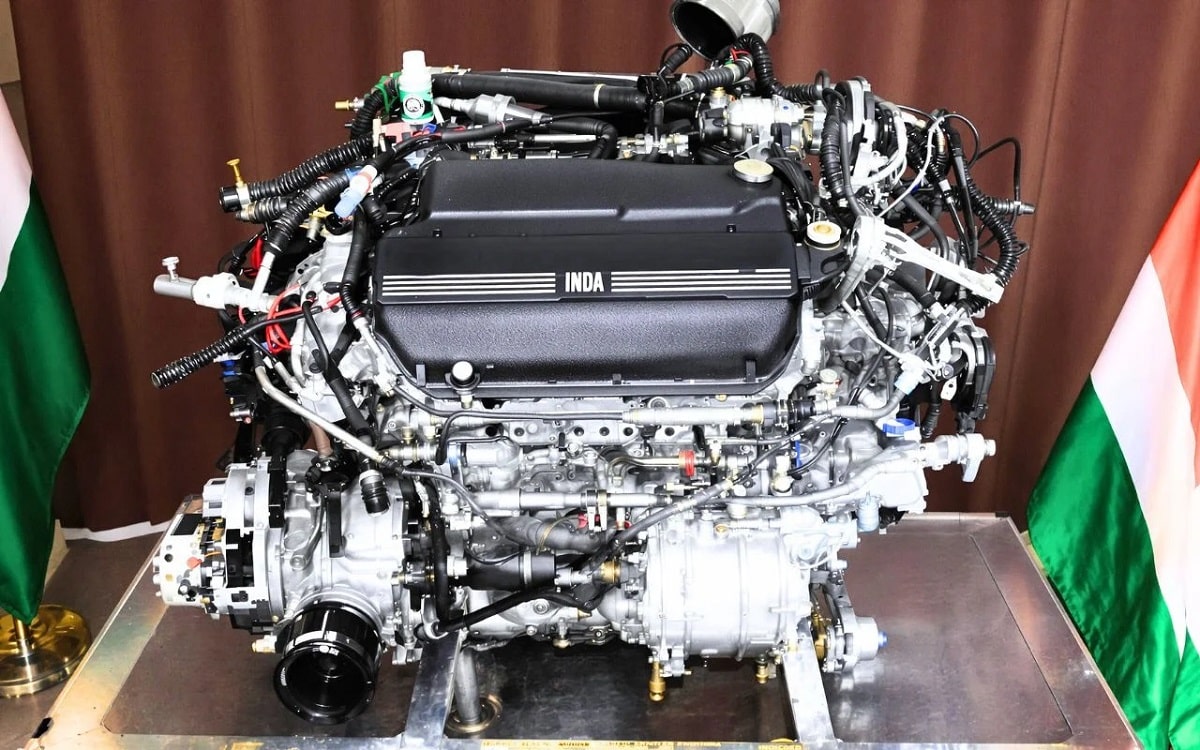
While the world’s carmakers are busy debating whether electricity or hydrogen will power the vehicles of the future, India has quietly thrown a third option into the race: ethanol. The country has just unveiled its first engines capable of running entirely on alcohol, a bold move that could reshape the conversation around clean transport.
He thought he was rescuing a sheep—but it turned out to be something else
This bizarre French customer habit is driving shop owners crazy
Backed by India’s transport minister Nitin Gadkari, the initiative isn’t a niche experiment. Automakers are already developing cars and motorcycles that can operate on 100% ethanol, presenting them as cheaper, greener and better suited to India’s agricultural economy.
Why ethanol, and why now?
Unlike petrol, pure ethanol burns more cleanly, cutting harmful emissions such as carbon monoxide and fine particles. It’s also derived from crops like sugarcane, corn and molasses, meaning it ties directly into the rural economy. Instead of relying on imported oil, India could redirect demand to its farmers, giving them a new revenue stream while tackling pollution at the same time.
Supporters say ethanol engines can even outperform their petrol counterparts, offering efficiency without the dependency on fossil fuels. For a country that spends trillions of rupees each year importing oil, the potential benefits are massive.
Big names, bigger ambitions
It isn’t just a local experiment. Tata Motors and Suzuki are already developing flexible-fuel cars that meet tough emission standards like Europe’s Euro 6. Gadkari has even described ethanol-powered vehicles as “zero emission” when compared with traditional petrol cars.
And it’s not only Indian firms pushing the idea. In 2023, Toyota unveiled a prototype Innova HyCross that can run entirely on ethanol, meeting India’s BS VI standard. The car combines ethanol with electricity, using biofuel for around 40% of the distance and electric power for the rest. The plan is to scale this into mass production, showing Toyota’s commitment to a multi-pronged approach to clean mobility.
Farmers at the heart of the revolution
Perhaps the most striking aspect of India’s ethanol strategy is who it benefits most: farmers. By describing ethanol as “swadeshi” (indigenous), Gadkari has highlighted how this technology could give rural communities a direct stake in the green transition. Instead of being left behind, agriculture would become a core driver of India’s automotive future.
For a farmer supplying sugarcane or corn, this means more than just fuel—it means demand, stability and potentially higher incomes. The link between clean transport and rural prosperity makes ethanol a politically powerful solution as well as an environmental one.
Towards energy independence
India’s push for ethanol is about more than cars—it’s about control. By cutting reliance on fossil fuel imports, the country is aiming for greater energy independence, all while boosting its domestic economy.
Globally, flexible-fuel vehicles are already carving out market share, with models like the Toyota Corolla offering ethanol-compatible versions since 2022. Now India wants to claim its place as a leader in the sector, betting that ethanol will prove more practical than waiting for hydrogen to scale or for EV charging networks to reach every corner of the country.
A three-way race for the future
For years, the automotive industry has pitched the future as a duel: EVs vs hydrogen. India has just added a third contender to the ring. Whether ethanol becomes a true global alternative remains to be seen, but one thing is clear—New Delhi is determined to drive its own path, one that ties technology, farming and energy security together in a way few other nations can match.
Similar Posts
- The World’s First Eco-Friendly Engine: 440 HP with Zero Emissions
- Electric cars are being replaced every 3 years – what this study reveals is surprising
- Auto Scam Alert: These Cars Fail on Every Front!
- 2,500 km EV Road Trip Proves Diesel Still Rules the Road
- “Electric cars actually greener?”: the surprise verdict from artificial intelligence

Felix Marlowe manages Belles and Gals’ vibrant social media platforms. With expertise in social engagement and viral marketing, Felix creates content that sparks conversation and keeps followers coming back for more. From celebrity news to trending challenges, Felix makes sure our social media stays at the forefront of pop culture.


