

Last summer, I wandered through the weathered stone gates of ancient Hattusa, marveling at the sheer scale of the Hittite capital. Little did I know that, buried beneath those sun-baked ruins, scholars have just uncovered a breakthrough that rewrites the story of early Indo-European languages.
He thought he was rescuing a sheep—but it turned out to be something else
This bizarre French customer habit is driving shop owners crazy
A Century of Excavation Yields Unprecedented Find
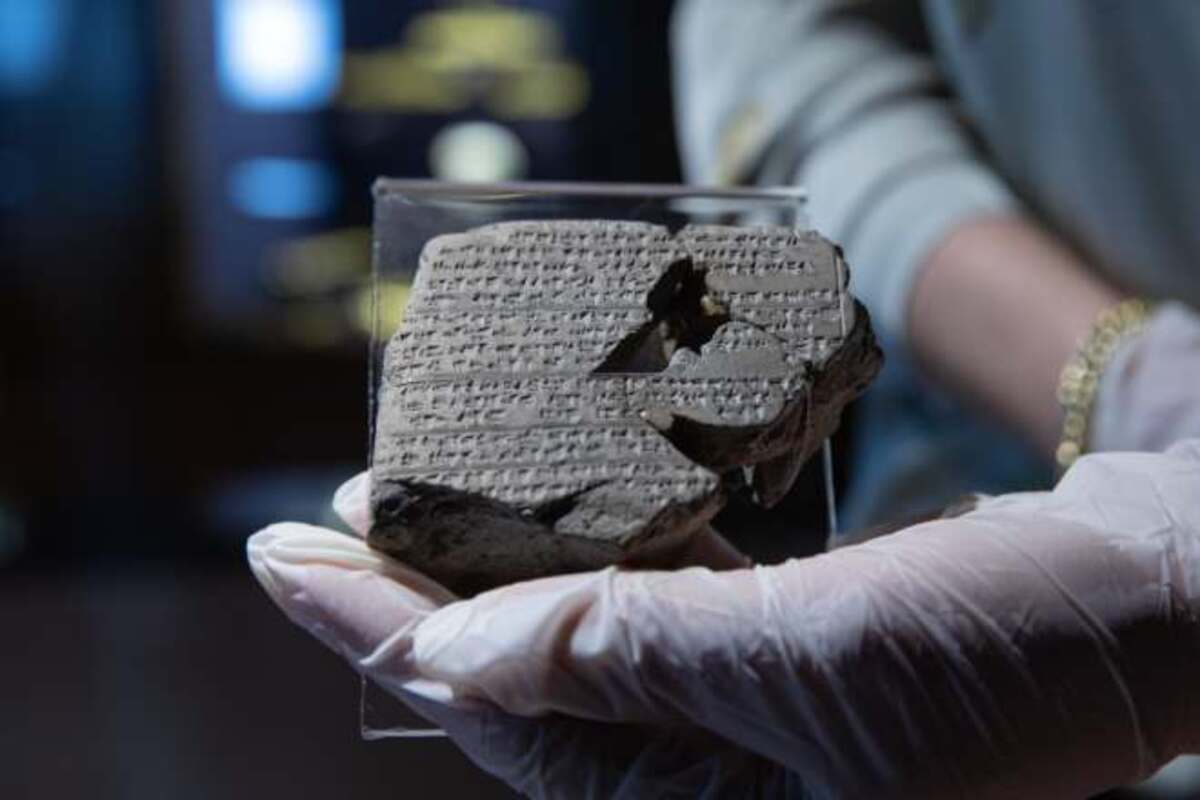
Archaeologists have been unearthing treasures at Boğazkale-Hattusa for over 100 years, gradually amassing some 30,000 clay tablets etched in cuneiform script. Most bear Hittite-Nesite texts—poems, legal codes and ritual instructions in the oldest known Indo-European tongue. Yet, during a recent re-examination using high-resolution imaging, researchers spotted something unexpected: a handful of lines written in a language none of them could place.
“It was like finding an extra chapter in a familiar novel,” said a spokesperson for a leading German research centre. This new tongue didn’t match Hittite, Luwian or any other documented dialect, hinting at a lost language once spoken in the nearby region of Kalašma.
An Unexpected Language Emerges
The discovery came to light when linguists carefully translated a ritual formula and noticed entire sections that resisted standard Hittite grammar. By comparing the unknown passages with the surrounding text, they confirmed it was neither a scribal error nor a code, but a genuine linguistic cousin—or perhaps even a distant relative—of known Indo-European branches.
In a recent issue of Nature Communications, the team noted that this elusive language “opens a new window on the cultural dynamics of Bronze Age Anatolia,” challenging long-held assumptions about which peoples mingled in Hattusa’s courts.
What This Discovery Means for the Future
This find isn’t just academic trivia. It shines a light on the Hittites’ remarkable role as facilitators of cultural exchange, preserving languages and rituals from across their empire. UNESCO recognises Hattusa as a World Heritage Site precisely because of its testimony to early international contacts. Now, scholars believe more undocumented dialects may lie hidden among the tablets, waiting for the right tools to bring them back to life.
For those of us fascinated by history, these revelations remind us that every fragment of clay has a story. As Dr. Mara Schmidt of the European Institute for Ancient Languages puts it, “We’re witnessing the expansion of our linguistic family tree.” And with each fresh insight, the ancient world seems just a little less distant—and infinitely more intriguing.
Similar Posts
- Archaeologists Uncover Surprising Find in Hittite Tablets
- The most common grammar slip-ups we all make—can you spot them?
- 12-Million-Year-Old Gharial Crocodile Fossil Unearthed in Peru
- World’s largest snake discovered : a prehistoric giant shocks scientists
- Discovery of a giant snake—the largest of all time?

Felix Marlowe manages Belles and Gals’ vibrant social media platforms. With expertise in social engagement and viral marketing, Felix creates content that sparks conversation and keeps followers coming back for more. From celebrity news to trending challenges, Felix makes sure our social media stays at the forefront of pop culture.


