He thought he was rescuing a sheep—but it turned out to be something else
This bizarre French customer habit is driving shop owners crazy
According to Consumer Advocacy Group Que Choisir Ensemble (formerly UFC-Que Choisir), tomatoes from this country are particularly affected by pesticide residues.
“Each heat wave reignites the demand for tomatoes,” notes Julie Alves Da Cruz, marketing head at Kultive. This producers’ consortium supplies many of the tomatoes found in French supermarkets, recognizable by their blue-white-red AOPn Tomates de France logo. Grown in greenhouses under controlled conditions, these tomatoes are certified pesticide-free, says the expert. Yet, every year, the French sector must deal with foreign competition. “We can’t compete: while our employees earn 14 euros per hour, theirs make about one euro per hour overseas,” a company executive points out. Naturally, this disparity is reflected in the prices. In stores, some packages drop below one euro, observes Que Choisir Ensemble. But according to the organization, price isn’t the only aspect that suffers: quality does too. “Production standards vary significantly from those in France,” summarizes a Kultive member. Indeed, tests show that certain imported tomatoes frequently contain pesticide residues, including molecules identified as hazardous.
In the fruit and vegetable section, the origin of tomatoes can sometimes be hard to spot. Labels might be misplaced, making the country of origin easy to overlook. Yet, this information is crucial as it also indicates the production methods used. Some countries apply more pesticides than others to these crops.
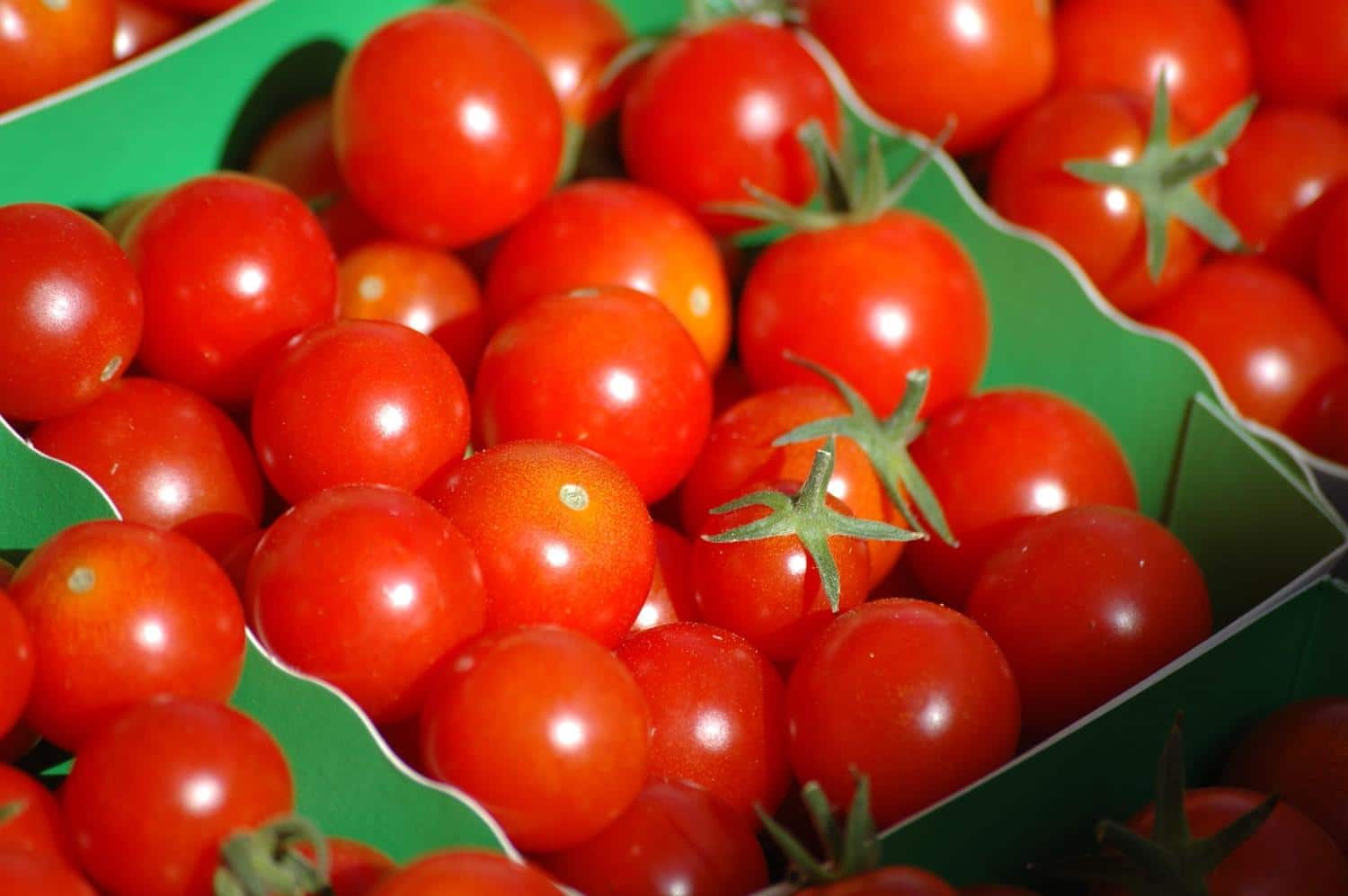
Que Choisir Ensemble highlights this issue in their investigation: over half of the tomatoes grown in Morocco were found to contain pesticide residues. These are often sold in small, cardboard trays, ready to be enjoyed as a snack. In supermarkets, 250g can sometimes be priced as low as $0.99. This appealing price might attract uninformed consumers. However, among the detected substances are molecules recognized by European authorities as potential carcinogens or endocrine disruptors, the group emphasizes. The situation is similarly alarming for conventional Spanish tomatoes: “80% of the Spanish tomatoes tested showed multiple pesticide residues,” the experts report.
To minimize exposure to pesticides, the association advises consumers to carefully check the origin of tomatoes before purchasing. French tomatoes, whether organic or guaranteed pesticide-free, remain the safest options according to experts.
Similar Posts
- Discover the Best French Strawberry Jam, as Recommended by UFC-Que Choisir!
- How to Remove 90% of Pesticides from Your Fruits and Vegetables in Two Simple Steps ?
- Before Buying Valentine’s Day Flowers, Discover Which Have the Most Pesticides!
- Consumer Reports: This Store Brand Tea Outshines Lipton and Éléphant!
- Discover Why the Tastiest Tomatoes Always Share This Shape!

Felix Marlowe manages Belles and Gals’ vibrant social media platforms. With expertise in social engagement and viral marketing, Felix creates content that sparks conversation and keeps followers coming back for more. From celebrity news to trending challenges, Felix makes sure our social media stays at the forefront of pop culture.