
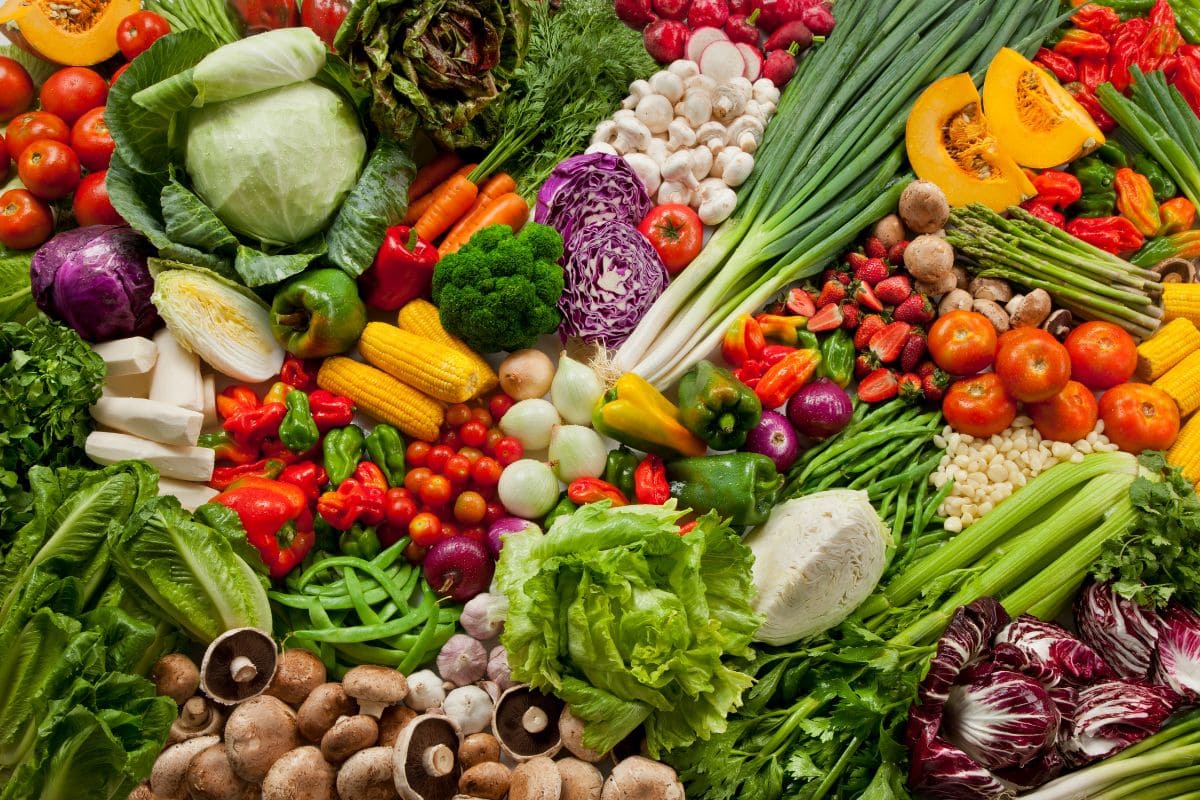
When it comes to eating healthier and making better food choices, many of us lean towards organic fruits and vegetables. But with their often higher price tags, deciding which items to prioritize can be a challenge. Knowing which produce items are most heavily treated with pesticides can help you make smarter decisions.
He thought he was rescuing a sheep—but it turned out to be something else
This bizarre French customer habit is driving shop owners crazy
Which Vegetable Tops the List of Pesticide Contamination?
A well-known American organization, the Environmental Working Group (EWG), recently conducted an extensive study to identify the fruits and vegetables most contaminated with pesticides. The study analyzed 46 commonly consumed varieties, providing insight into what might be lurking on your plate.
At the top of the list is a familiar kitchen staple: spinach. This leafy green, rich in fiber and water, absorbs pesticides at a higher rate than most other vegetables. Picture this: you toss a handful of spinach into your smoothie, thinking you’re making a healthy choice, but it could be laced with pesticide residues. To reduce your exposure, it’s best to pick organic spinach when shopping.
Following spinach, kale (or its trendier cousin, kale chips) takes second place, with bell peppers—both red and green—landing in third. If you enjoy the crunch of a fresh bell pepper or the health kick of a kale salad, consider going organic for these as well.
On the fruit side, strawberries are the most pesticide-laden. Sweet and vibrant, they’re a summer favorite, but they often come with hidden chemicals. Next in line are peaches, pears, and nectarines. Imagine biting into these juicy fruits and knowing they’re free of harmful substances by opting for organic versions.
Which Fruits and Vegetables Can You Skip Buying Organic?
If organic produce strains your budget, there’s good news: not all fruits and veggies require the organic label to be safe. The same study by EWG found several items with minimal pesticide contamination.
Among vegetables, carrots, mushrooms, and sweet potatoes rank among the cleanest. These hardy options, often with thick skins or underground growth, naturally resist absorbing as many pesticides. As someone who loves roasted sweet potatoes or a hearty mushroom stir-fry, I find it comforting to know these are safer non-organic options.
For fruits, watermelon, mangoes, and kiwis take the lead as the cleanest choices. These fruits, often protected by thick rinds or peels, naturally fend off pests, reducing the need for heavy chemical treatments. A fresh summer slice of watermelon or a tangy kiwi can still be enjoyed guilt-free.
Making Smart Choices Without Overwhelming Your Wallet
Eating healthy doesn’t have to mean spending a fortune. By focusing on the produce items most likely to be heavily treated, like spinach, kale, and strawberries, you can prioritize organic purchases for those while saving on lower-risk items. Plus, shopping at local farmers’ markets or joining a community-supported agriculture (CSA) program can often make organic produce more accessible.
Remember, what you eat fuels your body. Whether you’re whipping up a green smoothie, baking a peach cobbler, or simply snacking on a carrot stick, small, informed choices can have a big impact on your health.
Similar Posts
- How to Remove 90% of Pesticides from Your Fruits and Vegetables in Two Simple Steps ?
- Master the Ultimate Seasonal Eating Hack Without Breaking the Bank!
- Before Buying Valentine’s Day Flowers, Discover Which Have the Most Pesticides!
- This vegetable has more calcium than a glass of milk and more vitamin C than an orange
- Jennifer Lopez’s Diet Secrets at 56: How She Stays Fit!

Felix Marlowe manages Belles and Gals’ vibrant social media platforms. With expertise in social engagement and viral marketing, Felix creates content that sparks conversation and keeps followers coming back for more. From celebrity news to trending challenges, Felix makes sure our social media stays at the forefront of pop culture.


