
He thought he was rescuing a sheep—but it turned out to be something else
This bizarre French customer habit is driving shop owners crazy
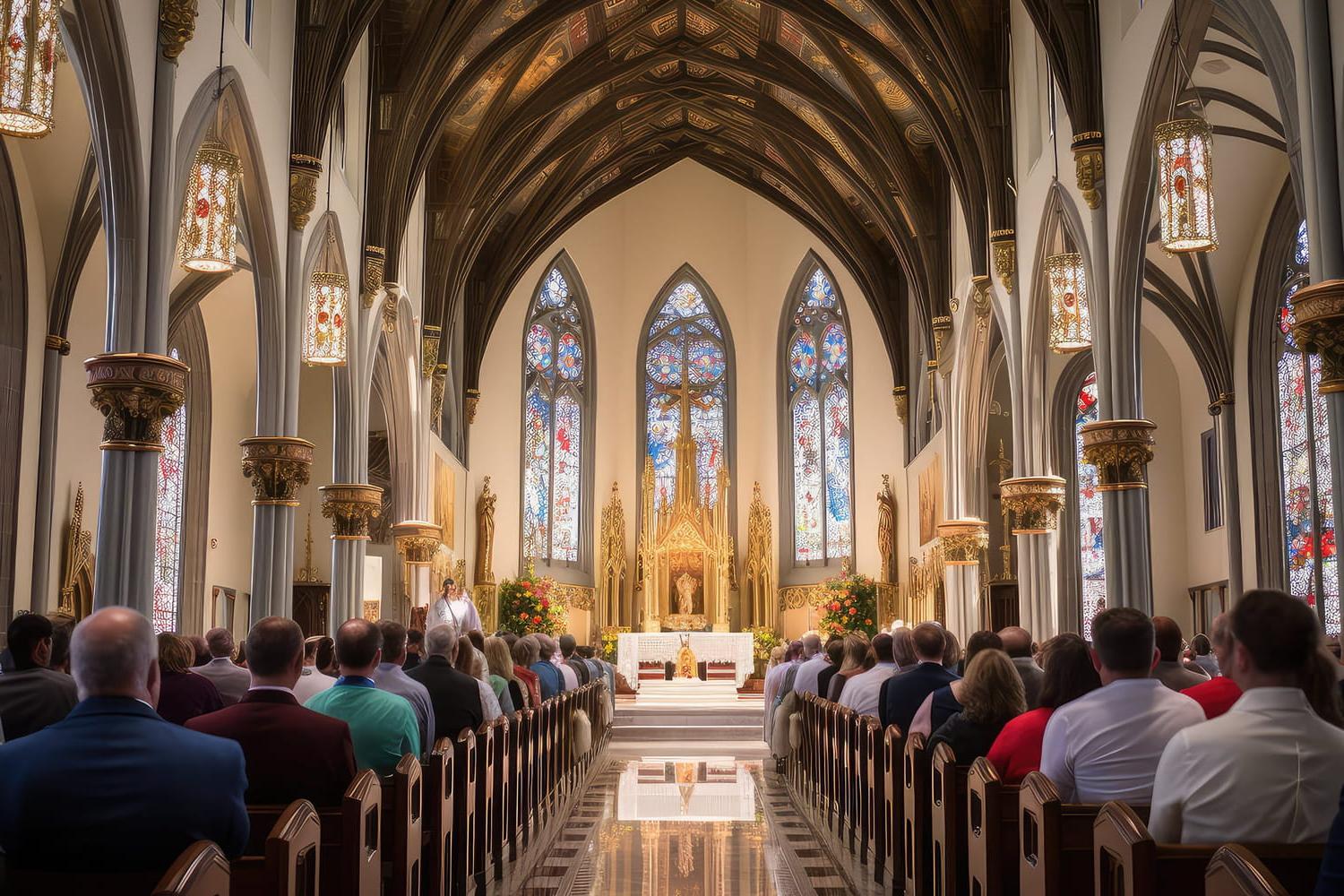
Every August 15, Christians, especially Catholics, celebrate the Assumption, a significant religious holiday. Here are six details to help you better understand this celebration.
The Assumption, celebrated every August 15, is an important date for Christians and Catholics as it honors the Virgin Mary. On this day, believers commemorate her bodily assumption into heaven. However, the day encompasses more than just this event for those of the faith…
What is the Assumption?
In religious terms, the Assumption refers to the belief that Jesus’ mother, Mary, was taken up body and soul into heavenly glory to live with God. Essentially, it marks the end of her earthly life. This event is described as Mary’s glorification with God. According to the Catholic Church in France, “for Mary, the Assumption is a continuation of her involvement in Jesus’ life.”
Why is the Assumption a public holiday?
The Assumption is a public holiday in France. This designation was made during the reign of Louis XIII. Around 1610, the French king longed for an heir to succeed him. After several unsuccessful attempts, his wife gave birth to the future King Louis XIV on September 5, 1638. This birth was perceived as a miraculous event. King Louis XIII credited the Virgin Mary for this miracle and established August 15 as a day of celebration in honor of Jesus’ mother and as a public holiday. Since then, the Assumption is one of the four legally recognized Christian holidays in France, along with Christmas, Ascension Day, and All Saints’ Day.
What is the origin of the Assumption?
On November 1, 1950, Pope Pius XII declared the Assumption as one of the dogmas of the Catholic Church with the following definition: “The Immaculate Virgin, preserved free from all stain of original sin, when the course of her earthly life was finished, was taken up body and soul into heavenly glory, and exalted by the Lord as Queen over all things, so that she might be the more fully conformed to her Son, the Lord of lords and conqueror of sin and death.” It is often questioned whether the Assumption of the Virgin Mary is mentioned in the Bible. The answer is that the Assumption is primarily a Christian belief, which is not explicitly detailed in the Bible.
What is the significance of the Assumption feast?
Etymologically, the term Assumption derives from the Latin word “assumptio”, which itself comes from assumere, meaning “to take up” or “to remove.”
Similar Posts
- Why We Celebrate Saints on All Saints’ Day: 4 Must-Know Facts!
- Pentecost Explained: Is Monday a Public Holiday or a Workday?
- Why Is Easter Monday a Public Holiday in France? Unveiling the Reasons!
- Easter 2025: Discover Date & Traditions of the Holiday!
- 2025-2026 US Holiday Dates Revealed: Best Days to Take Off for Long Weekends!

Felix Marlowe manages Belles and Gals’ vibrant social media platforms. With expertise in social engagement and viral marketing, Felix creates content that sparks conversation and keeps followers coming back for more. From celebrity news to trending challenges, Felix makes sure our social media stays at the forefront of pop culture.


