
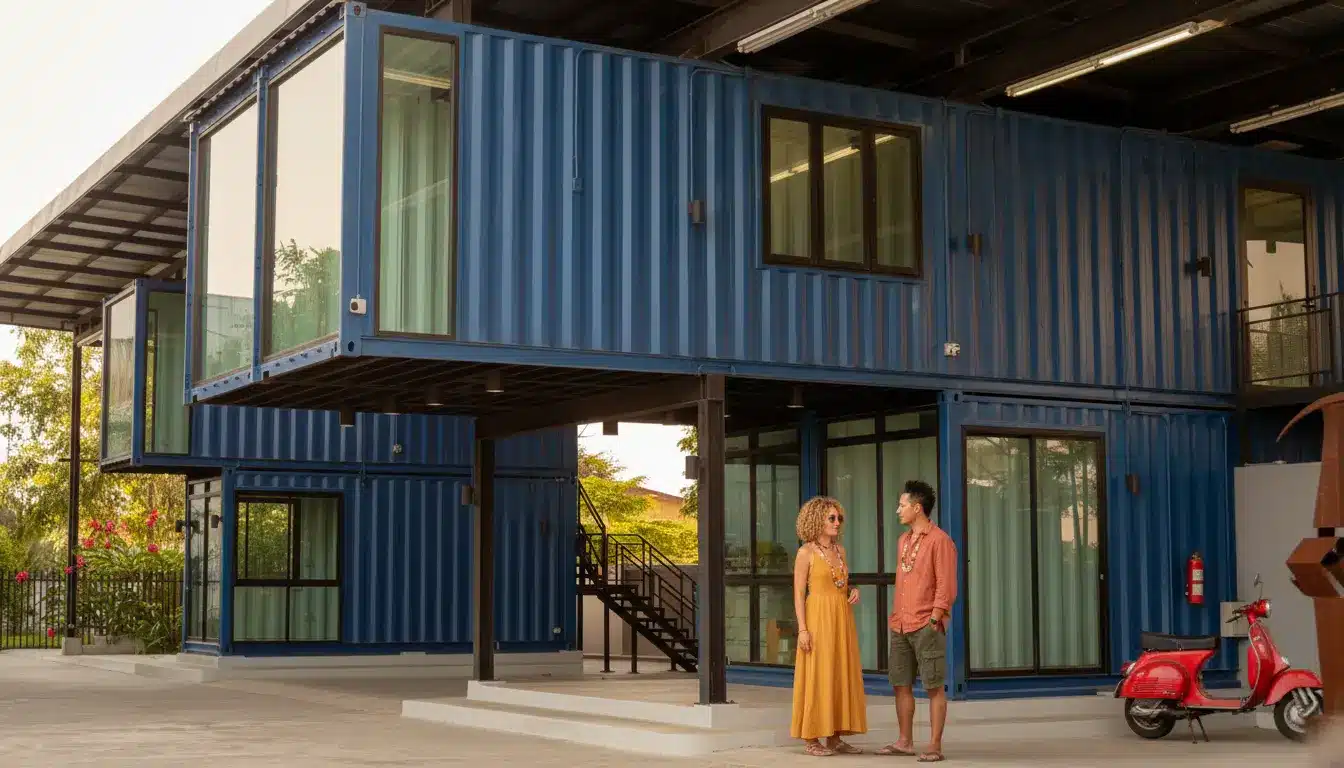
Not suitable for all lands: why building a container home has hidden costs
Container homes. The very phrase conjures up visions of sleek, modern architecture, eco-friendly living, and—if you believe all the hype—a bargain price tag attached. The reality? Let’s just say it’s not quite as dreamy as it appears in those cleverly filtered Instagram shots. Sure, building a home out of shipping containers might sound like the ultimate exercise in creativity and sustainability, but hidden costs and challenges can quickly pile up, much like containers in a port.
He thought he was rescuing a sheep—but it turned out to be something else
This bizarre French customer habit is driving shop owners crazy
The Allure of Container Living—And Immediate Caveats
The concept of the container home has caused a real stir in the world of housing construction. By bringing shipping containers into the mix, builders and dreamers expand the horizon of what’s possible in terms of architectural design and creativity. Not only does this approach promise eco-friendliness and, in theory, simplicity, but it also comes with a wallet-friendly price point. With all that going for it, who wouldn’t be seduced?
Yet—and this is a big yet—the container home, fascinating as it may be, comes bundled with a series of disadvantages. These can become downright bothersome, potentially disrupting your project before your first quirky wall art is hung.
The Thermal Reality Check: Insulation Isn’t Optional
Let’s talk insulation. Spoiler: you’re going to need it, and plenty of it. When starting out on a container home project, any responsible builder will (and should) warn the client up front about the importance of proper insulation. While the stern, reinforced walls of a shipping container might look sturdy enough to withstand, well, anything, they’re surprisingly sensitive to temperature swings. Without serious insulation, your dream home may turn into a freezer in winter and a sauna in summer.
This step isn’t just about comfort; it directly affects the usable living space. Add interior insulation and the thickness cuts into your final habitable area. That smaller living room? It’s not just modern minimalism—it’s physics. Sure, you can propose exterior insulation to your clients instead. That way, the inside doesn’t shrink, but watch that final bill swell! No matter which route you take, insulation remains crucial—and that flat roof caused by the container’s shape? It (unsurprisingly) needs its own careful attention. Still, with solid expertise, even these quirks can be managed.
- Insulation is mandatory for comfort and efficiency
- Interior insulation eats up living space
- Exterior insulation avoids that—but it comes at a higher cost
- Flat roofs require special handling for insulation and weatherproofing
Approvals, Red Tape, and the Rural Rejection Letter
If you thought “Container Homes Everywhere!” was the next inevitable trend, think again. Not every place is ready—or willing—to accept these metal masterpieces. One of the major drawbacks comes from their incompatibility with certain local urban planning regulations. This issue pops up especially in rural areas, where unusual or atypical construction projects like container homes often fail to win approval. Before celebrating your clever use of industrial chic, you (or your professional helper) must check with the local town hall regarding project feasibility. Sometimes, a building permit is needed, so be ready to deal with the paperwork before loading up your first container.
- Not all local planning regulations approve container homes
- Rural areas can be especially strict
- Always check with the local municipality before starting—or even buying containers
No One Warned You About the Transport Headache
The supposed simplicity of building with containers mostly covers what happens after the containers arrive. There’s the matter of creating foundations, positioning and fixing the containers, and finishing the interior. Easy, right? Here’s the catch: you’ll need to get those enormous containers from the port to your plot of land. If that plot happens to be inland or tucked away in a forest (for those wanting ultimate privacy), brace yourself for logistics that are anything but straightforward.
Transport and handling come with their own extra costs on top of the already considerable construction expenses. Whether your contractor offers to handle this or you outsource to other specialized professionals, the reality is the same: more headaches, and more line items on the invoice.
If you thought the only heavy lifting would be your own moving boxes, think again.
Conclusion: Cool Idea, But Plan Before You Dive In
Building a container home is an adventure—one that promises freedom of design, eco-friendly vibes, and, yes, affordability. But as you’ve seen, the journey is dotted with pivotal checkpoints: insulation dilemmas, shrinking interiors, regulatory mazes, and logistical gymnastics just to get your containers in place. Before you leap into the world of container living, check the paperwork, count all the costs (hidden and otherwise), and be ready to trade some dreams for a healthy dose of realism. That way, your new home will be more than just a steel box—it’ll actually be a pleasure to live in. Isn’t that what you’re after in the end?
Similar Posts
- Say goodbye to expensive heating: a tutorial on building a solar radiator with cans
- Revolutionary Care Model Unites Toddlers and Elders Under One Roof!
- Are your walls cold? Here’s how to warm them up without extra cost and improve your thermal comfort
- Why your home feels cold even at 20°C — what really makes the difference ?
- Build This Genius Solar Heater Using Just Empty Cans

Felix Marlowe manages Belles and Gals’ vibrant social media platforms. With expertise in social engagement and viral marketing, Felix creates content that sparks conversation and keeps followers coming back for more. From celebrity news to trending challenges, Felix makes sure our social media stays at the forefront of pop culture.


