
He thought he was rescuing a sheep—but it turned out to be something else
This bizarre French customer habit is driving shop owners crazy
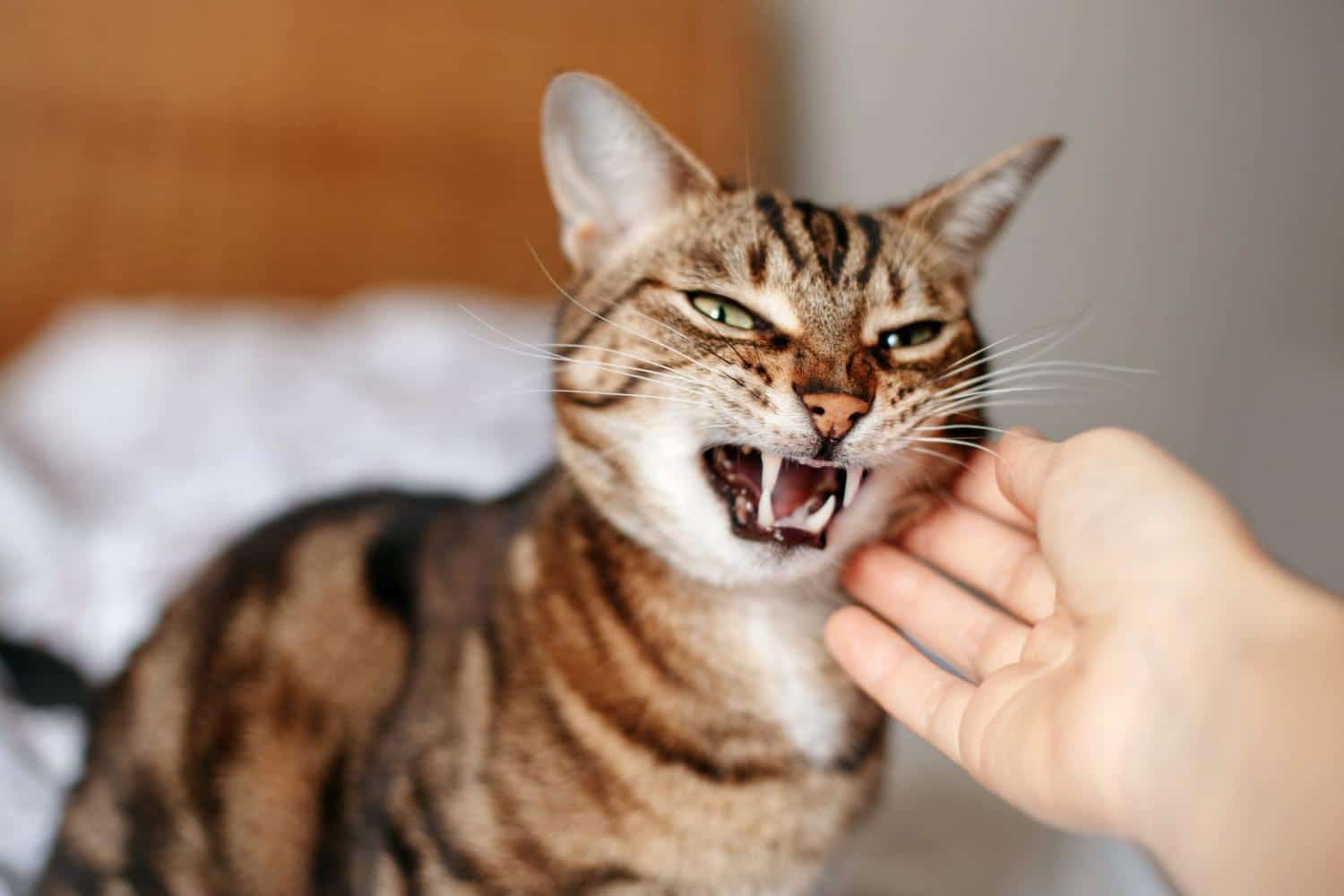
Just like people, every cat boasts a unique personality. While some are gentle and outgoing, others can be more reserved or even aggressive. According to scientific research, one particular breed is not too fond of humans.
Cat owners have long recognized that each feline has its own distinct temperament. Cats are often portrayed as independent and territorial creatures, yet each one displays unique personality traits. Some are playful and friendly, which contradicts their solitary stereotype, while others can be stubborn and moody, akin to wild felines best left undisturbed during their naps. Previously, these varying personalities were mostly noted anecdotally by pet owners and were less documented compared to those of dogs, for instance.
That’s why researchers at the University of Helsinki in Finland decided to delve into this topic. By studying around 4,300 cats from 26 different breeds, focusing on seven key behaviors – fear, activity, aggression towards humans, sociability towards humans, sociability towards other cats, excessive grooming, and litter box issues – they identified significant differences among the breeds. While each cat has its unique personality, the results “suggest a genetic component to personality”. The study concluded that one breed, in particular, showed the highest levels of aggression towards humans and the lowest sociability towards other cats.
The breed in question is the Van cat, also known as the Turkish Van. This large, majestic, white cat was previously known for its closeness to humans and affectionate behavior, as noted on many specialty websites. However, “when comparing average scores by breed” in the Finnish study, it’s clear: the Turkish Van is significantly more aggressive. On the other hand, the American Curl scored the lowest in human-directed aggression, yet paradoxically, it’s not very sociable with humans. Essentially, this breed is quite neutral: it won’t attack, but it doesn’t seek human companionship much either.
Researchers emphasize that understanding an animal’s personality is crucial for its well-being, as different pets will have varying needs in their daily lives. Naturally, there’s also the matter of compatibility with the owner, which often comes up during pet adoptions from shelters, for instance.
Just like their canine counterparts, not all cats are suited for every person or family setup. Based on the findings of this study, it might be wise to think twice before adopting a Turkish Van in a household with children. The Abyssinian cat seems to be a better fit for families, as it is the least fearful, one of the least aggressive, very playful, and scores well in human sociability and has few litter box issues. However, caution is advised in homes with other cats, as the Abyssinian may not get along well with them.
* Study published in the Animals journal in 2021
Similar Posts
- Study Reveals: Your Cat’s Purr is a Daily Manipulation Tactic!
- How a Cat Chooses Its Favorite Person in Your Family!
- Why Does My Cat Act Like a Dog? Here’s What It Could Mean
- 5 Cat Breeds That Despise Cold Weather
- Vets Say This is the Most Fragile Dog Breed You Should Think Twice About Adopting!

Felix Marlowe manages Belles and Gals’ vibrant social media platforms. With expertise in social engagement and viral marketing, Felix creates content that sparks conversation and keeps followers coming back for more. From celebrity news to trending challenges, Felix makes sure our social media stays at the forefront of pop culture.


