
He thought he was rescuing a sheep—but it turned out to be something else
This bizarre French customer habit is driving shop owners crazy
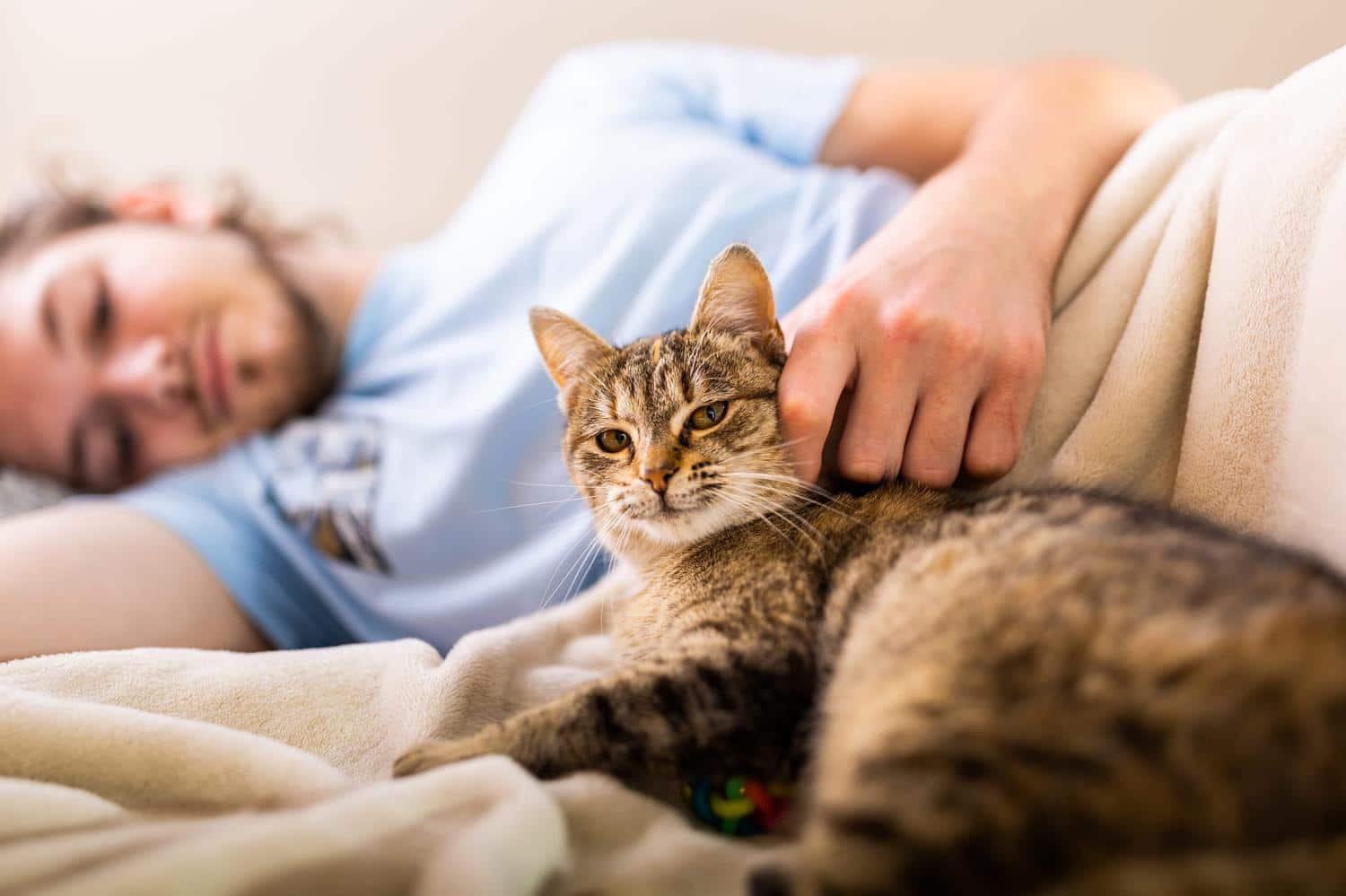
Cats have mastered the art of pulling at our heartstrings to get what they desire. Research has shown that they manipulate our biological instincts with a very specific type of purring.
Anyone who has ever lived with a pet knows this: our four-legged friends are much smarter than we might think. While a pet’s breed can significantly influence their intellectual abilities or personality, certain behaviors seem to be common across many animals. Whether in the wild or in our living rooms, animals display remarkable ingenuity in getting what they want. And in this area, cats have become experts in manipulating humans.
Our feline friends understand well that it’s humans who provide food, and more importantly, decide WHEN to provide it. So, if they’re craving a little treat, they have just one task: to charm the person who distributes the food, even if it means being a bit cunning. A scientific study published in the journal Current Biology, conducted by researchers from the University of Sussex in the UK, has proven that cats modify their purring to exploit our innate sensory biases as mammals, particularly our biological sensitivity to the distress calls of babies.
Indeed, it was when researcher Karen McComb noticed her cat persistently waking her up with an insistent and unpleasant purring that she decided to investigate further. The study highlighted two types of vocalizations: the classic purr, when the cat is relaxed and asking for nothing, and the “solicitation purr,” when the cat is seeking food. By playing these two types of sounds to a group of about fifty participants (both cat owners and non-owners), the researchers discovered that humans consistently judged the solicitation purrs as more urgent and less pleasant.
The difference between the two? In the typically low-pitched purr, cats insert “a high-frequency vocal component, reminiscent of a cry or a meow, which proved crucial in assessing the urgency and pleasantness of the sound.” The study shows that cats have learned two things: we are naturally sensitive to high-pitched cries, similar to those of our own infants, and this modified purr is “more acceptable than a blatant meow,” which might annoy us more and be perceived as whimsical rather than a vital need.
So, it’s clear that cats do not just purr when they are happy: “Integrating a cry into a call that is usually associated with contentment is a rather subtle way to elicit a response,” the scientists noted. However, not all cats have adopted this clever manipulation technique. “It seems to develop most often in cats that have an exclusive one-on-one relationship with their owners, rather than in busy households where such purring could go unnoticed,” explains Karen McComb. Of course, it should be noted that if this purring occurs in the morning, it is very likely that the cat is indeed hungry, whereas it might just be craving attention if it purrs like this in the middle of the day.
Similar Posts
- Which Cat Breed Is Most Aggressive Towards Humans? Study Reveals
- Veterinarian Reveals: This Pet Symptom Could Signal End of Life
- To express gratitude for saving him, an orphaned kitten creates a heartwarming daily ritual
- From Disfigured to Stunning: The Incredible Transformation of Mystic the Cat After Life-Saving Care
- Why Do Cats Sleep on You? Warmth, Trust, and Feline Affection Explained

Felix Marlowe manages Belles and Gals’ vibrant social media platforms. With expertise in social engagement and viral marketing, Felix creates content that sparks conversation and keeps followers coming back for more. From celebrity news to trending challenges, Felix makes sure our social media stays at the forefront of pop culture.


