
He thought he was rescuing a sheep—but it turned out to be something else
This bizarre French customer habit is driving shop owners crazy
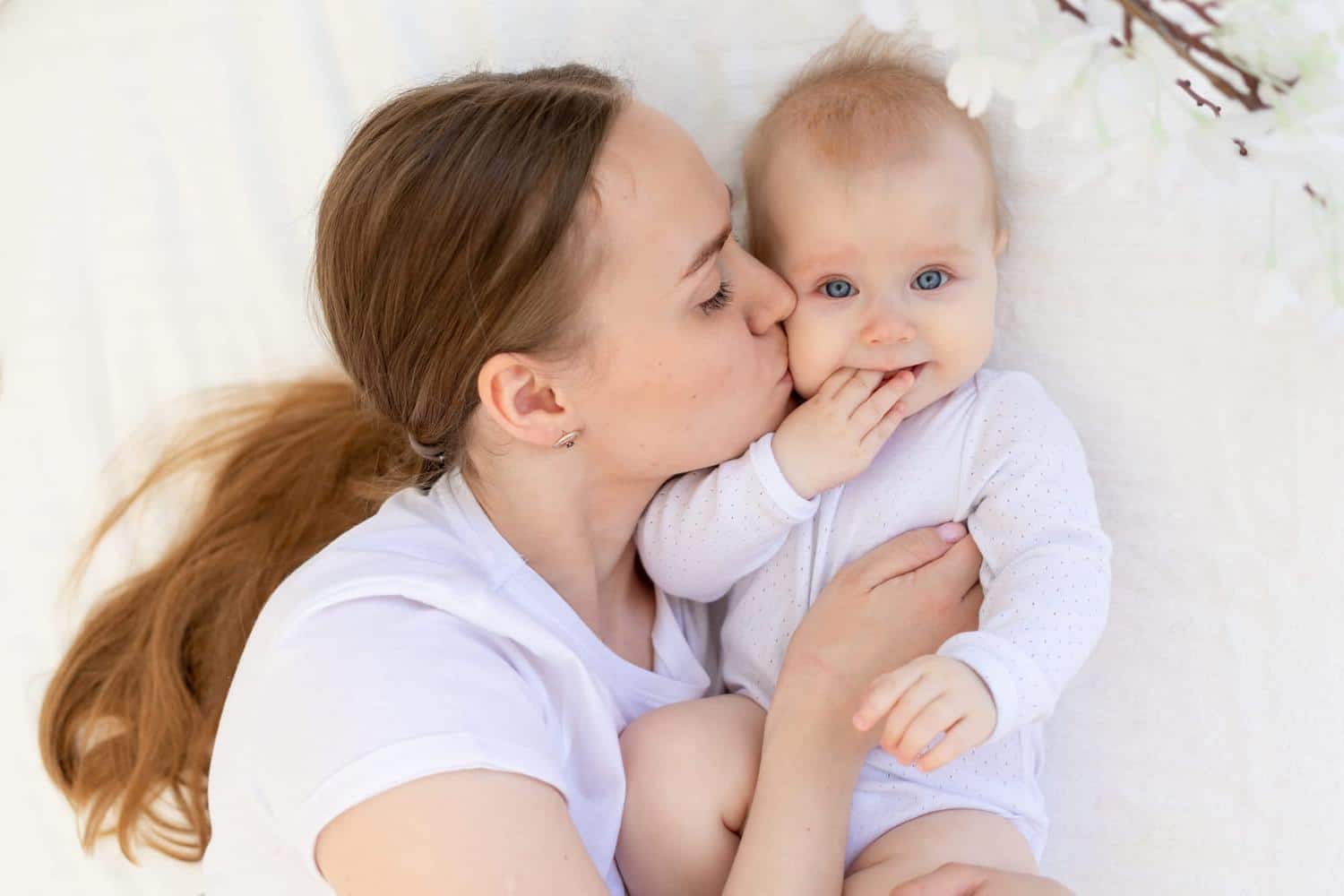
Contrary to popular belief, the attachment bond between a baby and its parent does not form at birth or during the initial weeks of life. A child psychologist reveals the specific age at which this crucial bond truly begins to develop.
Among mammals, humans are born with the least developed brain, relying entirely on adults for survival and having an inherent need for social contact and attachment. A lack of regular, warm interactions with adults can negatively affect a child’s development, as observed in some children raised in post-war orphanages. Babies are programmed to attach to the primary caregiver during their initial months, regardless of how their needs are met. However, “this process is not innate between a baby and its parents; it is formed,” explains Héloïse Junier, a psychologist specializing in early childhood.
Additionally, a baby can have multiple attachment figures, though not all will hold the same importance in their life. The primary attachment figure is the one most present during the first months, followed by secondary attachment figures—those who regularly care for the baby. “Often, the mother is the primary attachment figure, followed by the father, the nanny, daycare professionals, uncles, aunts, and grandparents. All regular caregivers become attachment figures,” the expert details.
“It is known that a child takes between 6 and 9 months to establish this attachment bond with their primary attachment figure,” says Héloïse Junier. To develop a quality attachment, the key is emotional availability in response to distress signals. “To effectively apply attachment theory, parents are encouraged not to let their baby cry alone repeatedly. Indeed, the quality of the bond between a child and a parent varies depending on how they respond to the baby’s distress signals,” the psychologist informs. In practice? “When a baby cries, you shouldn’t leave them crying in their crib, yell at them to stop, or scare them… Instead, pick them up and soothe them against you within minutes,” she advises. It’s crucial that the adult’s reaction is predictable for the child.
Contrary to a persistent myth, frequently holding your baby does not make them overly dependent; in fact, it does the opposite. Research has shown that the more a child is held—something they are inherently programmed for—the more confidently they will explore their surroundings around 12-15 months. Everyday moments such as times of distress when the baby needs reassurance, as well as during baths, meals, and bedtime, are prime opportunities to strengthen this bond. For parents worried about their child’s lack of responsiveness, Héloïse Junier offers reassurance: “It is impossible for a child not to attach to either mother or father, provided they have been present during the first months of the child’s life.”
To promote a healthy attachment with your baby, keep these simple principles in mind: respond to their cries with gentleness and consistency, increase physical contact without fearing to hold them “too much,” seize everyday moments (bath, meals, bedtime) to build closeness, and don’t feel guilty if you regularly entrust them to other caring adults. These secondary attachment figures contribute to their emotional balance and won’t replace you as a parent. The key is the regularity and predictability of your responses: this stability allows your child to develop a strong, secure bond with you between 6 and 9 months.
Special thanks to Héloïse Junier, child psychologist, doctor of psychology, and author of the comic book My Baby Life (Dunod, 2021).
Similar Posts
- Is Your Child Not Potty Trained for Kindergarten? Who Will Change Their Diaper?
- Parents on Edge: This Psychologist-Approved Tip Could Change Everything!
- How to Help Your Child Make Friends: Essential Tips for Parents
- Psychologist’s Sleep Ritual Gets Kids to Bed Easily, No Excuses Needed!
- Psychologist Reveals the Most Crucial Question to Ask Your Child!

Felix Marlowe manages Belles and Gals’ vibrant social media platforms. With expertise in social engagement and viral marketing, Felix creates content that sparks conversation and keeps followers coming back for more. From celebrity news to trending challenges, Felix makes sure our social media stays at the forefront of pop culture.


