He thought he was rescuing a sheep—but it turned out to be something else
This bizarre French customer habit is driving shop owners crazy
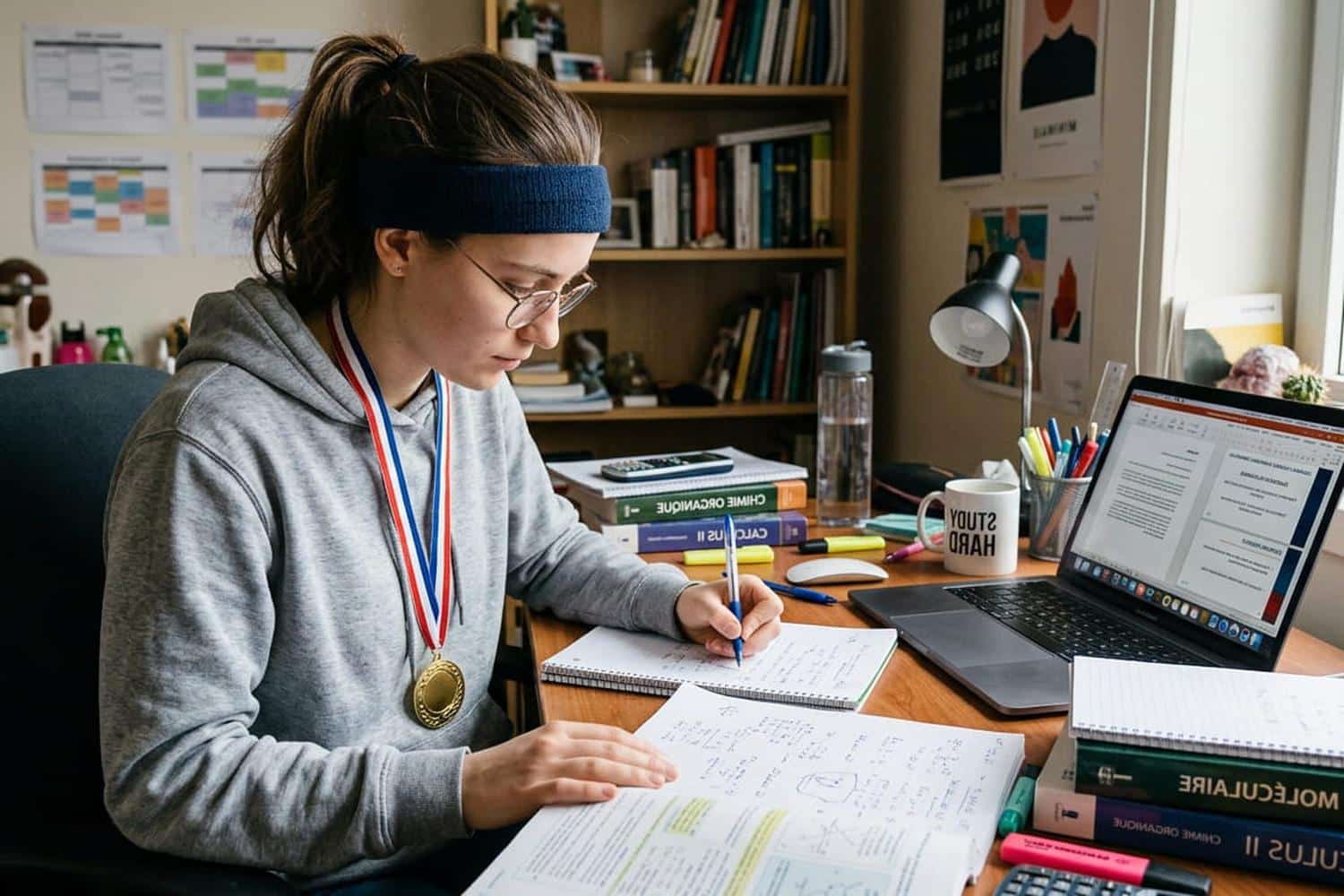
What if the key to acing your exams was to study like an Olympic athlete trains? That’s the advice from a psychologist who specializes in high-performance athletes. However, don’t worry, this approach is less demanding than it sounds.
From middle school to college, exams are an inevitable hurdle that many students dread, especially the intense study sessions that precede them. As finals approach for both middle and high school students, everyone has their own strategy to prepare. Some students study a little every day, while others might cram for several hours over the weekend; some rewrite notes on colorful flashcards or reread material to enhance retention, while others might utilize educational videos or even seek help from artificial intelligence to grasp their lessons… But what’s the best strategy to excel in exams?
While the best method can vary from person to person, there are some universally helpful tips. Interestingly, some of these tips come from unexpected sources. In an interview with the British newspaper Independent, a sports psychologist shares his secrets for preparing for exams—or any academic test—by adopting the mindset of a top-tier athlete. “One can view an exam as a performance situation, and that’s what we do in sports: we strive to achieve peak performance at the right moment,” explains Dr. Geoff Lovell, who has been supporting Olympic and Paralympic athletes for over 30 years. Just as an athlete prepares for a competition, a student should develop a study schedule, manage emotions on the big day, and establish a consistent routine in the weeks leading up.
The tactic is less rigorous than one might think. “Most people can’t study intensively for 12 straight hours, so it’s better to study in short, highly focused sessions, with a clear goal in mind for each,” the psychologist suggests. He uses the marathon metaphor: a runner doesn’t cover 42 kilometers in every training session to avoid losing motivation and burning out before the big day. Instead, they break their training into shorter segments. For exam preparation, Geoff Lovell recommends “working in concentrated periods of about 45 minutes, roughly six times a day [on non-school days, of course] interspersed with short breaks of about 15 minutes.” This equates to about four and a half hours of study on a weekend day, which is far more effective than one extended session.
Moreover, “one of the traps,” the psychologist warns, is “creating a to-do list without specifying when you’ll actually do those tasks.” Like an athlete plans their training, a student must “for each day, have a precise schedule and a detailed plan” of what they intend to study. We know that focus wanes when we spend too long on the same task, so it’s better to set smaller, more “manageable” goals like completing a quiz, writing a summary, or doing a practice problem.
In terms of daily habits, contrary to what one might think, Geoff Lovell does not recommend going to bed earlier than usual the night before the exam or cutting out social outings in the days leading up: “Do no more and no less than before; stick to your usual routine. […] Keeping in touch with friends is always important for maintaining a positive emotional state.” Essentially, there’s no need to put excessive pressure on yourself; the goal is to maintain a rhythm that suits you and to plan without wearing yourself out.
Similar Posts
- Ace the 2026 Philosophy Exam: Dates, Scoring Criteria & Essential Tips Revealed!
- French Baccalaureate 2025: Key Dates, Oral Exam, What Works Are Included?
- Math Teacher Predicts Hot Topics Likely to Appear on the Bac Exam!
- Brevet 2025 Changes: Dates, New Requirements – What’s Mandatory This Year?
- Teen Won’t Study for Finals? Here’s How to Motivate Them!

Felix Marlowe manages Belles and Gals’ vibrant social media platforms. With expertise in social engagement and viral marketing, Felix creates content that sparks conversation and keeps followers coming back for more. From celebrity news to trending challenges, Felix makes sure our social media stays at the forefront of pop culture.