He thought he was rescuing a sheep—but it turned out to be something else
This bizarre French customer habit is driving shop owners crazy
As a parent, hearing your child express hatred can be incredibly challenging. A psychotherapist sheds light on the meaning behind these harsh words and advises why they shouldn’t be taken too personally.
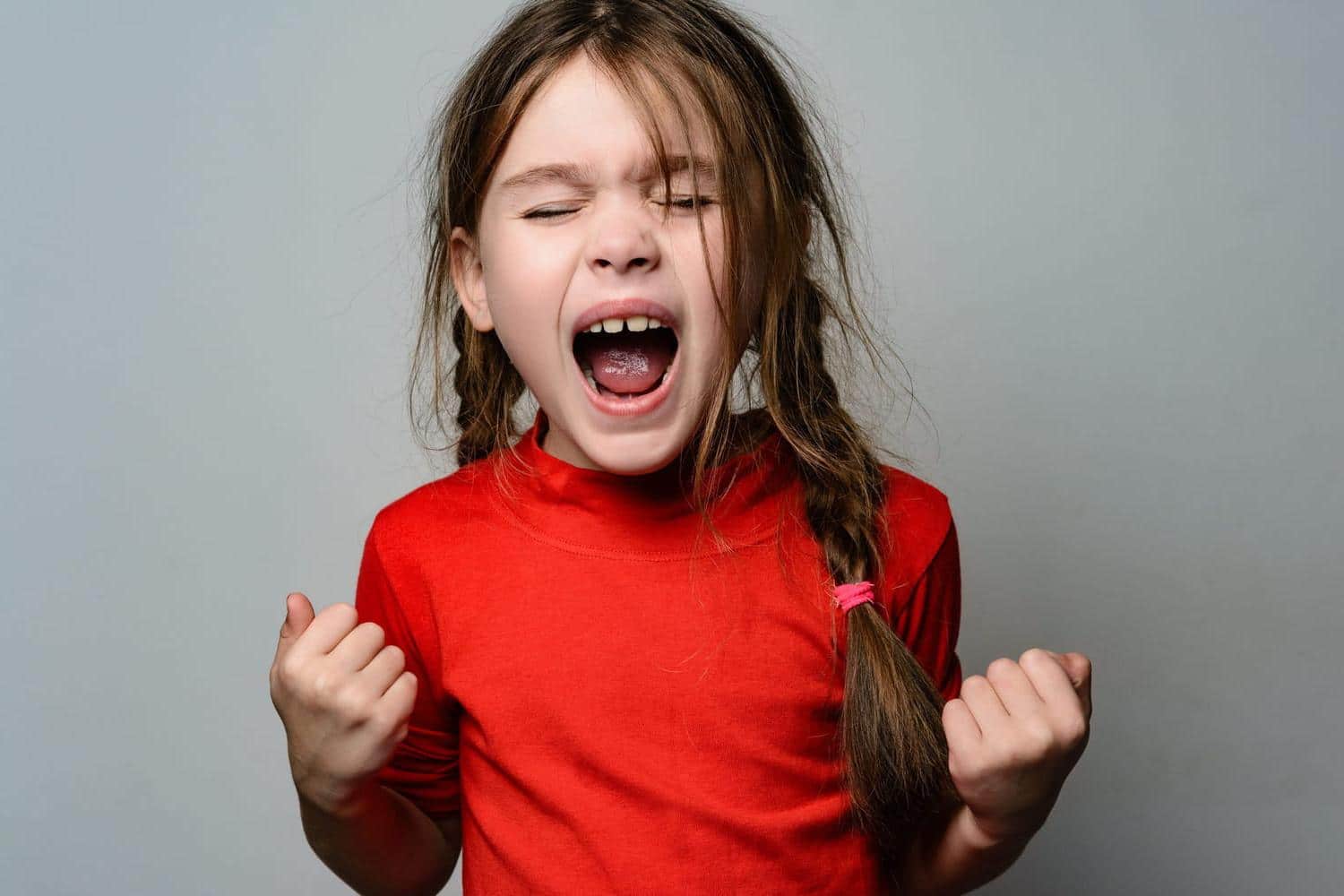
There’s perhaps nothing more heart-wrenching for a parent than to hear their child say things like “I hate you,” “you’re mean,” or “I don’t love you anymore.” These unfiltered statements can deeply wound us and make us question our parenting skills. However, rather than feeling guilty or responding defensively, it’s important to recognize that there’s a more complex reality behind these painful words.
Before becoming overwhelmed with sadness, it’s crucial to understand the internal turmoil the child is experiencing at that moment. Essentially, this verbal outburst is a complete breakdown of their rationality. Overwhelmed by a tidal wave of anger, significant disappointment, or intense frustration, the child loses all access to logic. Therefore, these harsh words are not a true reflection of their feelings but rather an expression of their inability to manage overwhelming emotions.
So, what do these difficult words really mean? According to Alison Roy, a psychotherapist, such a shocking statement is paradoxically a sign of “healthy” emotional expression. Roy explains that “I hate you” might actually mean: “I feel out of control,” “You make all the decisions and I hate feeling powerless,” or “I wish I didn’t feel this uncomfortable.” Sometimes, it involves projection: the child, struggling to love themselves, vents their own frustrations on the adult who can bear them. Brieanne Doyle, another therapist, adds, “Behind ‘I hate you’ is a scared, frustrated, and angry child who needs help managing these feelings and learning to express them appropriately.”
In response to such an outburst, the worst reaction would be to escalate the situation through argument or immediate punishment. Experts first recommend taking a moment to identify one’s own emotions as a parent, then focusing on the child. Becky Kennedy, a clinical psychologist, believes the best response might sometimes be to say nothing at all but to be present and attentive. If the child is younger, she suggests getting down to their level and gently validating their feelings to understand their anger. Whether it involves offering a comforting hug, sitting beside them, or giving them some space if they continue with their remarks, the main goal is to create a secure environment to contain this emotional overflow.
Once the storm subsides and calm returns, real educational work can begin. It’s the perfect time to discuss the anger and set healthy boundaries. Alison Roy suggests establishing basic rules for the future, explaining to the child that while their disappointment is understood, there are other ways to express it. Brieanne Doyle also recommends asking for apologies for the hurtful words spoken, reminding them that at home, language should not be used to inflict pain.
Similar Posts
- Why Kids Say “No” to Everything: Understanding & Reacting to the Oppositional Phase
- Parents on Edge: This Psychologist-Approved Tip Could Change Everything!
- Experts Warn: Stop Saying This Common Phrase to Comfort Kids—Here’s What to Say Instead
- Psychologist’s Sleep Ritual Gets Kids to Bed Easily, No Excuses Needed!
- Teachers Reveal: The Key Phrase to Tell Your Child on Their First Day of School

Felix Marlowe manages Belles and Gals’ vibrant social media platforms. With expertise in social engagement and viral marketing, Felix creates content that sparks conversation and keeps followers coming back for more. From celebrity news to trending challenges, Felix makes sure our social media stays at the forefront of pop culture.