He thought he was rescuing a sheep—but it turned out to be something else
This bizarre French customer habit is driving shop owners crazy
Convenient for daily use, but not the smartest choice… According to this nutrition expert, we’re being tricked when we choose these vegetables: they’re pricier, less tasty, and less healthy.
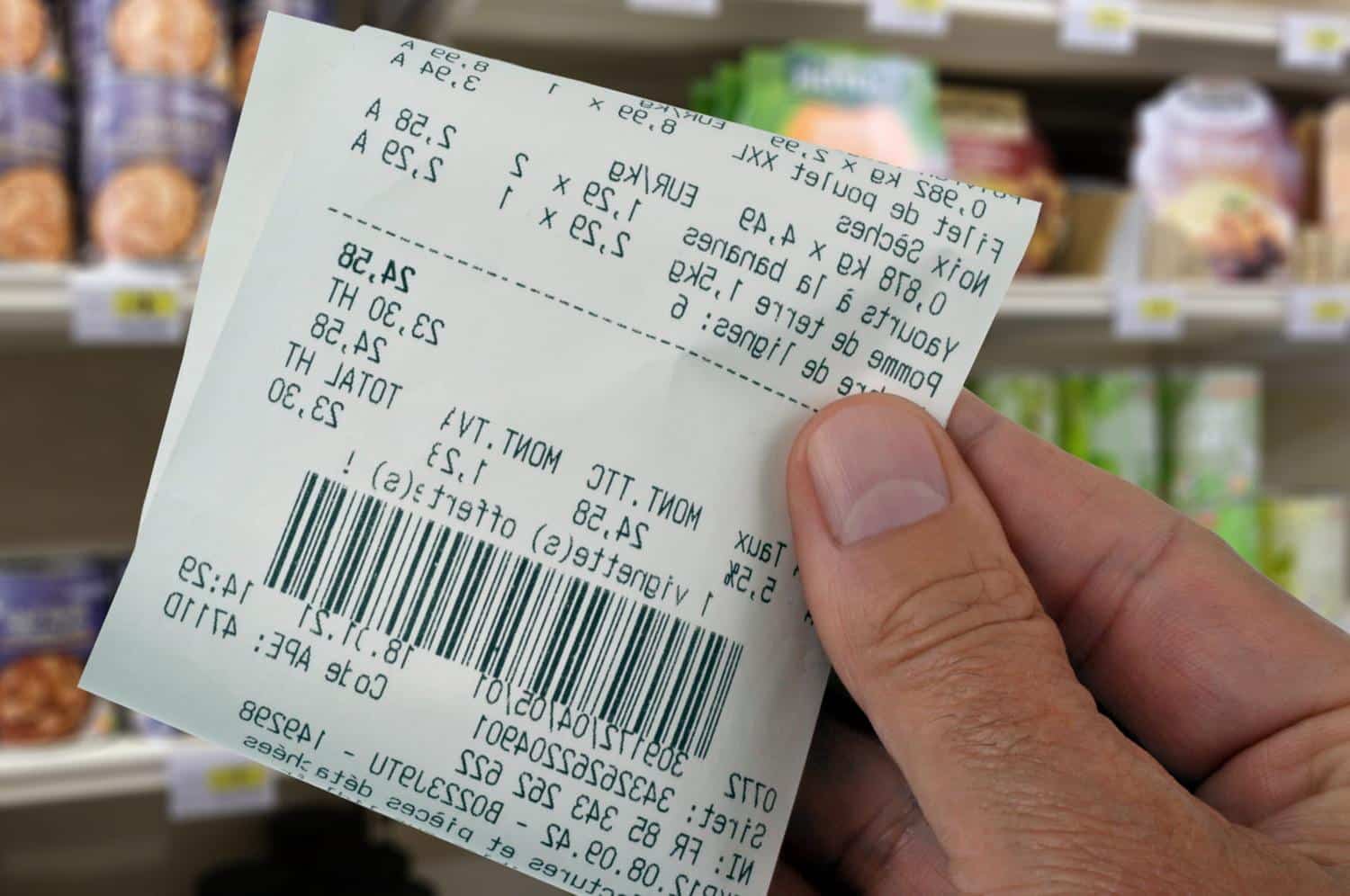
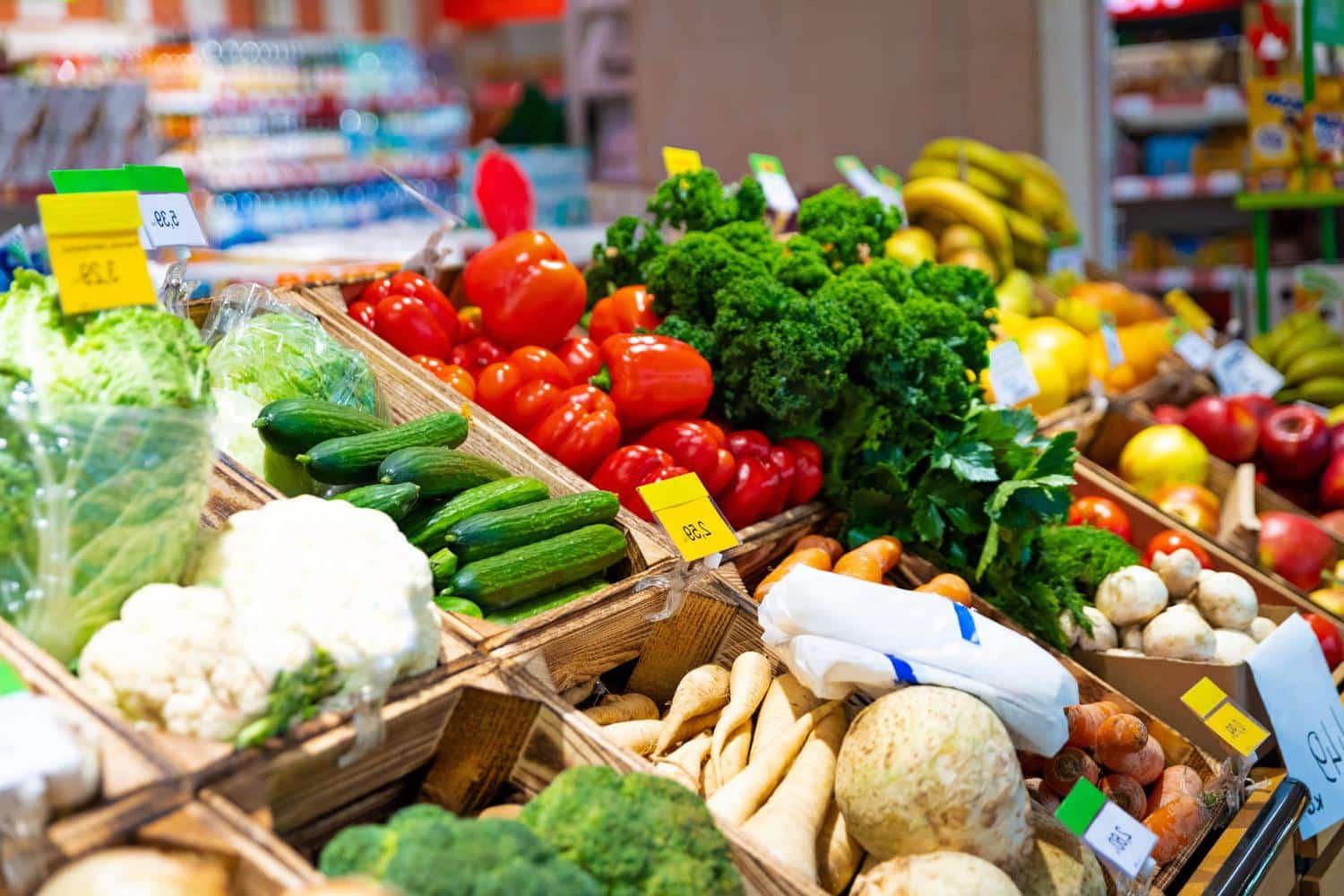
Over 70% of French people, nearly three-quarters of the population, purchase these particular vegetables, according to data from the Nielsen panel and the industry’s professional union. However, this is not the most cost-effective option. “It’s up to four times the price!,” observes nutritionist Noémie Combremont, when comparing these items to other vegetables in the same aisle. But due to lack of time or simply for convenience, many of us continue to make this poor choice.
Zucchini, red cabbage, carrots, and other raw veggies… The supermarket offers a variety for every taste. But these vegetables, which appear fresh, are actually a bad idea, criticizes Noémie Nutrition on YouTube. In her video “10 health mistakes that blow up your grocery budget,” the expert exposes the scam of ready-to-use vegetables. Already washed, peeled, cut, and packaged in bags, they save time in the kitchen. But at what cost! While a whole kilo of red cabbage costs less than 2 euros, the sliced version is sold for 7 euros per kilo, she illustrates. And when comparing prices, we see this markup applies across all vegetables.
At Carrefour, for example, fresh grated carrots are priced at 7.80 euros per kilo versus 1.99 euros per kilo for whole ones. But the most extreme case is cauliflower: in “ready to crunch” florets, it reaches an absurd 13.33 euros per kilo (compared to less than 3 euros per kilo whole). Enough to seriously dampen your appetite. Besides losing money, you also lose in quality, adds the nutritionist. Indeed, these vegetables are less rich in vitamins. According to a study by 60 Millions de consommateurs, the losses due to industrial washing and cutting can sometimes reach up to 50%.
Another drawback is storage, highlights Noémie Combremont. In this form, the vegetables generally need to be consumed within 24 to 48 hours. After that, they risk oxidation. All this just to save a few precious minutes in the kitchen… The saying “time is money” has never been more accurate! Lastly, from an ecological standpoint, these products also raise concerns: their packaging in plastic bags increases the amount of packaging…
Similar Posts
- Slash Your Grocery Bill by 70% by Avoiding This Common Supermarket Trap!
- Surviving inflation: Foods you should stop buying to save money
- Save $80 a Month by Dropping This Unnecessary Beauty Habit!
- Slash Your Grocery Bill: The Best Time to Score Cheap Asparagus Revealed!
- Shed Pounds with This Light Cabbage Soup Recipe!

Felix Marlowe manages Belles and Gals’ vibrant social media platforms. With expertise in social engagement and viral marketing, Felix creates content that sparks conversation and keeps followers coming back for more. From celebrity news to trending challenges, Felix makes sure our social media stays at the forefront of pop culture.