He thought he was rescuing a sheep—but it turned out to be something else
This bizarre French customer habit is driving shop owners crazy
Prices can sometimes more than triple: a Paris to Marseille trip can cost anywhere from 20 euros to over 120 euros, depending on when you book.
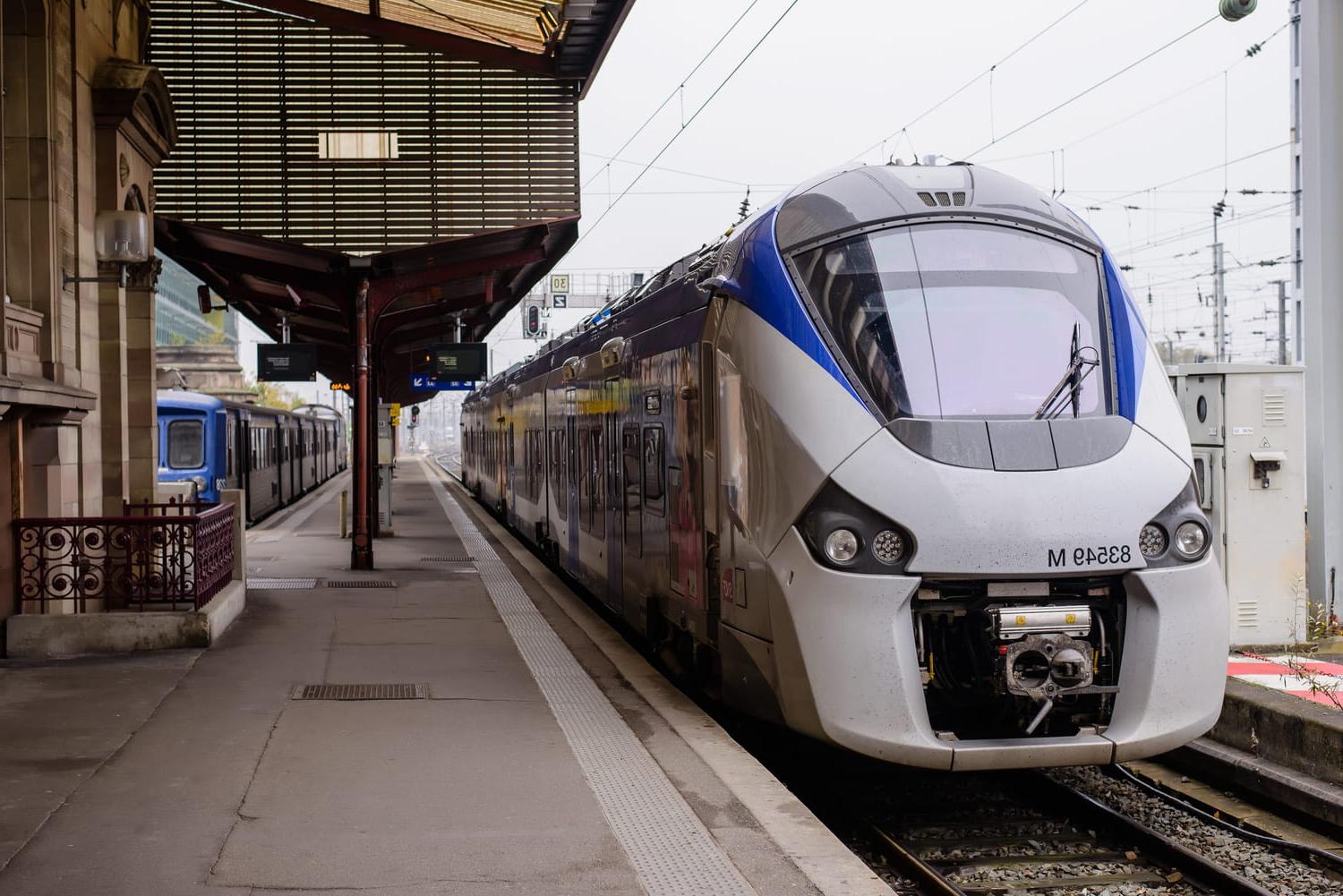
Booking a train ticket sometimes requires precise timing. Many travelers open the SNCF Connect app with a specific budget in mind, only to spend several minutes comparing schedules and switching stations to snag the best deal. Indeed, the fares for TGV and Ouigo trains are constantly changing, so there’s a specific time to avoid buying and a better time to make a purchase, as explained by 60 Millions de consommateurs.
For over thirty years, SNCF has utilized a “dynamic pricing” system. The concept is similar to that used in the airline industry: prices fluctuate based on demand and how full the trains are. When bookings pick up speed, prices go up. When a train is less popular, the fares remain more affordable. SNCF itself explains on its website that its prices “vary according to the train’s occupancy rate”. The company states that this method helps to fill trains more efficiently.
In practice, this pricing strategy makes the fares less transparent for customers. According to information published by SNCF and reported by 60 Millions de consommateurs, a second-class ticket from Paris to Quimper can start at around 20.50 euros and soar up to 120 euros. The same goes for Paris-Marseille: Ouigo tickets start at 19 euros but can rise to 109 euros. In TGV InOui, the same route can sometimes exceed 140 euros. Thus, Ouigo is no longer immune to the general price increase. The SNCF’s low-cost brand still attracts with its low initial prices, but these tickets sell out quickly on high-demand routes.
According to data from the Transport Regulation Authority reported by the National Federation of Transport Users’ Associations (Fnaut), the average price of an Ouigo ticket has risen from 21 euros in 2016 to 34.70 euros in 2024. Moreover, the initially displayed price often does not match the final price paid by the traveler. Ouigo’s official site specifies in its fare conditions that extra luggage, seat selection, or certain ticket changes incur additional charges. Furthermore, the cheapest tickets are neither refundable nor cancellable. As a result, a journey advertised at 19 euros can end up costing much more after adding options.
However, there are times when prices almost invariably skyrocket, such as just before school holidays, on major departure days, on very busy Fridays and Sundays, or a few days before the trip. At these times, trains are nearly full, and the last available tickets become much more expensive. On some routes, the price can double or even triple.
In response to this situation, travelers seek ways to reduce their costs. SNCF Connect, for example, offers a “Low Price Alert” feature that notifies when a ticket on a specific route drops in price. Many travelers also try to book as soon as tickets go on sale, several months in advance, as the earliest tickets are usually the cheapest. Departing mid-week, early in the morning, or during the day also tends to be cheaper than peak times. Lastly, other travelers opt for TER or Intercités, which are generally less expensive due to regional financial support.
Similar Posts
- SNCF 2025 Ticket Sales: Key Dates to Book at the Best Prices Now!
- Even Regular Travelers Miss This: Common Train Issue That Could Mean Compensation!
- Disneyland Paris Unveils Christmas Parade and New Pricing Details!
- Skyrocketing Prices Turn Everyday Food Into Luxury, Up 46% in a Year
- Slash Your Grocery Bill: The Best Time to Score Cheap Asparagus Revealed!

Felix Marlowe manages Belles and Gals’ vibrant social media platforms. With expertise in social engagement and viral marketing, Felix creates content that sparks conversation and keeps followers coming back for more. From celebrity news to trending challenges, Felix makes sure our social media stays at the forefront of pop culture.