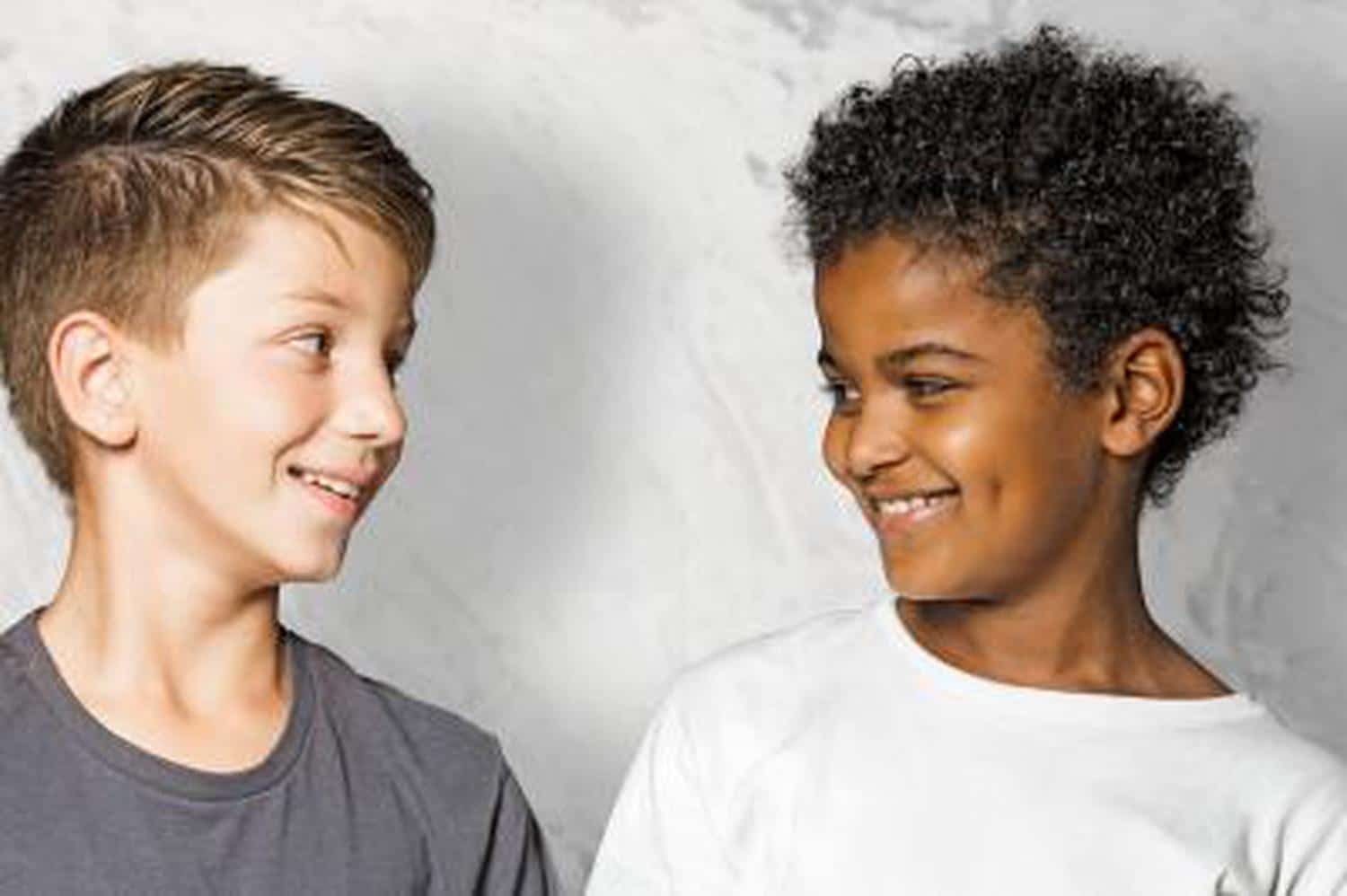
Embracing Diversity: A Guide for Our Children
He thought he was rescuing a sheep—but it turned out to be something else
This bizarre French customer habit is driving shop owners crazy
Differences manifest in various forms including stuttering, ethnic diversity, learning abilities, personality traits, and non-conformity to gender stereotypes. Children often notice these differences primarily through their own experiences, wondering why they “don’t fit in.” Initially, such differences might intimidate them. They usually observe physical attributes first, such as gender, skin color, or disabilities. By the age of 4 or 5, children start to become acutely aware of these differences.
From an early age, children encounter diversity. It’s crucial that they are allowed to explore these concepts independently, forming their own opinions and ways of thinking. However, guiding them towards tolerance and respect is essential. This can be achieved by questioning them and aiding them in their thought processes. Providing answers that help shape their understanding is also beneficial. It’s important for them to interact with people from various backgrounds and learn that diversity is a source of richness in the world, not something to fear. Additionally, addressing and understanding any stereotypes they may have already absorbed is necessary.
Many movies, books, and games can aid in this educational process. For instance, Peter Spier’s book Seven Billion Faces (published by École des Loisirs), contrasts a monotonous world where everything is the same with the vibrant richness that individual differences bring. Revisiting classic fables or tales, such as The Ugly Duckling, can also play a significant role in sensitizing them. The movie Khumba features a zebra whose body is only half-striped. Ridiculed by others, the young zebra embarks on a quest to find his stripes, learning to appreciate his own uniqueness and that of others along the way. This serves as a wonderful example of educating through entertainment. Another upcoming film, Maya the Bee: The Honey Games, set to release on February 4, 2015, will teach children the value and virtue of being unique. In this movie, Maya meets a variety of colorful characters and overcomes her fear of others by forming meaningful friendships.
Role-playing games are another useful tool in this learning process. For example, children could wear a uniform mask for a few minutes before being asked to paint it in their unique style, helping them realize the comfort in uniqueness. We should not hesitate to discuss differences with our children, nor should it be a taboo topic. On the contrary, by articulating these issues, opening up dialogues, and encouraging debates, children can learn to understand and respect everyone’s differences.
Similar Posts
- Dads Outshine Moms in Certain Parenting Skills, Study Finds
- Family Coach Reveals: ‘Dinner Rule’ That Boosts Kids’ Confidence!
- The “Worst Name in History,” According to the Internet: “It’s Just Cruel”
- Meet the Zorse : The Fascinating Zebra-Horse Hybrid
- Discover Freinet Pedagogy: The Ultimate Guide to This Alternative Teaching Method

Felix Marlowe manages Belles and Gals’ vibrant social media platforms. With expertise in social engagement and viral marketing, Felix creates content that sparks conversation and keeps followers coming back for more. From celebrity news to trending challenges, Felix makes sure our social media stays at the forefront of pop culture.