He thought he was rescuing a sheep—but it turned out to be something else
This bizarre French customer habit is driving shop owners crazy
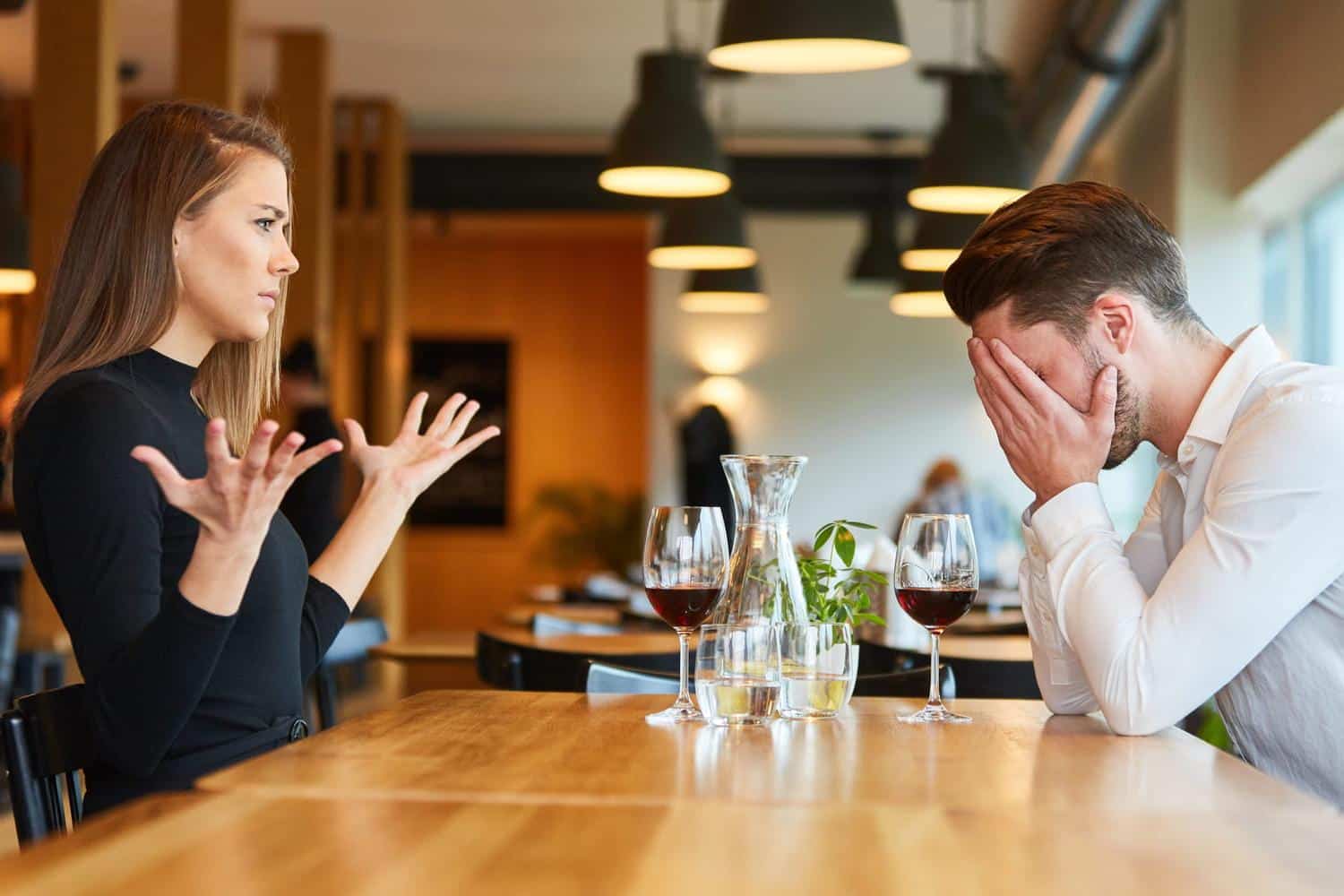
“You cannot stay in love your entire life,” asserts the neuropsychiatrist.
In a culture that idolizes love at first sight, butterflies in the stomach, and passionate outpourings, Boris Cyrulnik’s views offer a refreshing counterpoint. While the neuropsychiatrist doesn’t deny the initial rush of romantic feelings, he stresses that no emotion lasts forever. Simply put, love alone is not enough to sustain a relationship. It requires something more— a dynamic based on a daily woven connection, a bond that develops step by step.
Boris Cyrulnik has spent his lifetime observing human behavior. He has examined relationships from birth to understand how they impact the brain. His firm conclusion, shared on France Inter, is that “Love is an emotion. […] It doesn’t mean it fades away, but you cannot stay in love all your life, you can’t be in love all the time.” Falling in love, he explains, “is often about recognizing in another a familiar imprint, one that was formed very early in our memory.” He describes, “You fall in love, she is wonderful, I can’t live without her […] I have an astonishing feeling of familiarity with her.” This familiarity is connected to early marks in our brain. But if nothing connects them afterward, “it cannot last.”
So, what makes a relationship last if it’s not just romantic feelings? Here is where Cyrulnik introduces the concept of an “interactive structure.” Being in love isn’t enough; you also need to act together. To act together, you need to be “attached” to one another. This sense of attachment, according to the neuropsychiatrist, is fundamental to a relationship’s longevity. The challenge for couples is to “transform the romantic emotion into the weaving of a bond, and that is durable.” “If I am not attached, I am wandering. On the other hand, if I weave a bond of attachment day after day, it liberates me since feeling supported gives me confidence,” he explains in an interview with philosopher Fabrice Midal. “It’s the everyday life that allows this bond to be woven. To attach to someone, you need to see them, have them at breakfast every day, even under less than glamorous conditions, so as to build something together.”
To determine if you are attached to someone, it’s simple: “Attachment makes me feel good when she (the person, editor’s note) is there.” To foster attachment, Boris Cyrulnik recommends simple actions: having a coffee together, going to the movies, chatting, giving a book, a word, a glance. These actions strengthen the bond and create attachment. A collection of intentions that not only makes one feel confident and free but also ensures the transformation of love into a lasting relationship.
Similar Posts
- Life Expectancy of Couples Revealed: Few Surpass the Average!
- Top Worst Reasons to Stay in a Relationship: This One Tops the List!
- Celebrating 70 Years of Marriage: Discover Their Two-Word Secret to Longevity!
- Science Reveals: How Long Love Lasts Before a Relationship Solidifies!
- How to Stop Loving the Wrong Person: Essential Tips!

Nora Caldwell brings over a decade of experience in entertainment journalism to the Belles and Gals team. With a background in celebrity interviews and TV critiques, Avery ensures that every story we publish is engaging and accurate. Passionate about pop culture, they lead our editorial team with creativity and precision.