He thought he was rescuing a sheep—but it turned out to be something else
This bizarre French customer habit is driving shop owners crazy
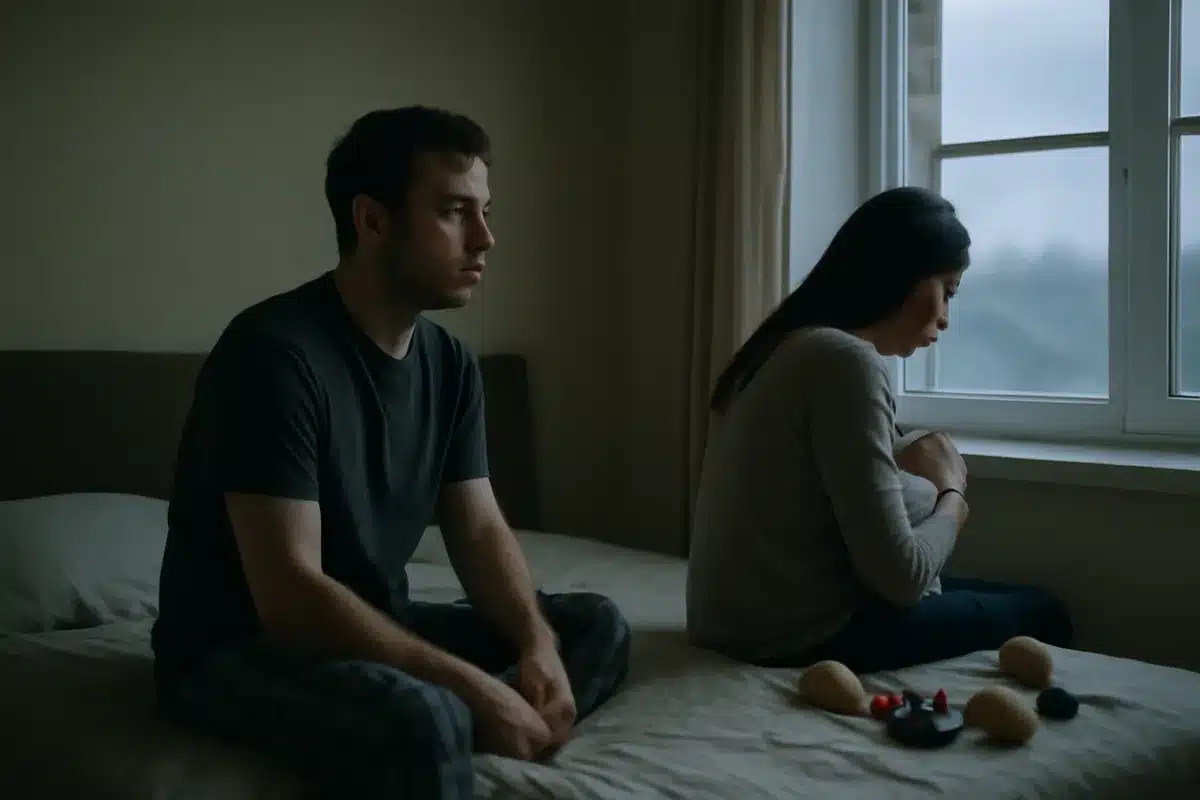
While some may not see it coming, others claim to have witnessed the demise of their relationship or marriage, and it often starts like this…
Breakups can catch us off guard. While some relationships dissolve after a long, gradual decline, others shatter following a sudden crisis. Just when everything seems fine, tensions emerge, disagreements deepen, and suddenly, one partner decides to end it all. “If only I had known, I could have fought to save our relationship,” is a common refrain. But is it really possible to foresee the end of a relationship? “It’s very hard to predict the beginnings of a breakup… but it’s much easier to spot the signs of a crisis,” explains Pauline Dewilde, a psychologist and couples therapist. It is often in this subtle distinction that the fate of a relationship plays out.
One telltale sign to be aware of is changes in routine. In a relationship, a crisis primarily signals a need for growth. “When someone starts going out more, investing more in their career, or taking up new activities, it often reflects a desire for change,” the therapist notes. These behaviors don’t necessarily spell an impending breakup; rather, they indicate an imbalance or a need to reinvent the relationship. However, if these signs are neither understood nor embraced by the partner, distance creeps in. “If one person fails to notice these changes, or isn’t concerned by them, the relationship may be heading towards a breakup,” she continues.
Another indicator of disengagement is screen time. “When people come home in the evening and eat dinner in front of the TV, or go to sleep with their phone in hand, it’s devastating for the relationship,” observes Pauline Dewilde. These seemingly innocuous habits can erode moments of connection. Time spent scrolling through screens is time stolen from intimacy, conversation, and closeness. “When each person lives their own life, without coming together or discussing their shared experiences, the relationship gradually fades.” A diminishing communication in the relationship should thus raise alarms.
Similarly, poor communication is a sign of peril for a relationship. When dialogue stalls, or when conversations only serve to hurt, it typically indicates that the couple is no longer connecting emotionally. Disagreements become destructive, exchanges turn into accusations, listening fades, and the dialogue crumbles. “Effective communication isn’t just about words, but about understanding each other’s core needs,” she adds. Moreover, silences hold their weight in a relationship, and “knowing when to be silent” is crucial to avoid saying things we might regret.
But the most alarming sign is when one partner completely fades into the background to blend into the other. The psychologist is clear: “Breakup becomes almost inevitable.” “A person who always agrees, who forgets themselves for the sake of the other, eventually loses their identity. It’s a sign of deep imbalance,” stresses Pauline Dewilde. In such relationships, there is an emotional imbalance; one person ends up carrying the relationship while the other struggles to exist through them. Over time, this merger leads to suffocation and frustration. “A relationship is about two individuals moving forward side by side, not merging into one,” the therapist reminds us. “As soon as one forgets themselves, the bond inevitably weakens.”
Despite these signs, the psychologist explains that some relationships can still be saved “if there is no violence or toxicity” and provided that vulnerability is shown. “It is in our vulnerability that we give the most of ourselves,” reminds Pauline Dewilde. Embracing and sharing vulnerability can turn a crisis into a stepping stone. Couples who refuse to face their wounds, who react impulsively, or who avoid pain are likely to fail the test. However, those who seek help and are willing to question themselves can emerge stronger. A crisis well navigated can become the starting point for a more aware and solid romantic relationship.
Thank you to Pauline Dewilde, psychologist and therapist specializing in couples therapy.
Similar Posts
- Is Your Relationship One-Sided? These Signs Prove It!
- 4 Clear Signs He’s Never Coming Back – Spot Them Now!
- How to Smoothly Leave Your Husband? Essential Tips Revealed!
- When is a Relationship Beyond Saving? Find Out Now!
- Warning Signs: How to Tell If Someone is Using You, Not Valuing You Properly!

Nora Caldwell brings over a decade of experience in entertainment journalism to the Belles and Gals team. With a background in celebrity interviews and TV critiques, Avery ensures that every story we publish is engaging and accurate. Passionate about pop culture, they lead our editorial team with creativity and precision.