He thought he was rescuing a sheep—but it turned out to be something else
This bizarre French customer habit is driving shop owners crazy
A significant caution often overlooked: experts warn that using silicone molds in this manner could be harmful!
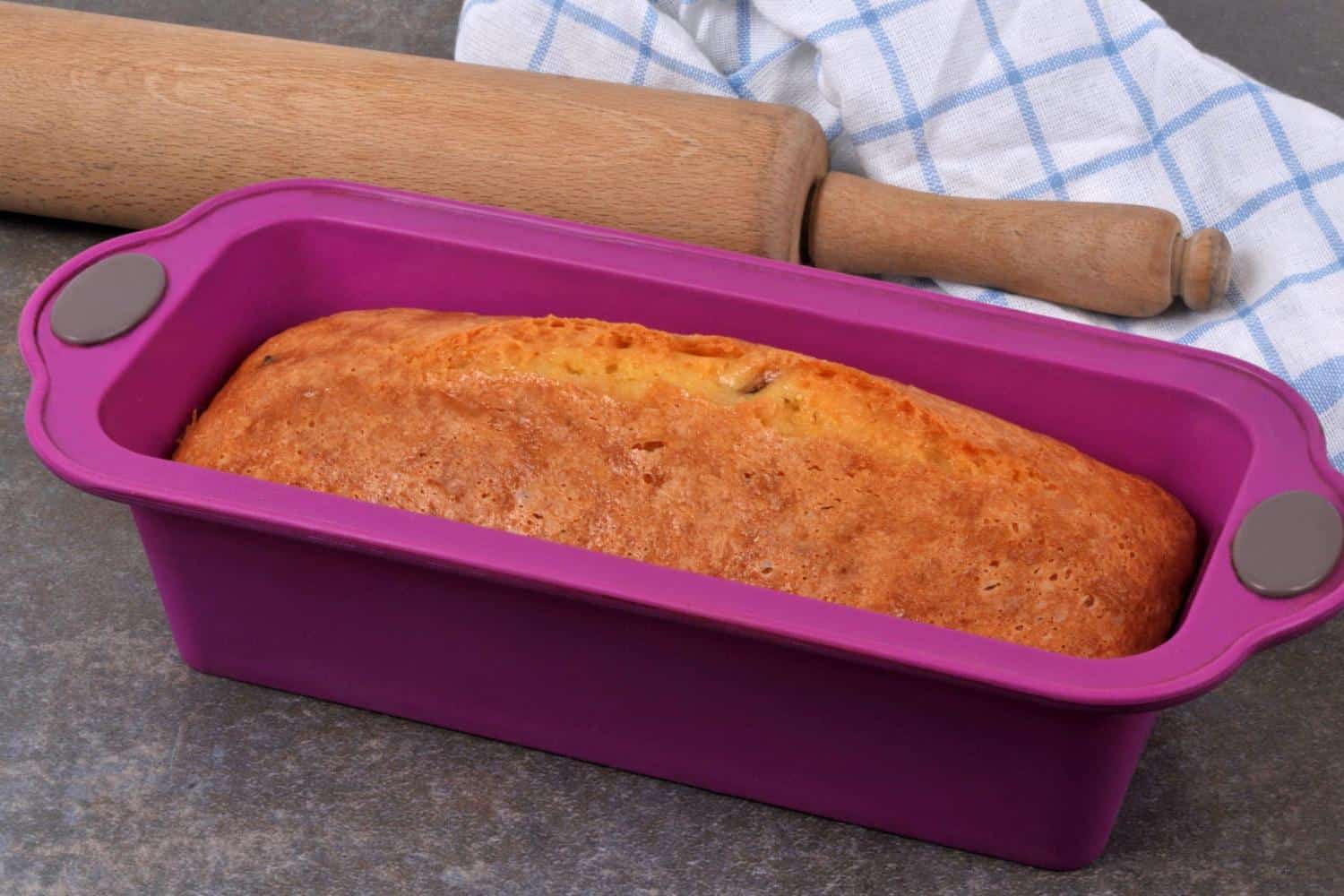
Silicone has gradually become a staple in our kitchens, widely replacing the older, bulkier metal and glass baking molds. Unlike its predecessors, silicone doesn’t stick, which significantly eases both the unmolding and cleaning processes. However, to keep silicone molds in good condition, there are certain guidelines to follow. For instance, it is well known that one should never use knives or sharp utensils on silicone as it can scratch and damage the mold. But according to experts from 60 Millions de Consommateurs, there’s another important precaution that often goes unnoticed…
In their May issue, the specialists at 60 Millions de Consommateurs examined silicone’s properties. While designed for food use, it’s strongly advised against allowing it to contact certain foods. These foods could promote the leaching of potential chemical substances into our meals, the experts caution. They refer to a common practice with cake molds in general… Typically, before adding batter to a mold, it is greased with butter or oil to ease the release. This step is unnecessary with silicone since it is specifically designed to prevent food from sticking. However, sometimes we do it out of habit. This action is not without consequences: “At high temperatures, the presence of oil facilitates the migration of chemical substances from the mold,” they explain. Even if you’ve only made this mistake a few times, it could be problematic. Why? Silicone retains oils, the experts inform us. Therefore, the mold can accumulate these oils and reintroduce them into food during subsequent cooking. The takeaway here is to skip the oil, butter, and also avoid contact with generally fatty foods, the experts add. Keep this in mind the next time you’re cooking fatty meats or fish in your air fryer’s silicone tray!
In summary, silicone is a real asset in the kitchen, provided a few simple rules are followed. There’s no need to grease it: it’s engineered to ensure perfect unmolding without any added fats. By avoiding oil, butter, and overly fatty foods, you not only preserve your dishes but also the durability of your molds. This is a straightforward way to cook healthier, safer, and still deliciously.
Similar Posts
- Consumer Reports Picks This Store Brand Rice Over Ben’s and Taureau Ailé!
- Top-Rated Olive Oil with Best Value According to “60 Million Consumers” – Italy’s #1 Choice!
- Cooking Enthusiasts’ New Bizarre Obsession: “I Got One, Then Two, Then Three…”
- Loud Air Fryers Alert: Top Models to Avoid, According to Consumer Reports!
- Even Moldy, These Cheeses Are Safe to Eat—Under One Condition!

Felix Marlowe manages Belles and Gals’ vibrant social media platforms. With expertise in social engagement and viral marketing, Felix creates content that sparks conversation and keeps followers coming back for more. From celebrity news to trending challenges, Felix makes sure our social media stays at the forefront of pop culture.