He thought he was rescuing a sheep—but it turned out to be something else
This bizarre French customer habit is driving shop owners crazy
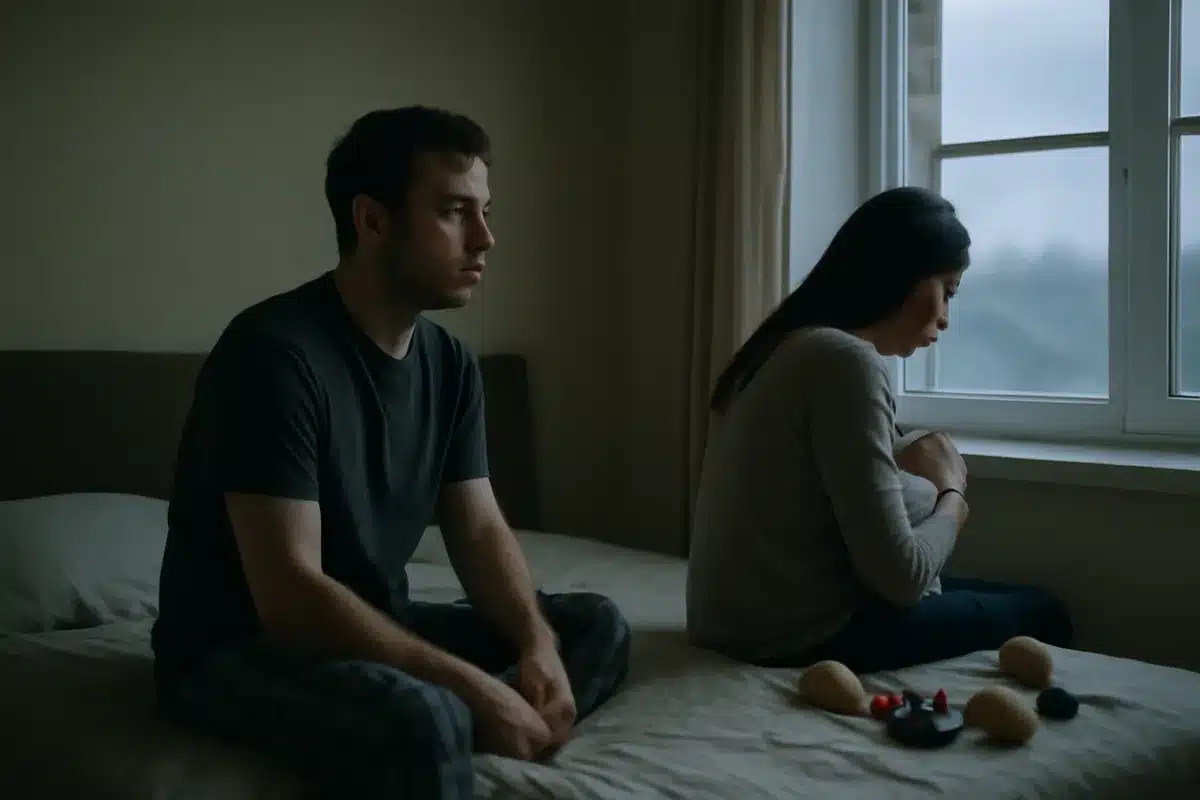
Vacations aren’t always a synonym for relaxation. For many couples, they instead bring to the surface tensions that daily routines had kept at bay. Why do these long-awaited breaks turn into trials for some? Clinical psychologist Maïté Tranzer sheds light on this issue.
Finally, vacation time arrives, a period eagerly anticipated by couples and families alike, yet it often tests many relationships. What should be a relaxing, bonding experience can quickly turn into a nightmare filled with ongoing spousal arguments. Clinical psychologist Maïté Tranzer, who we spoke with, isn’t surprised by this. “It primarily boils down to expectations,” she notes. “On vacation, usual routines are disrupted, we idealize these shared moments, and thus frustrations can surface.” A shift in daily rhythm, breaking from normal habits, and spending continuous time together can also bring previously unnoticed disagreements to light.
Couples Aren’t Used to Spending So Much Time Together
For some couples, arguments arise because their vacation needs differ. This can happen if one person is active and the other prefers lounging by the pool. Such differing desires can lead to frustrations and arguments. For others, tensions may occur because they are not used to spending so much continuous time together. “You’ll need to show empathy and accept that there are differences and that desires may not always align,” advises the psychologist.
The mental load can also weigh heavily on vacations. “If one partner has taken on the responsibility of planning the holiday, there might be some resentment or expectations for the vacation to be truly restful,” the expert points out. Booking accommodations, planning activities, preparing luggage, and managing family logistics are often an invisible burden that can heighten frustrations when the effort is not shared.
Finding Compromises and Embracing the Unexpected
As with any conflict, whether daily or during a vacation, effective non-violent communication can help ease tensions. “If discussions aren’t constructive, they can drive a wedge between partners and lead to returning from vacation upset, with the frustration of not having rested or reconnected,” emphasizes the psychologist. It might be beneficial to discuss vacation expectations in advance, as well as to leave room for spontaneity and personal time, to prevent tensions from arising while away. However, not all is lost. “If the issues stem from differing needs, a compromise can be found. Vacations can foster positive exchanges, and some disputes might even be constructive,” Tranzer concludes.
Similar Posts
- Therapists Reveal: The Two Most Stressful Times of Year for Couples!
- 5 Clear Signs Your Relationship is Draining You Emotionally
- How Often Happy Couples Really Argue: Stats Shatter Common Myths!
- Should Couples Split Bills 50/50 Even with Different Incomes? Find Out!
- Set Boundaries Early in Relationships or “They’ll Think Everything’s Granted”

Nora Caldwell brings over a decade of experience in entertainment journalism to the Belles and Gals team. With a background in celebrity interviews and TV critiques, Avery ensures that every story we publish is engaging and accurate. Passionate about pop culture, they lead our editorial team with creativity and precision.