He thought he was rescuing a sheep—but it turned out to be something else
This bizarre French customer habit is driving shop owners crazy
Falling in love with someone isn’t about their “perfection” on paper, but rather because they resonate with something deep within us.
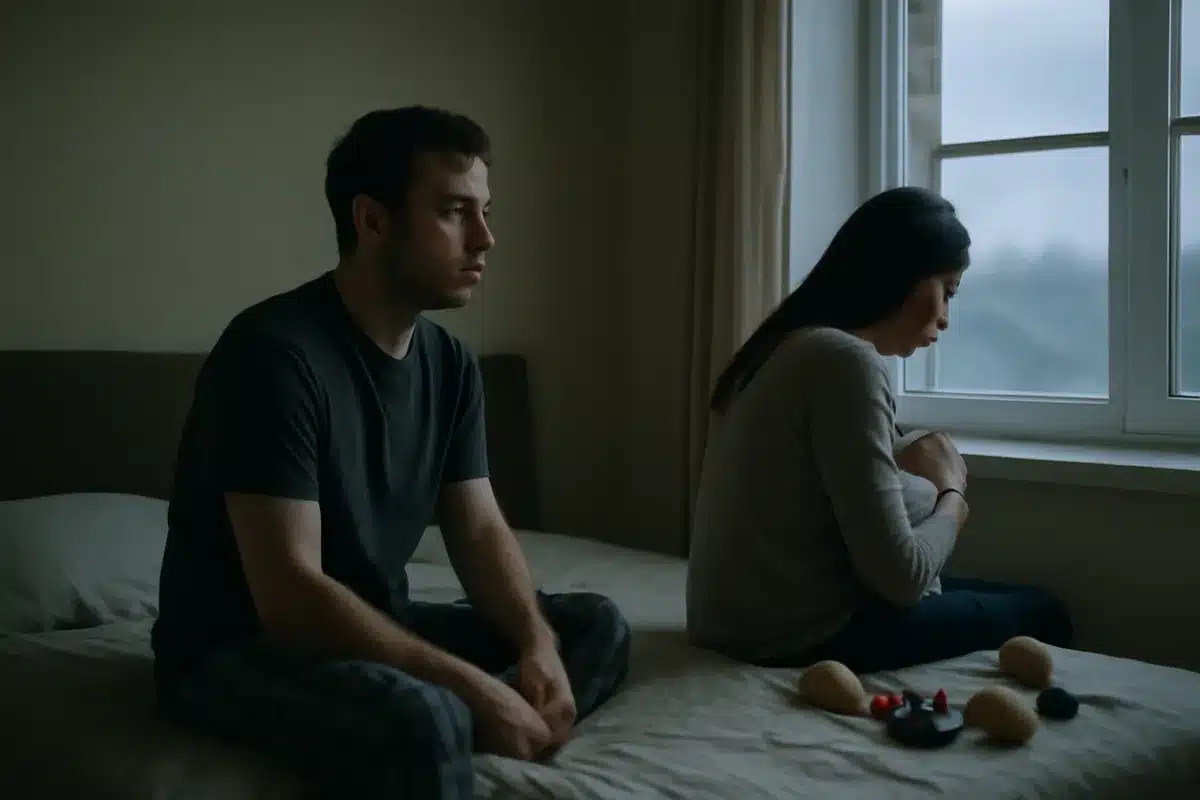
The pattern is familiar: you meet someone new, and they strangely remind you of your previous partner. The same charm, the same aloofness, the same struggle to say “I love you”… Is it just a coincidence? This tendency, dubbed “groundhogging,” references the romantic comedy “Groundhog Day” where Bill Murray plays a weatherman stuck reliving the same day over and over until he alters his ways and falls in love with a coworker. Falling for the same type of person isn’t just a trivial similarity but a revealing habit that can teach us a lot about ourselves.
It’s no accident. Subconsciously, we seek to fill or explore parts of ourselves. “The other person becomes a mirror: through them, we address our wounds, often rooted in childhood,” explains Rosalie Bisogno, a relationship coach. Love thus becomes a way to highlight our sensitive areas, a catalyst for growth. “The heart returns to what it knows, not to repeat but to delve deeper and, sometimes, to transform,” she adds. A person with low self-esteem might unwittingly be drawn to narcissistic or manipulative partners. Not because they enjoy suffering, but because these relationships painfully affirm an internal belief: that they are not “enough.”
We don’t fall in love with someone because they are “perfect” on paper, but because they stir something profound within us. “Love is beyond our control. It arises when someone else awakens a buried emotion, a deficiency, or an emotional memory,” the coach points out. Thus, it is not our rational reasoning that steers our choices, but our subconscious—and this is where patterns of love take root. These patterns can be inherited from our childhood, our environment, or our family. Emotional dynamics that replay over and over, in love and other areas of our lives, without us truly recognizing them. What can be revealing is when we “feel the same pains, always attract the same type of partner (unavailable, dominant, elusive…), or always replay the same role (savior, dependent, invisible…).” Moreover, if the stories are similar although the people change, it might be a good indicator of an “emotional déjà vu.”
Sometimes it’s without impact—if you’re drawn to people passionate about cinema, for example. However, when these similarities translate into deep patterns, it can lead to the repetition of relationships that don’t work long-term. Rosalie adds, “What can become problematic, however, is when this ‘type’ corresponds to manipulative, toxic, or emotionally unavailable profiles,” the expert continues. To break free, one must first become aware and “understand that we are unconsciously replaying repetitive love patterns is an act of insight and bravery,” the coach details. It’s also crucial to explore what within us consistently attracts these types of relationships. Working on self-esteem, identifying our needs, setting boundaries. And sometimes, seeking support—from a coach or therapist. “Changing types isn’t about forcing your heart to love differently. It’s about learning to know oneself deeply, respecting oneself more, and opening up to people who resonate with this new version of oneself,” she concludes.
Similar Posts
- Always Falling for the Same Type? This Childhood Wound Could Be Why!
- 7 Signs You’re in a Placebo Relationship That Drains Rather Than Fulfills
- When Love is Unequal: The Major Relationship Red Flag You Can’t Ignore
- 5 Surprising Feelings Only Truly In Love People Experience, Psychologists Reveal
- Why Couples Start to Look Alike: The Surprising Science Explained!

Nora Caldwell brings over a decade of experience in entertainment journalism to the Belles and Gals team. With a background in celebrity interviews and TV critiques, Avery ensures that every story we publish is engaging and accurate. Passionate about pop culture, they lead our editorial team with creativity and precision.