He thought he was rescuing a sheep—but it turned out to be something else
This bizarre French customer habit is driving shop owners crazy
Forget the stereotypes about aloof or overly demanding individuals. If some people stay single longer, there’s a perfectly measurable reason…
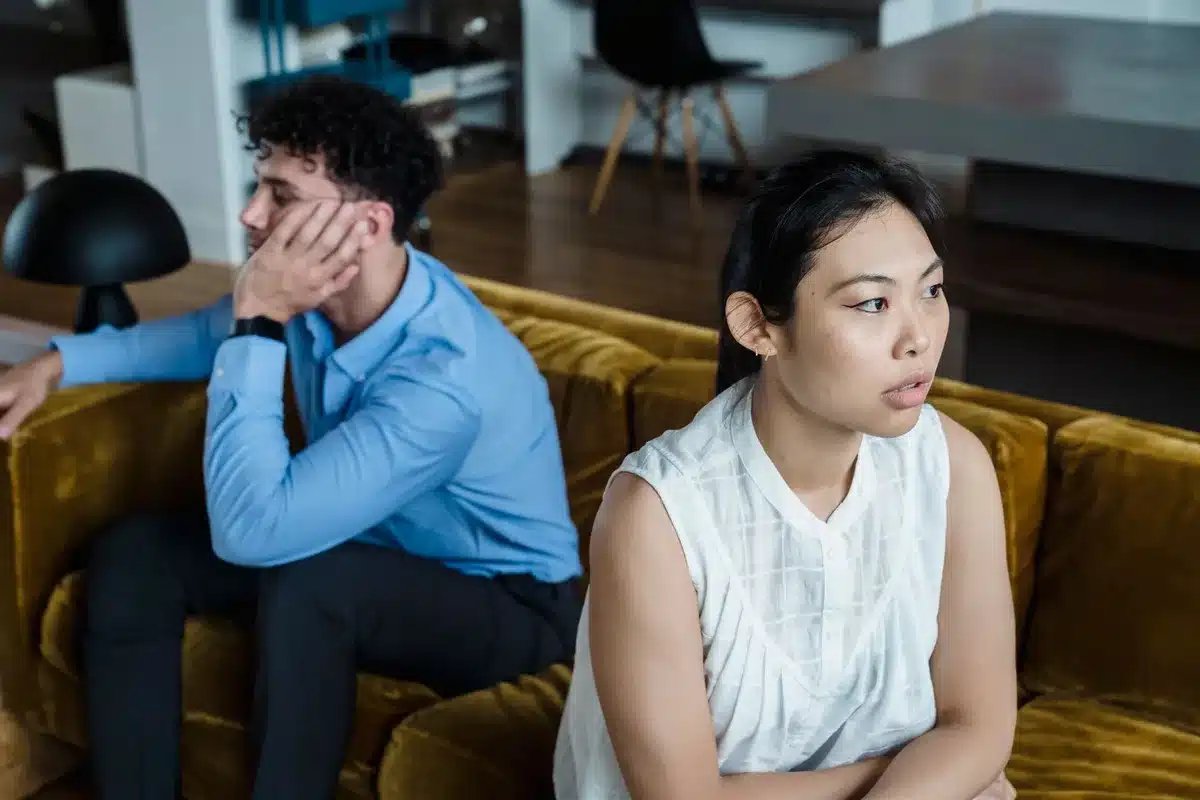
We’re all familiar with the “right person, right time” romance trope. However, in real life, the landscape of love is less like a romantic comedy and more like a mystery investigation. A long-term study has recently thrown a wrench into common misconceptions: individuals who are more intelligent and highly educated tend to stay single for longer periods. Researchers tracked the transition from adolescence to adulthood of over 17,000 individuals in the UK and Germany, finding conclusively that the most intelligent and educated participants spent more time alone, without romantic relationships. Why? The explanation is quite straightforward.
“Our findings indicate that sociodemographic factors, such as education level, and psychological characteristics, like current well-being, help predict who will enter into a romantic relationship and who will not,” commented Michael Krämer, a lead co-author of the study. In essence, being single isn’t just a matter of chance or bad luck but also a result shaped by various individual variables. More thoughtful individuals tend to seek coherence, stability, and alignment early on, which leads them to filter potential partners more rigorously and more frequently.
The somewhat bitter irony is that the qualities that aid in academic and professional success have the same effect when it comes to love: they lead to prolonged contemplation, which isn’t conducive to romantic encounters. The more one thinks, the more one searches for the ideal partner, and the more likely one is to miss out on potential matches. Thus, it is the propensity for overthinking among intelligent people that contributes to their longer periods of being single. Another factor intensifies this situation…
Social life. Beyond education, this has a significant impact on singleness. According to the study data, more educated young men who lived alone or with their parents experienced much longer periods of being single compared to those who lived with friends. This detail suggests that meeting potential partners also heavily depends on one’s social environment, the ease of encountering people, and the lifestyle one leads outside of dating apps. These observations are not meant to stigmatize singles or individuals of varying education levels. Today, singleness has become a lifestyle, sometimes by choice, sometimes by circumstance.
Moreover, the study prompts reflection on the idea that love isn’t initially rational and shouldn’t be. Entering a romantic relationship usually starts with following an instinct, a feeling, without overthinking. As we progress in our encounters, we refine our choices. This is how we experience different stories with different people, which helps us to better understand ourselves. So, perhaps we shouldn’t overthink, right?
Similar Posts
- 20-Year Study Reveals the Ultimate Sign That Couples Are Meant to Last
- Couples Thrilled by New Trend Ending Infidelity, Especially Women!
- Why Couples Start to Look Alike: The Surprising Science Explained!
- How Long Should a Relationship Break Last? Uncover the Ideal Duration
- How to Find Love? Secrets to Successful Dating Revealed!

Nora Caldwell brings over a decade of experience in entertainment journalism to the Belles and Gals team. With a background in celebrity interviews and TV critiques, Avery ensures that every story we publish is engaging and accurate. Passionate about pop culture, they lead our editorial team with creativity and precision.