NASA issues chilling warning: life on Earth won’t be possible after this date
This bizarre French customer habit is driving shop owners crazy
Spending all your time together can turn into a genuine issue for couples as the years go by…
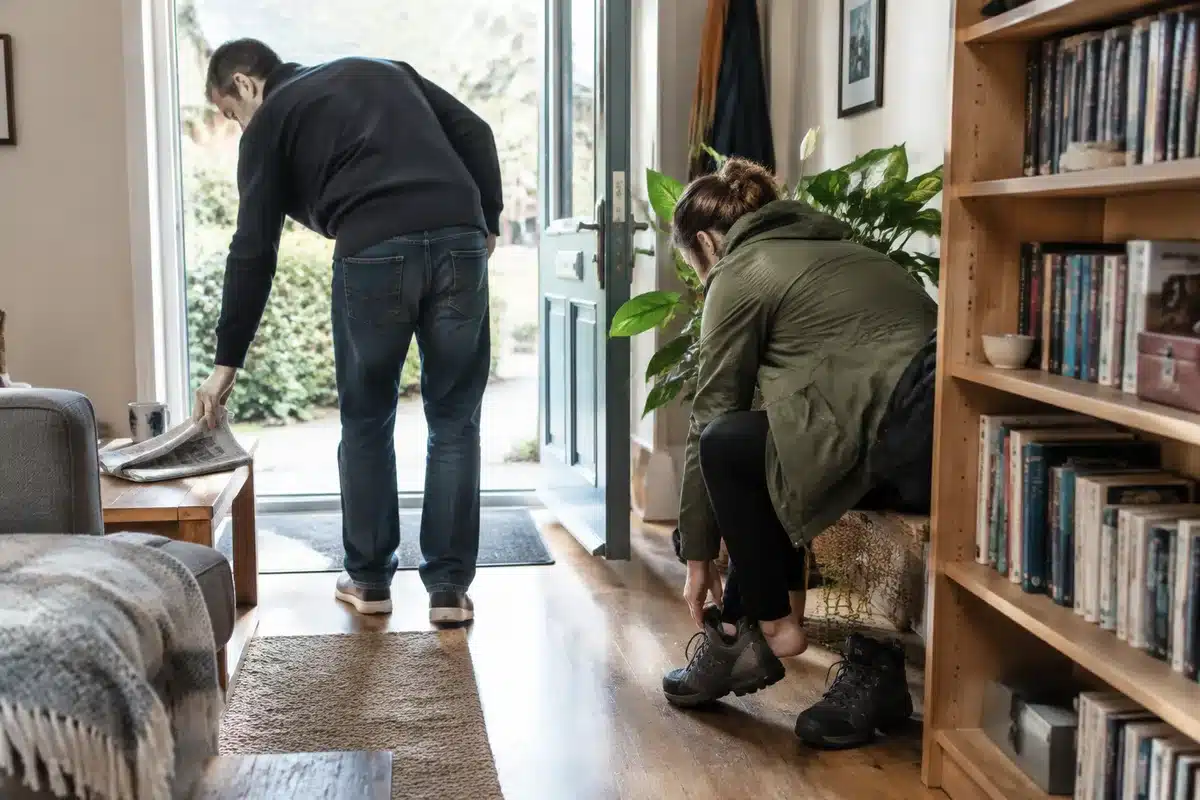
After decades of juggling work, children and everyday responsibilities, many people find themselves finally freed up when retirement arrives. It’s natural to see this phase as a chance to enjoy more time with your partner. But once the initial weeks of togetherness pass, some couples discover that reality doesn’t match the romantic vision. Small habits that used to be endearing become irritating, conversations dwindle, and even routine errands like grocery shopping turn into two-person rituals. That’s not exactly the idyllic picture many imagined.
That shift isn’t necessarily a sign that love has faded. As Jacqueline Olds, a psychiatrist at Harvard, tells the Harvard Gazette, when partners spend a lot of time together they may find they “want to spend a little more time apart.” But, she adds, “that doesn’t mean they’re no longer in love.” Richard Schwartz, another psychiatrist at Harvard, goes further: “Too much time together and you can start to feel smothered, a bit claustrophobic.” He explains that constant proximity can erode the curiosity about your partner that’s crucial for keeping a marriage lively.
One strategy getting attention is the “double space” rule, highlighted by outlets like Grazia.it. The premise is simple: each person keeps a small personal zone at home and tries to spend at least two hours a day apart. One partner might go for a walk, meet friends or work on a hobby while the other reads, gardens or pursues their own interests. There’s no need to move across town — the point is simply to reclaim individual activities without always having your spouse within arm’s reach.

And pulling back a bit doesn’t have to mean sleeping in separate rooms or distancing yourself from the relationship. As Richard Schwartz warns, “too much separation and people tend to drift, becoming less available to one another.” Finding the right balance, he says, “varies a great deal from couple to couple,” and there’s an added complication: “what works for one person might not work for the other.” In short, don’t force two hours of alone time on a partner who doesn’t want it — talk it over and agree on a rhythm that suits both of you.
Similar Posts
- Study Reveals Bedtime Ritual That Makes Couples Happier
- How to Find Love? Secrets to Successful Dating Revealed!
- Top 3 Phrases Long-Term Couples Say Most Often!
- How Much Time Should You Spend with Your Dog to Keep Them Happy?
- Warning Signs: How to Tell If Someone is Using You, Not Valuing You Properly!

Nora Caldwell brings over a decade of experience in entertainment journalism to the Belles and Gals team. With a background in celebrity interviews and TV critiques, Avery ensures that every story we publish is engaging and accurate. Passionate about pop culture, they lead our editorial team with creativity and precision.